 by
by If you are looking for overthinking therapy, the most evidence-backed starting point is usually cognitive behavioral therapy, or CBT, especially when overthinking looks like worry, catastrophizing, rumination, and anxious mental loops. ACT can be a strong fit when you keep fighting thoughts and need help tolerating uncertainty, mindfulness-based approaches can help rumination, and ERP becomes especially important if your “overthinking” is actually OCD with obsessions and compulsions.
That is the clearest answer. Therapy for overthinking works best when it does not just teach you to “think positive,” but instead helps you catch the pattern earlier, understand what keeps it going, and build a different response.
Best Books for Overthinking: Comparison Table
Feature | ||||||||
|---|---|---|---|---|---|---|---|---|
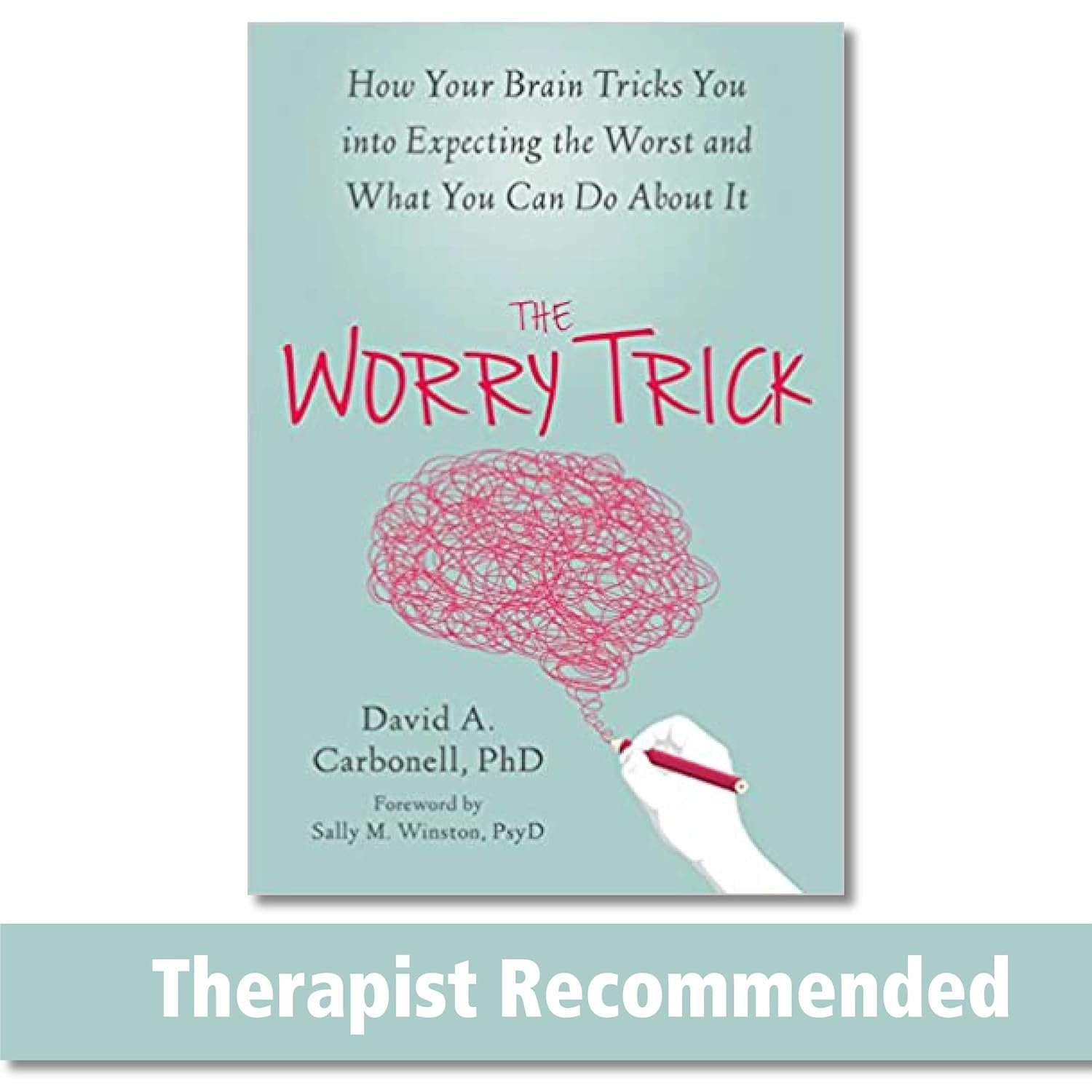 | 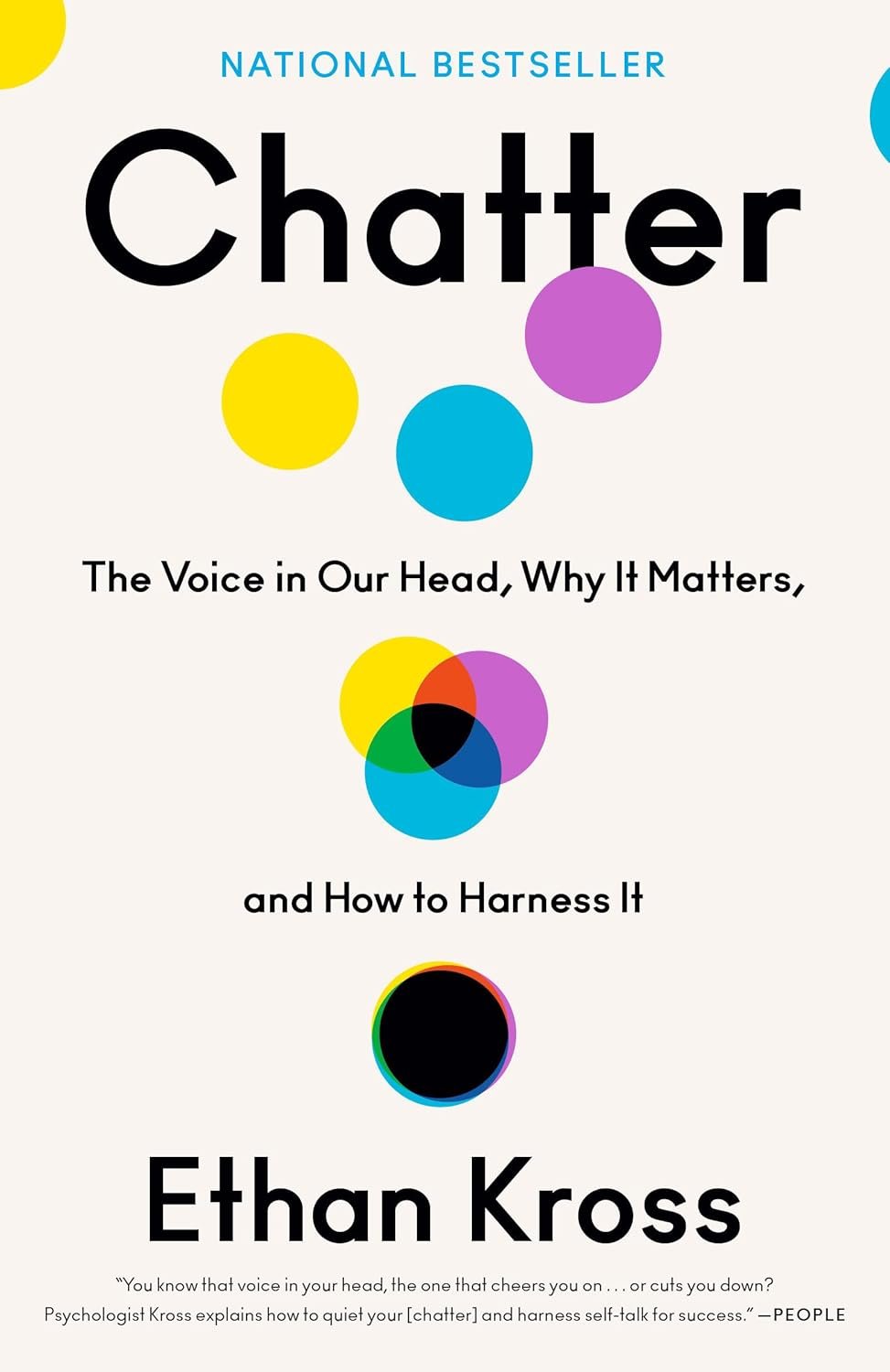 |  |  |  |  | 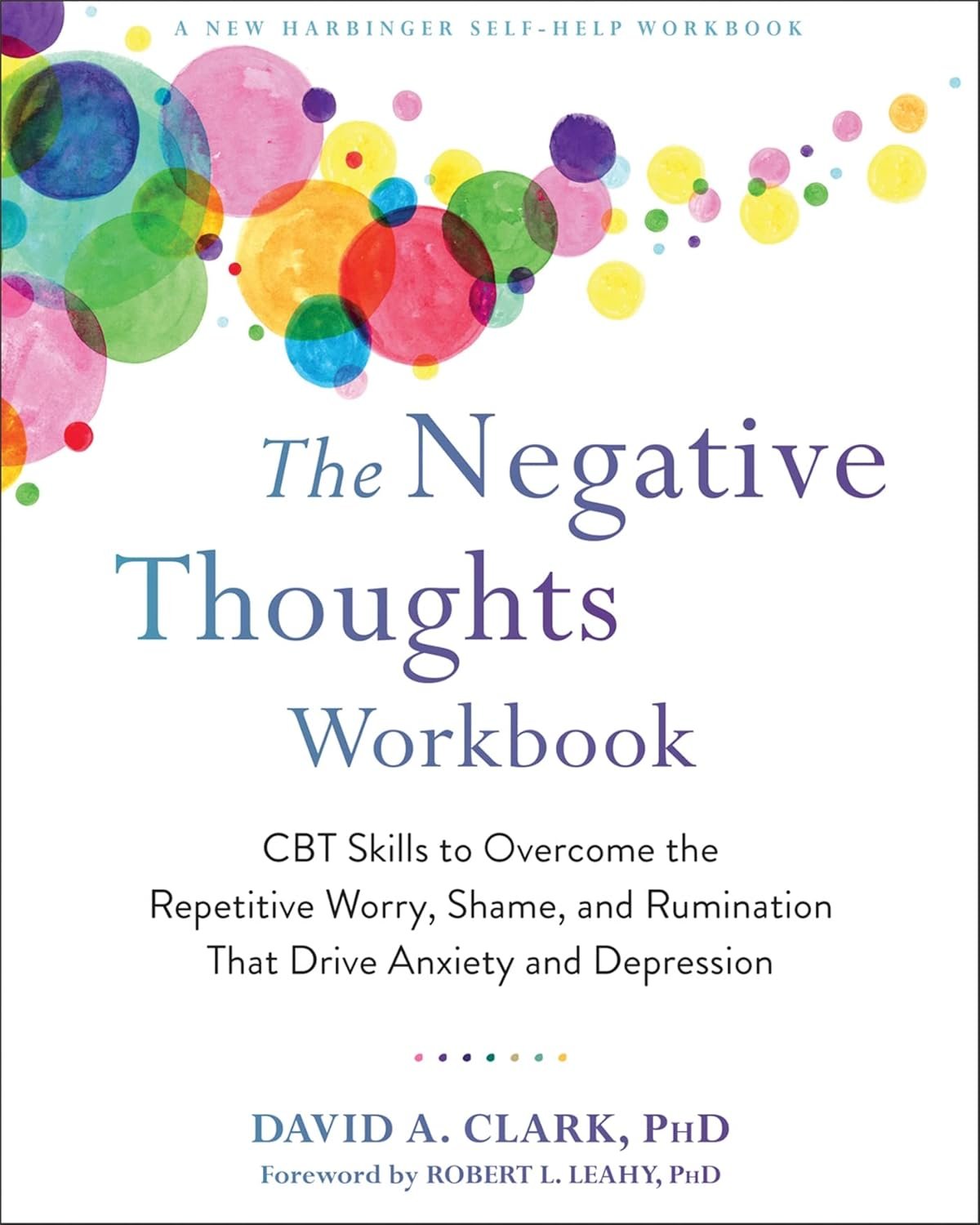 | 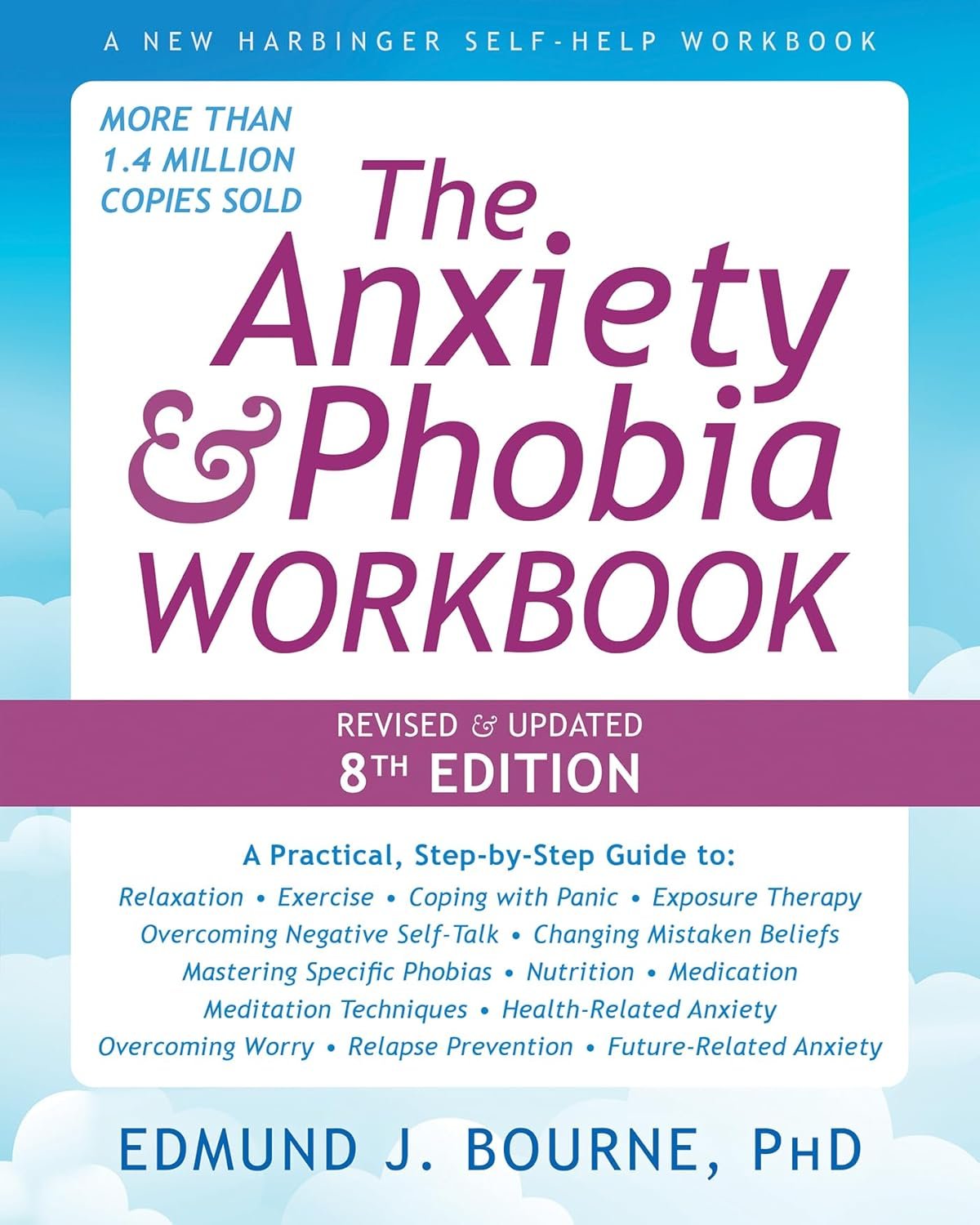 | |
Author | David A. Carbonell, PhD | Ethan Kross, PhD | Gwendoline Smith | Ben Eckstein, PhD | Stefan G. Hofmann, PhD | Meredith Arthur | David A. Clark, PhD | Edmund J. Bourne, PhD |
Best for | Chronic worry and worst-case thinking | Mental chatter and self-talk spirals | General overthinking in daily life | Rumination plus uncertainty | Structured CBT practice | Gentle support for anxious overthinkers | Repetitive negative thoughts | Deep, comprehensive anxiety work |
Style | Practical therapist-led guide | Research-driven popular psychology | Very on-topic, accessible self-help | Newer evidence-based guide | Workbook | Illustrated, relatable guide | Workbook | Large, classic workbook |
Best if you want | To understand why worry hooks you | Science-backed tools for inner voice | A book that speaks directly to overthinking | A newer anti-worry framework | Exercises, not just insight | Something warm and non-intimidating | A focused rumination workbook | The most comprehensive toolkit |
Most useful mood | “My brain always expects the worst” | “My inner voice won’t shut up” | “I overthink everything” | “I keep looping and can’t drop it” | “I want homework and skill drills” | “I need help without dense jargon” | “I keep replaying negative thoughts” | “I want one big reference book” |
Price |  | | | | | | | |
Why this matters
People usually do not search this keyword because they are mildly curious. They search it because their mind keeps replaying conversations, scanning for mistakes, predicting worst-case outcomes, or refusing to let them rest, and self-help alone is no longer cutting it.
That matters because overthinking is not always just a bad habit. Rumination and worry are well-known treatment targets because they are linked to the onset, severity, maintenance, and relapse risk of anxiety and depression, and can also interfere with concentration and problem-solving.
What overthinking therapy actually treats
A good therapist is usually not trying to eliminate every unwanted thought you ever have. The real target is the loop: the repeated reviewing, rehearsing, checking, and mental arguing that keeps your nervous system activated and your life feeling smaller.
That is why therapy often focuses on patterns like repetitive negative thinking, cognitive distortions, reassurance-seeking, avoidance, perfectionism, and intolerance of uncertainty. NHS self-help CBT guidance frames this as learning to catch, check, and change unhelpful thoughts, while APA’s rumination guidance describes newer approaches that treat rumination as a mental habit rather than just a thought-content problem.
Recommended Books for Overthinking
- If your mind always goes to worst-case scenarios, start with The Worry Trick.
- If your issue is nonstop inner narration, start with Chatter.
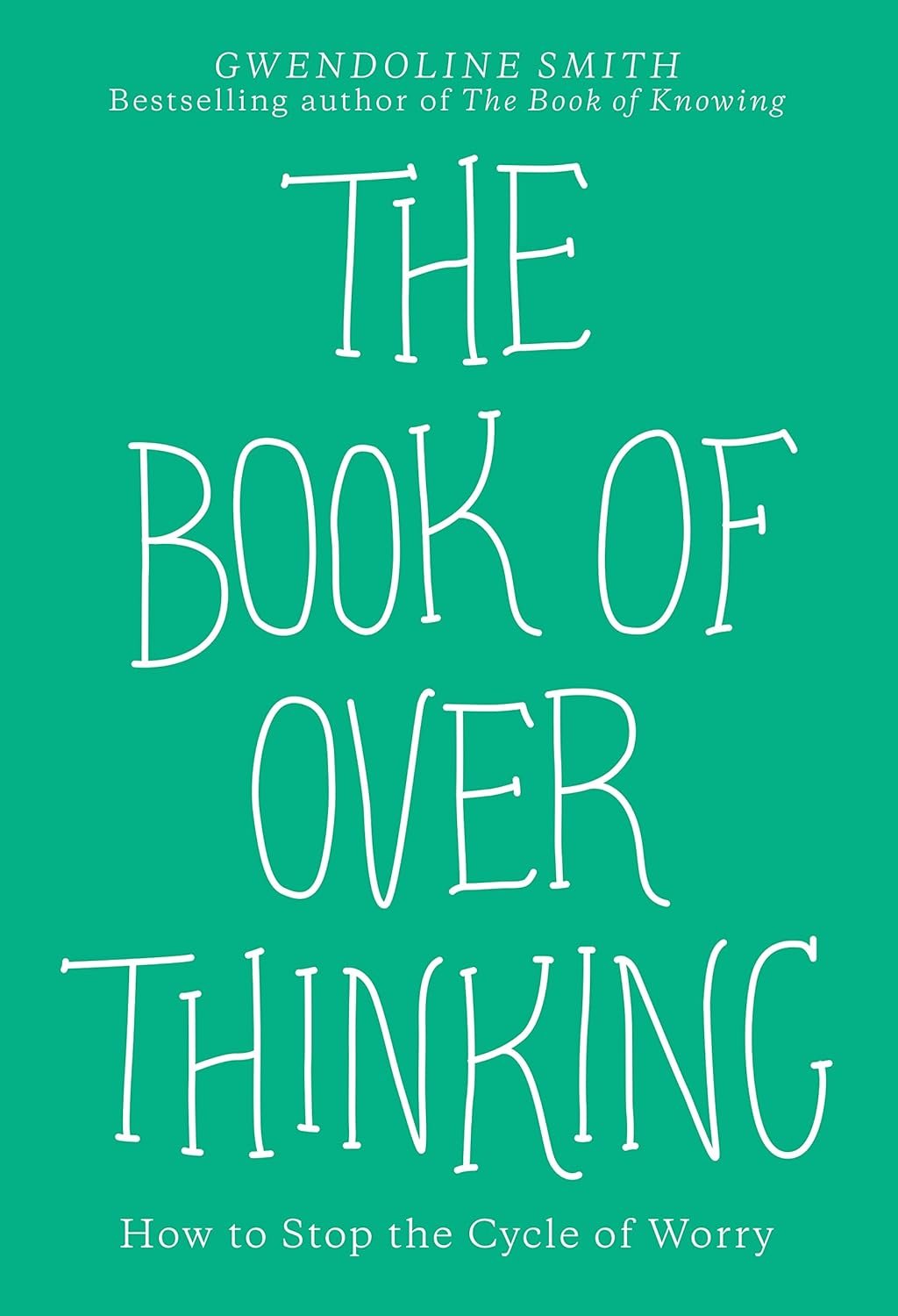
- If you want the book that speaks most directly to overthinking, start with The Book of Overthinking.
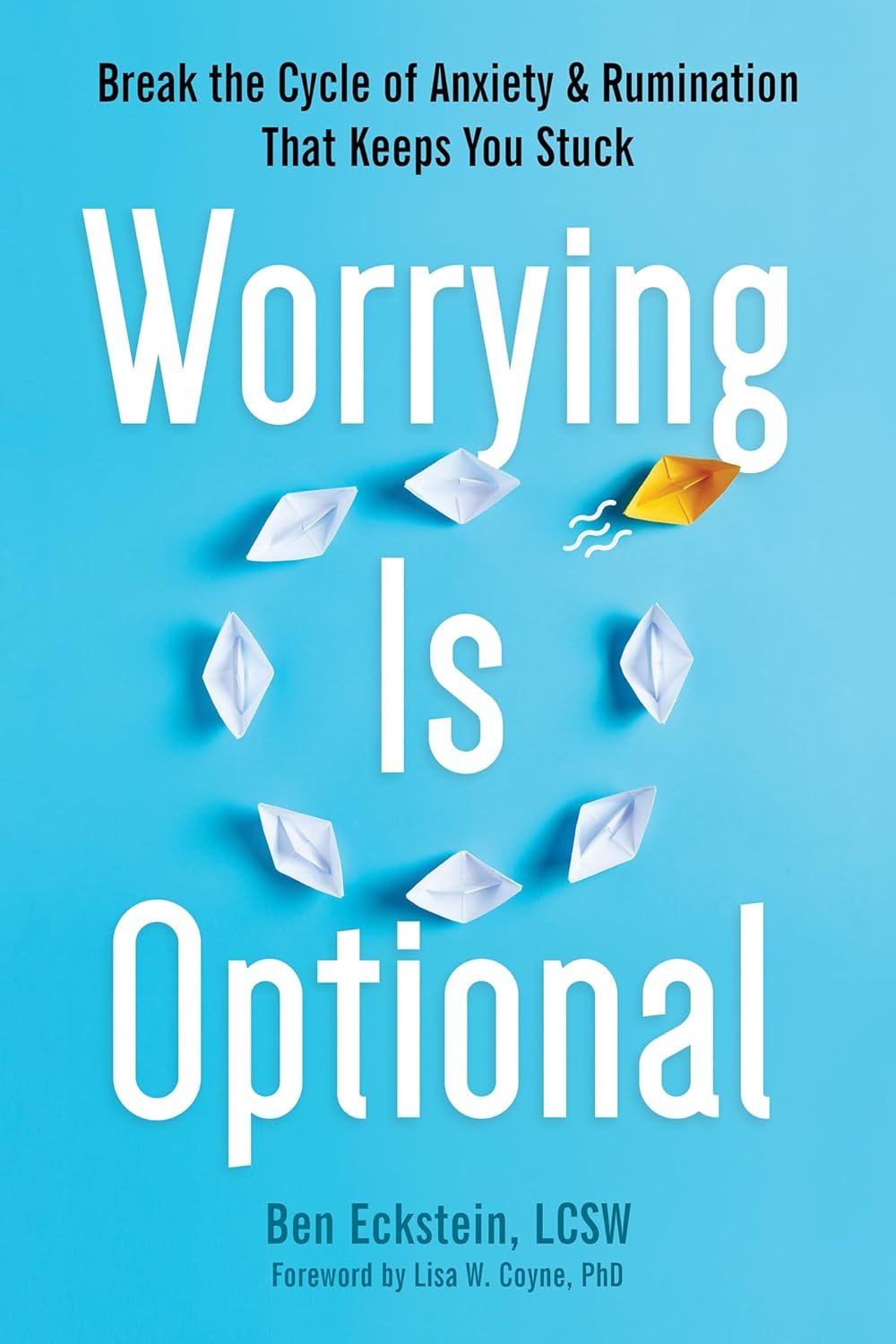
- If you want a newer anti-rumination framework, start with Worrying Is Optional.
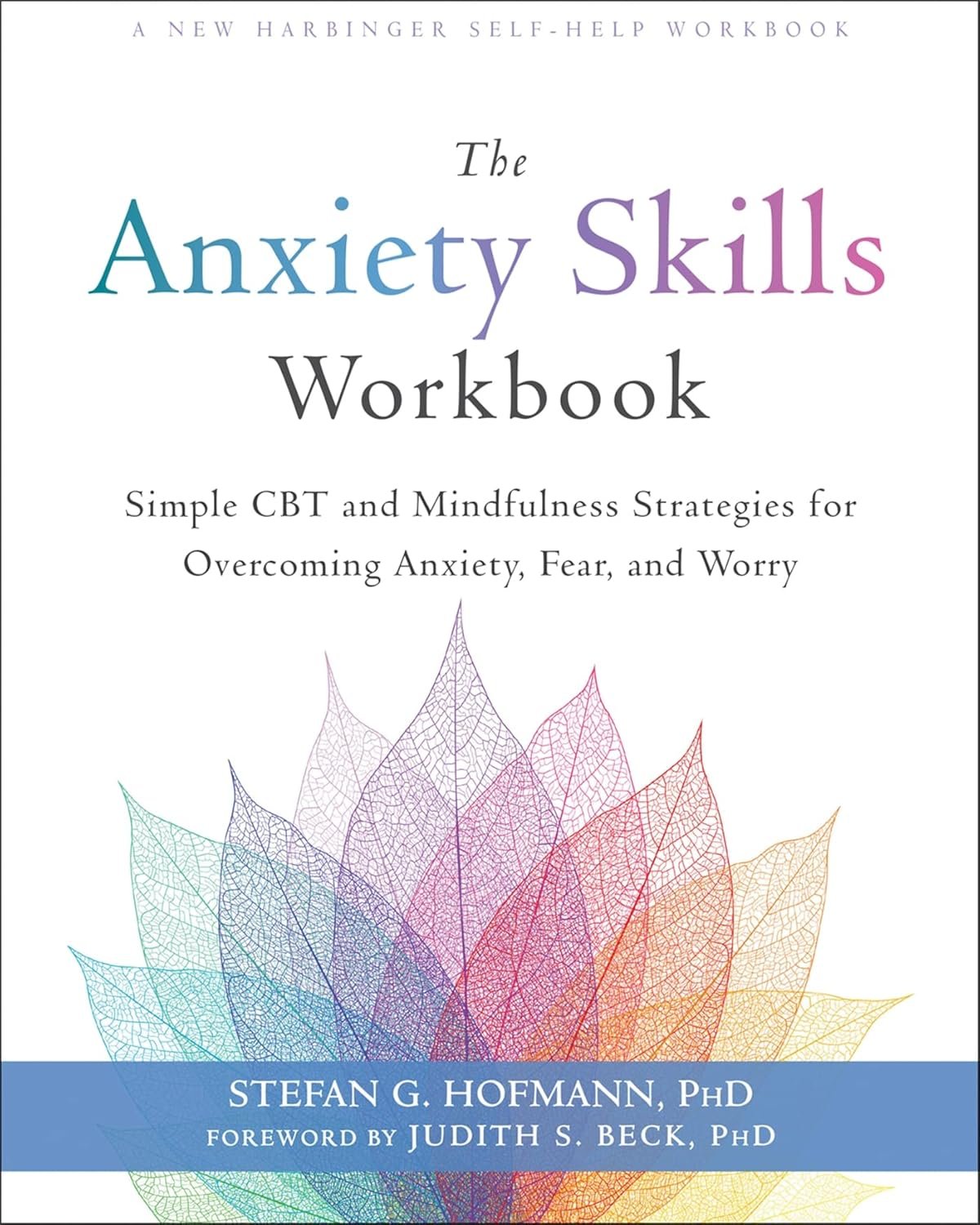
- If you want exercises and structured practice, start with The Anxiety Skills Workbook or The Negative Thoughts Workbook.
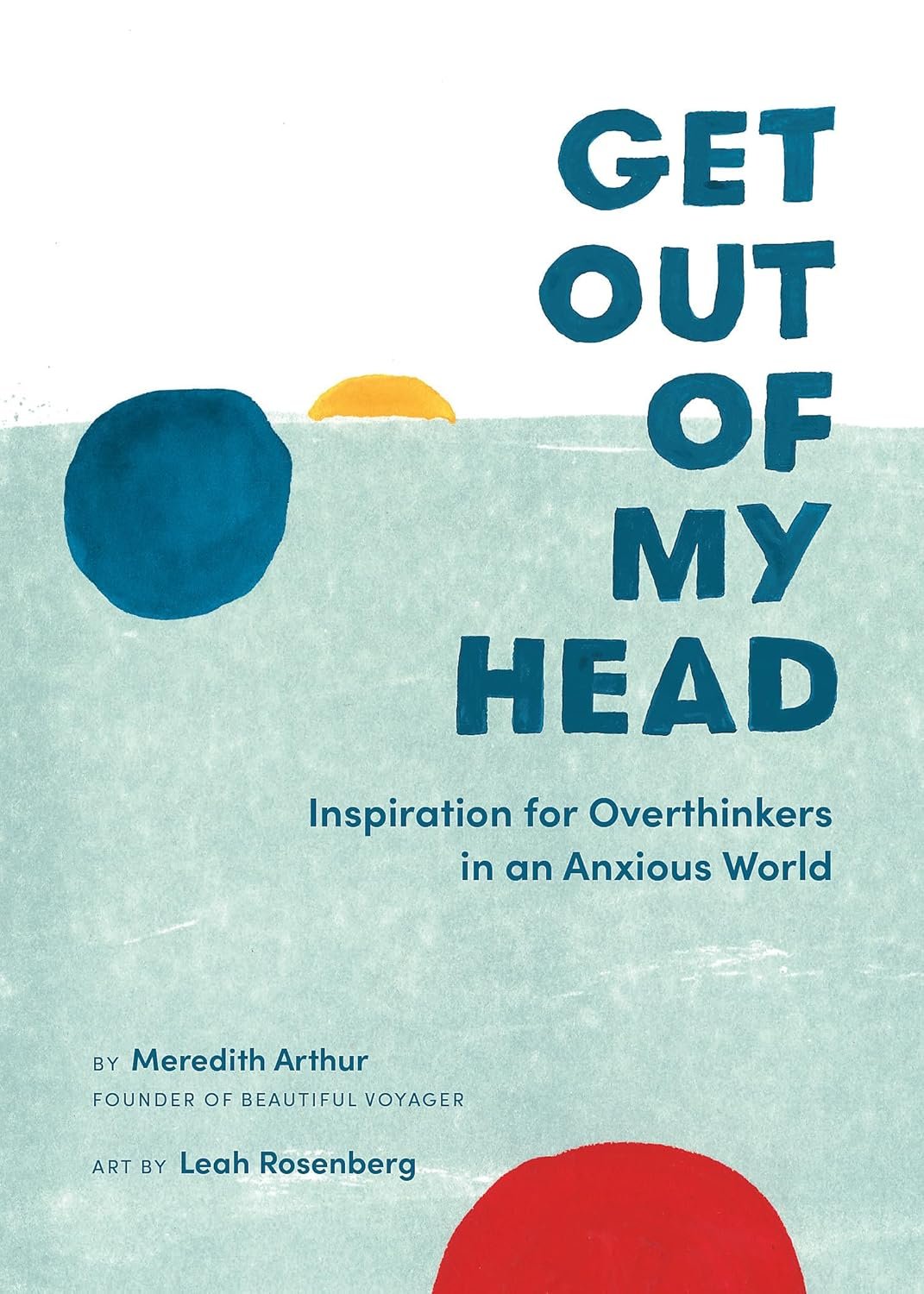
- If you want something gentler and less clinical, start with Get Out of My Head.
- If you want one big, comprehensive reference, start with The Anxiety and Phobia Workbook.
The best therapy for overthinking
1. CBT is usually the best first place to start
If your overthinking sounds like “What if this goes wrong?”, “I probably messed that up,” or “I need to think this through until I feel certain,” CBT is usually the strongest first-line option. NIMH calls CBT a research-supported treatment and the “gold standard” psychotherapy for generalized anxiety disorder, and Cleveland Clinic specifically notes CBT is effective for overcoming overthinking and recognizing cognitive errors.
In practice, CBT helps you identify distorted thought patterns, examine the evidence, notice how thoughts affect emotions and behavior, and change the behaviors that keep the loop alive. NHS’s “catch it, check it, change it” framework is a simple example of the same basic logic.
Example: if you send an email and then spend an hour rereading it, guessing tone, and predicting backlash, CBT would not just ask whether the thought is true. It would also ask what you do next, how the checking reinforces the spiral, and what a more balanced response would look like.
2. ACT is especially helpful when you keep fighting your thoughts
Some people do not need more thought-challenging as much as they need help relating differently to thoughts. NIMH describes ACT as encouraging nonjudgmental acceptance of thoughts and behaviors while promoting engagement in meaningful activities, and notes that ACT uses mindfulness and goal-setting strategies to reduce anxiety.
ACT can be especially useful when overthinking is fueled by a constant internal struggle like “I have to get rid of this thought before I can live my life.” Instead of turning therapy into a battle with your mind, ACT helps you make space for thoughts and keep moving toward what matters anyway.
Example: if your brain says, “Do not make that decision until you are 100 percent sure,” ACT may help you notice that thought, stop obeying it automatically, and still take a values-based next step. That is often more realistic than waiting for total certainty.
3. Mindfulness-based therapy can help rumination
If your overthinking feels more like mental replay, brooding, or getting stuck in the same emotional loop, a mindfulness-based approach may help. A systematic review and meta-analysis found that mindfulness-based cognitive therapy produced a significant, moderate reduction in rumination compared with usual care.
That does not mean mindfulness is magic or that it beats every other treatment in every case. It means mindfulness-based work can be a useful part of overthinking therapy, especially when the problem is getting repeatedly pulled back into the same mental groove.
4. Rumination-focused CBT is worth knowing about
This is one of the biggest gaps in competing pages. Many articles talk about generic CBT, but fewer mention that there are rumination-focused variations built specifically for repetitive negative thinking. APA highlights rumination-based CBT, describing it as helping people recognize rumination as a mental habit, identify triggers, and develop more helpful responses.
That is useful because some overthinkers do not mainly need “positive thinking.” They need help recognizing the pattern itself and interrupting it before it becomes their whole day.
Recommended Products for Overthinking
Product | Type | Best for | What stands out | Price | |
|---|---|---|---|---|---|
 | Weighted blanket | Bedtime anxiety and restless sleep | Deep-pressure comfort, premium build, removable cover | | |
 | Weighted sleep mask | Nighttime racing thoughts and travel | Gentle weighted pressure around eyes and temples, strap-free design | | |
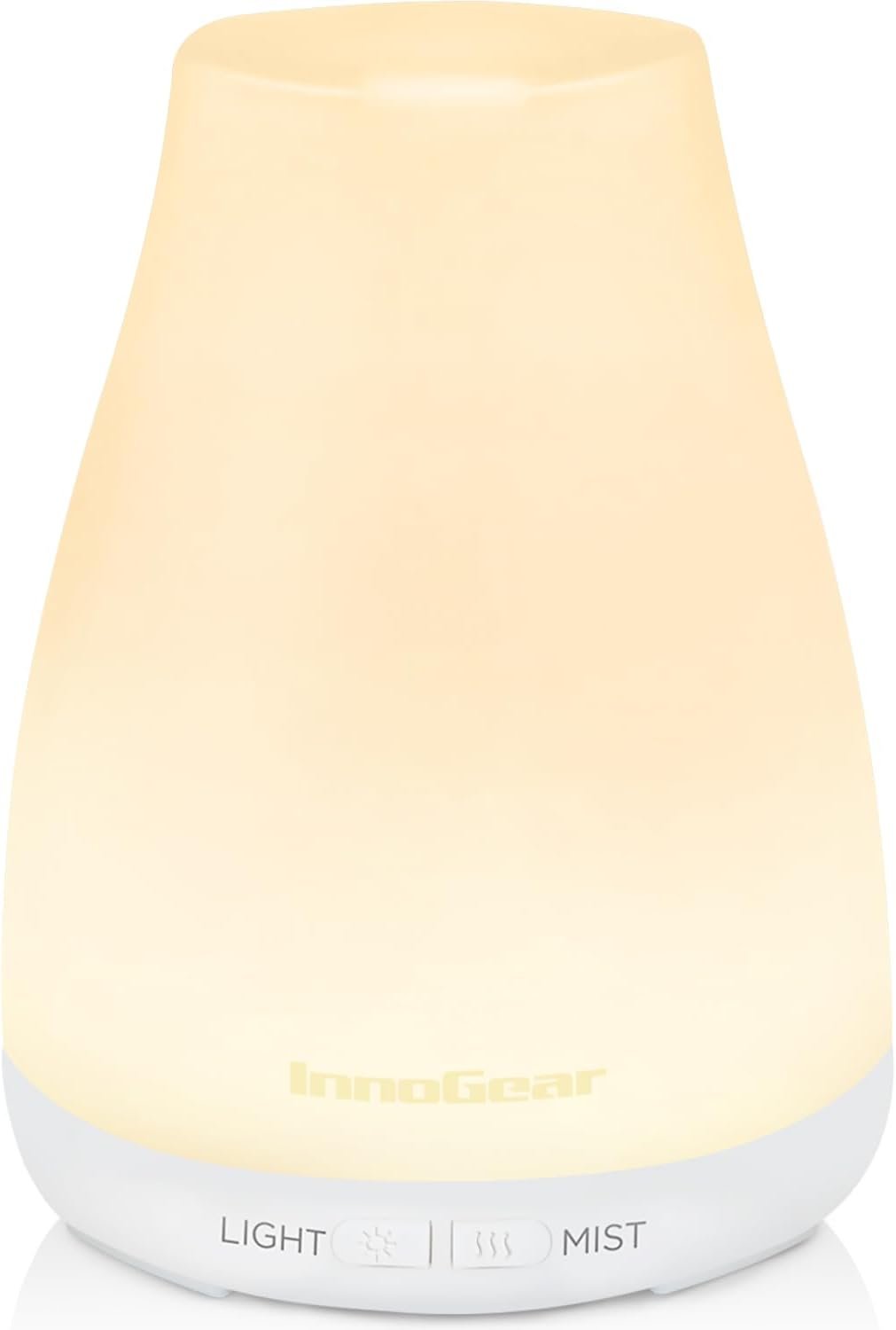 | Diffuser | Wind-down routines and calming sensory cues | Compact size, mist modes, waterless auto-off | | |
 | Acupressure mat | Stress that shows up as body tension | Very direct physical reset, especially for back and shoulders | | |
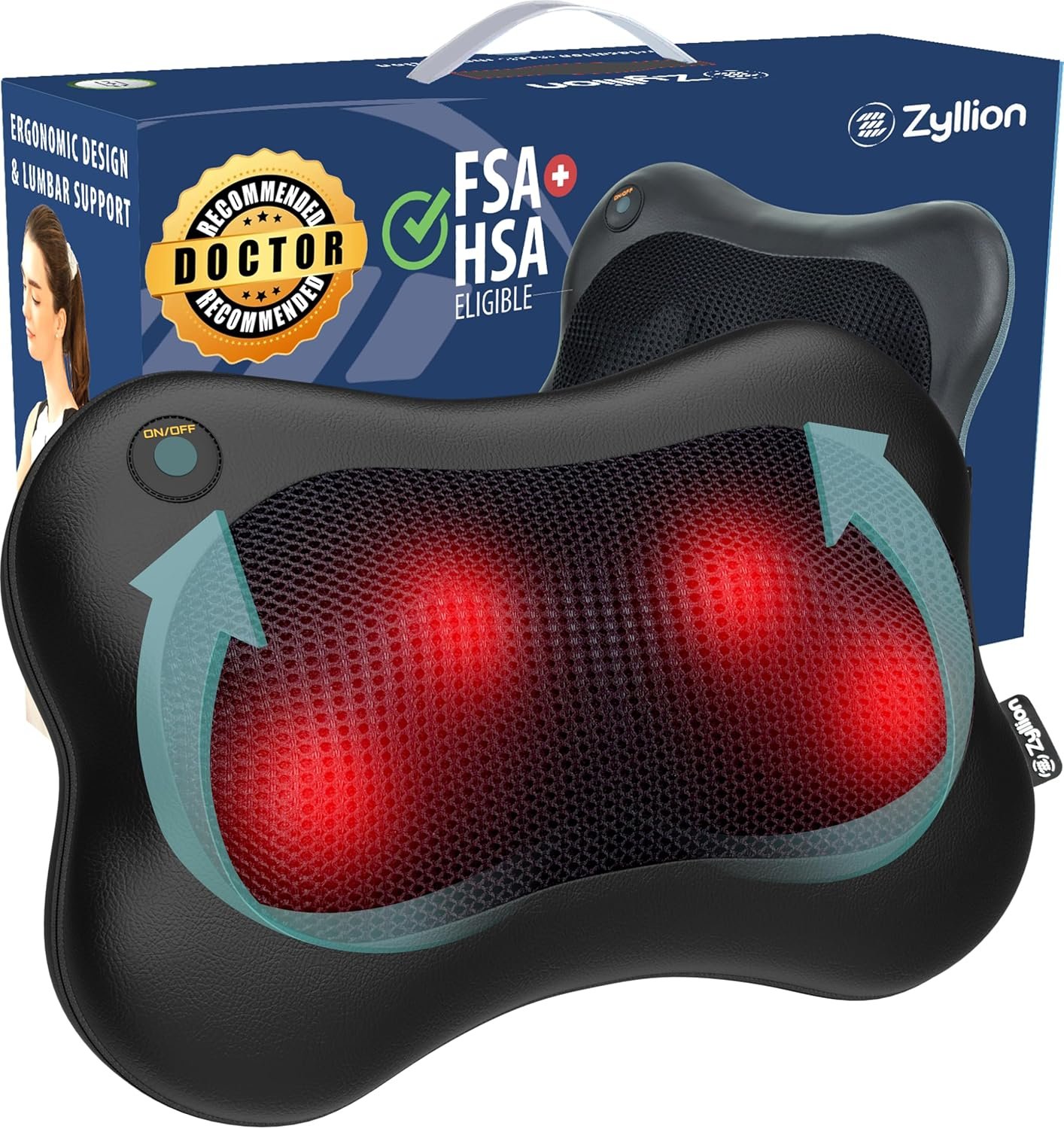 | Heated massager | Tight neck, shoulders, and upper back | Deep kneading plus heat | | |
 | Hot/cold mask | Forehead, eye-area, and facial tension | Flexible hot/cold relief and easy repeat use | | |
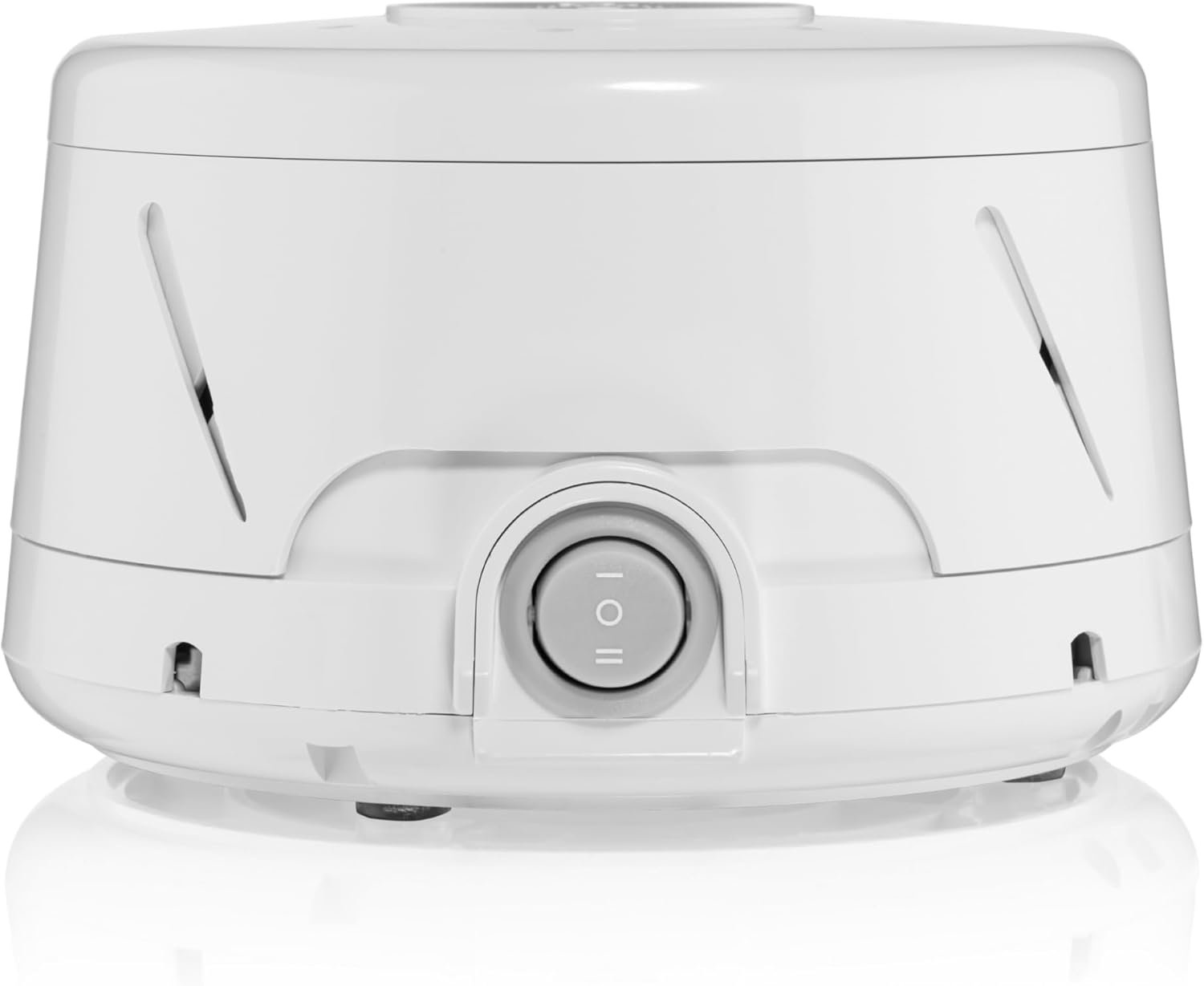 | White noise machine | Noise-sensitive sleepers and overstimulated brains | Real fan-based, non-looping sound | | |
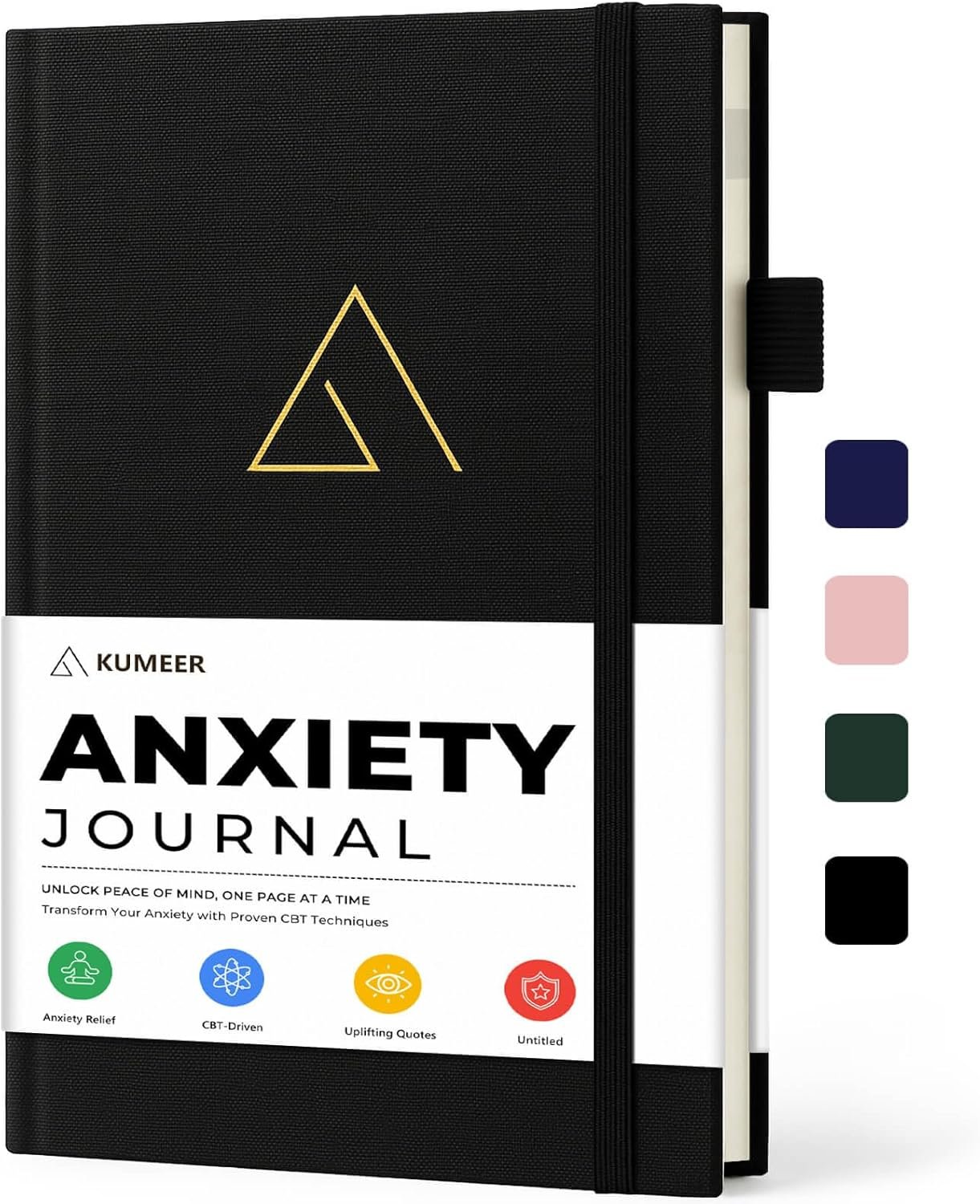 | Guided CBT notebook | Thought spirals and overthinking | Therapist-made CBT structure | | |
 | Fidget tool | Restless hands and anxious energy | Twistable tactile motion, easy to use | | |
 | Textured sensory stickers | Quiet, discreet grounding at work or school | Reusable, low-profile, always-there tactile cue | |
5. If your overthinking is actually OCD-like, generic talk therapy may not be enough
Sometimes people call it overthinking when it is really obsessions plus compulsions. NIMH describes OCD as involving uncontrollable recurring thoughts and repetitive behaviors or mental acts, and says ERP, a specific type of CBT, effectively reduces compulsive behaviors.
This matters a lot. If your “overthinking” involves repeated checking, reassurance-seeking, mental reviewing, silent rituals, or a strong urge to neutralize thoughts, you may need OCD-informed treatment, not just general stress management.
What therapy for overthinking actually looks like
A good course of therapy for overthinking usually starts with mapping the pattern. You and the therapist look at triggers, the exact thoughts that show up, what your body does, what behaviors follow, and what keeps the cycle going.
From there, treatment often includes some mix of thought work, behavior change, uncertainty tolerance, grounding, and nervous-system regulation. PaulWellness’s own recent worksheet language uses this same non-shaming frame, emphasizing that strong reactions are often physiological, not personal failures, and encouraging regulating actions like breathing, movement, rest, or neutral distraction.
In real life, that might mean learning to stop rereading texts, postponing rumination to a set time, using a thought record, practicing acceptance instead of mental wrestling, or taking one small action before you feel fully certain. NHS and Cleveland Clinic both support worry-time and reframing tools, while ACT and CBT both emphasize changing what you do with the thought, not just debating its content forever.
How to know which kind of therapy may fit you best
CBT is often the best match if your overthinking is full of distorted predictions, mental reviewing, black-and-white thinking, and “what if” loops. That is where structured cognitive and behavioral tools usually shine.
ACT may fit better if you already understand your thoughts are irrational but still feel trapped by them. It is especially useful when the fight with the thought has become part of the problem.
Mindfulness-based therapy may be especially helpful if you keep slipping into rumination, shame loops, or mental replay. And if the pattern includes repetitive checking or mental rituals, ask directly about OCD-informed CBT or ERP rather than assuming “overthinking” is the whole story.
Signs you may need therapy for overthinking
It is worth considering therapy when overthinking is affecting sleep, work, relationships, concentration, or your ability to make everyday decisions. NIMH notes that anxiety should not control your life, and when worry becomes persistent and starts interfering with daily activities, it may point to an anxiety disorder rather than ordinary stress.
It is also worth getting help when you feel stuck in the same loops no matter how much you journal, distract, reassure yourself, or talk it through with friends. Repetitive negative thinking is an important treatment target precisely because it can keep symptoms going even when you understand, intellectually, that it is unhelpful.
Can online therapy help with overthinking?
Yes. NIMH states that psychotherapy can be effective in person or virtually via telehealth, and that different therapies work for different people. That makes online therapy a very reasonable option if you are specifically looking for therapy for overthinking and want easier access or more scheduling flexibility.
The more important question is usually not “online or in person?” but “Does this therapist actually understand worry, rumination, anxiety, and OCD-style loops?” For this keyword, fit and specialization matter more than format alone.
What progress in overthinking therapy usually looks like
A lot of people expect therapy to erase the thoughts. More often, progress looks like shorter spirals, less checking, less urgency, better sleep, faster recovery after triggers, and more ability to make decisions without needing total certainty first.
That is important because the real win is not “I never had the thought.” The real win is “I had the thought, but it did not run my whole evening.”
FAQ: Overthinking Therapy
What is the best therapy for overthinking?
Usually CBT is the best-supported starting point, especially when overthinking is tied to anxiety, catastrophizing, and cognitive distortions. ACT is also a solid option, especially when you keep fighting thoughts, and ERP matters if the pattern is actually OCD-like.
Can therapy really help overthinking?
Yes. Therapy can help by targeting the patterns that maintain worry and rumination, not just the surface thoughts. CBT is well established for anxiety and stress-related disorders, and newer rumination-focused approaches are being developed specifically because repetitive negative thinking is such a strong maintenance factor.
Is overthinking therapy the same as anxiety therapy?
Often there is a lot of overlap, but not always. Many people who want therapy for overthinking do end up benefiting from anxiety-focused treatment because persistent worry and rumination commonly overlap with anxiety, but OCD-style patterns may need more specific treatment.
What happens in therapy for overthinking?
You usually work on identifying triggers, spotting patterns, understanding what keeps the loop going, and practicing new responses. Depending on the approach, that can include thought records, worry scheduling, acceptance work, grounding, behavior change, or exposure-based work.
How do I know if I need therapy for overthinking?
A good rule is this: if overthinking is regularly interfering with sleep, work, relationships, concentration, or your ability to function, it is time to consider help. NIMH specifically notes that when anxiety begins to interfere with everyday life, professional support is worth seeking.
Can I do overthinking therapy online?
Yes. NIMH says psychotherapy can be effective in person or virtually via telehealth.
Other Interesting Articles
- Free Therapy Worksheets at Paul Wellness
- 10 of the Best Anxiety Relief Products
- Best Journal for Overthinkers
- Best Books for Overthinking
About the Author
Paul Wellness
Paul Wellness is a mental-health professional and writer dedicated to helping individuals and couples strengthen relationships through evidence-based insight and emotional growth. Combining therapeutic expertise with practical tools, Paul Wellness empowers readers to create trust, connection, and lasting love.
Final takeaway
If you are searching for overthinking therapy, the clearest answer is this: therapy can help, and CBT is usually the strongest first place to start. But the best fit depends on what is driving the loop. If it is anxious worry, CBT often leads. If it is a constant fight with thoughts, ACT may help. If it is rumination, mindfulness-based work may help. If it is OCD-style obsession and compulsion, ERP matters.
The most important shift is not learning to have zero thoughts. It is learning how to stop living at the mercy of them.