 by
by The best apps to reduce overthinking and anxiety are usually the ones that do one job really well: help you interrupt anxious thought loops, calm your body, sleep better, or practice more structured coping skills. Not every good app needs to do all four. In fact, one of the biggest mistakes people make is downloading a “mental health app” that sounds impressive but does not actually match the pattern they are dealing with.
That matters because overthinking is not one single problem. Sometimes it looks like catastrophic “what if” spirals. Sometimes it looks like nighttime rumination. Sometimes it looks like panic, emotional flooding, or repeated checking and reassurance-seeking. The app that helps one version may not be the one that helps another.
Best Books for Overthinking: Comparison Table
Feature | ||||||||
|---|---|---|---|---|---|---|---|---|
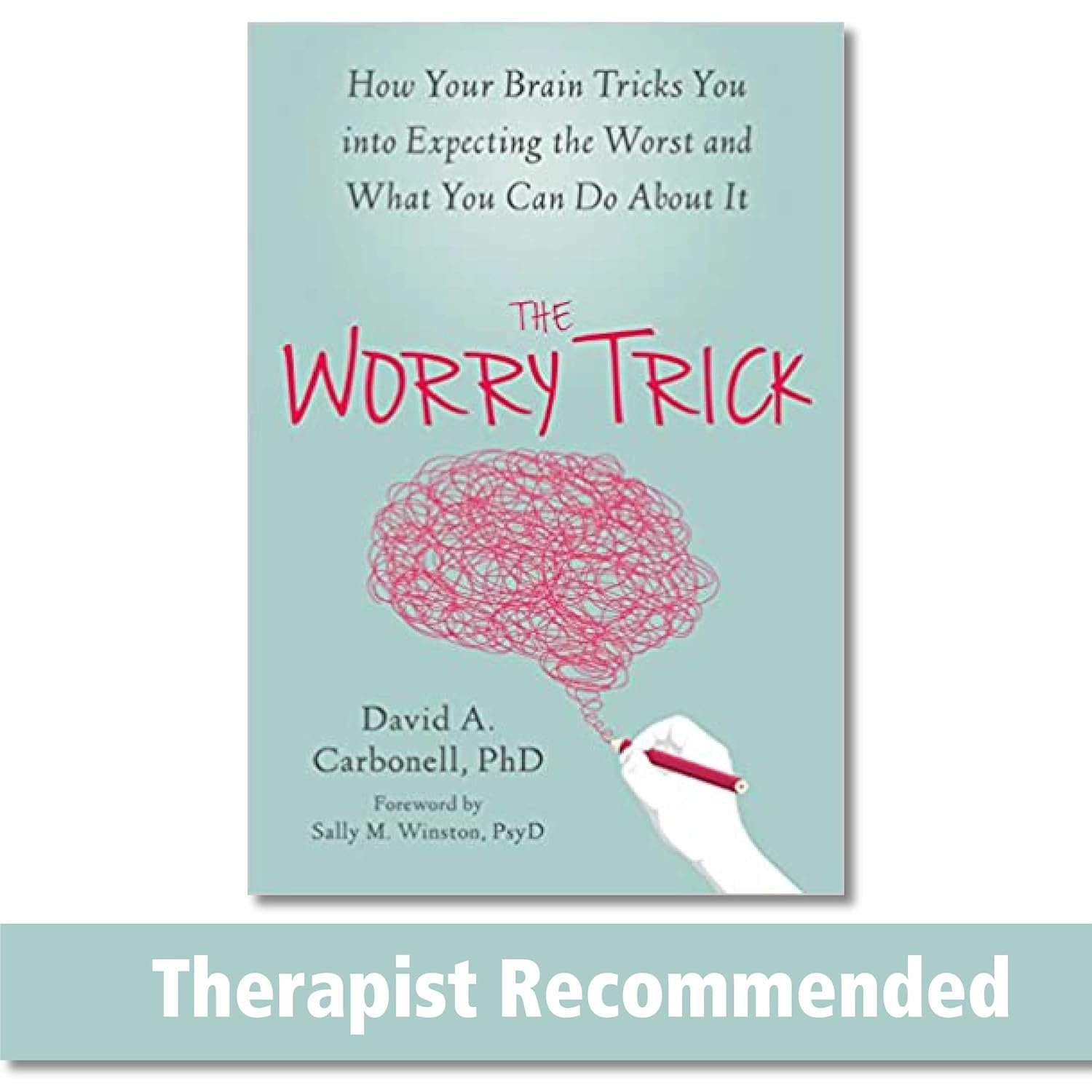 | 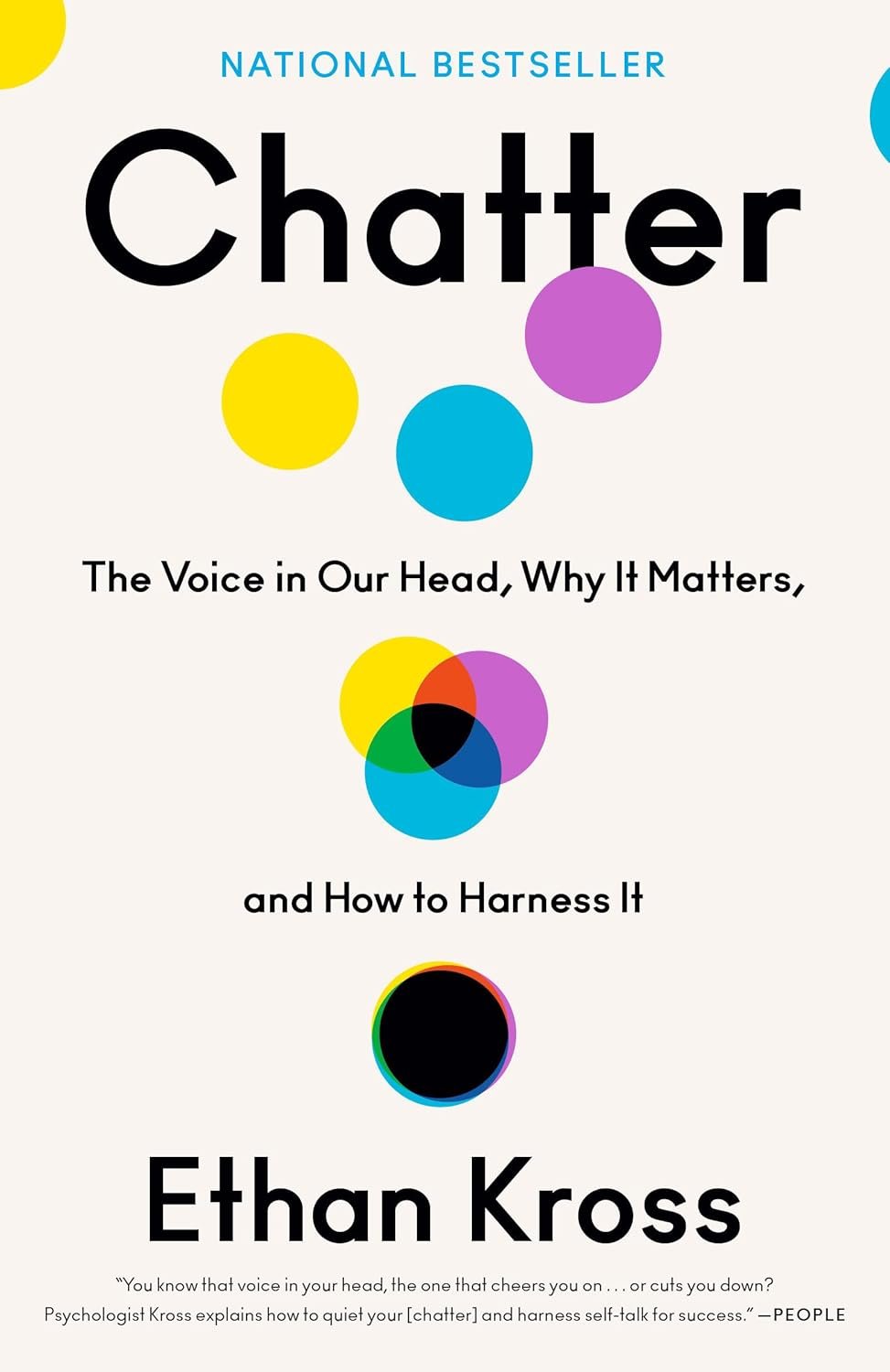 | 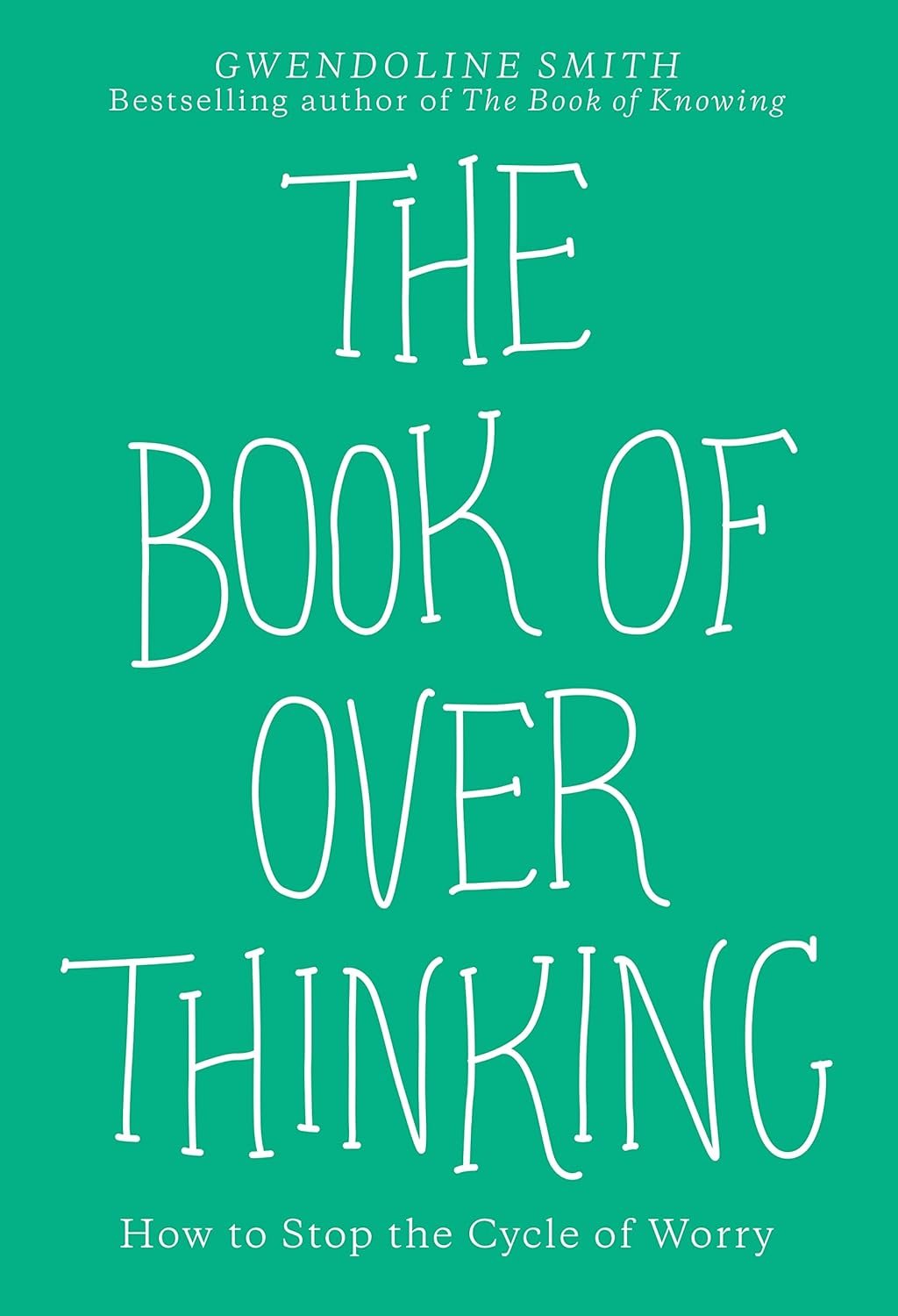 | 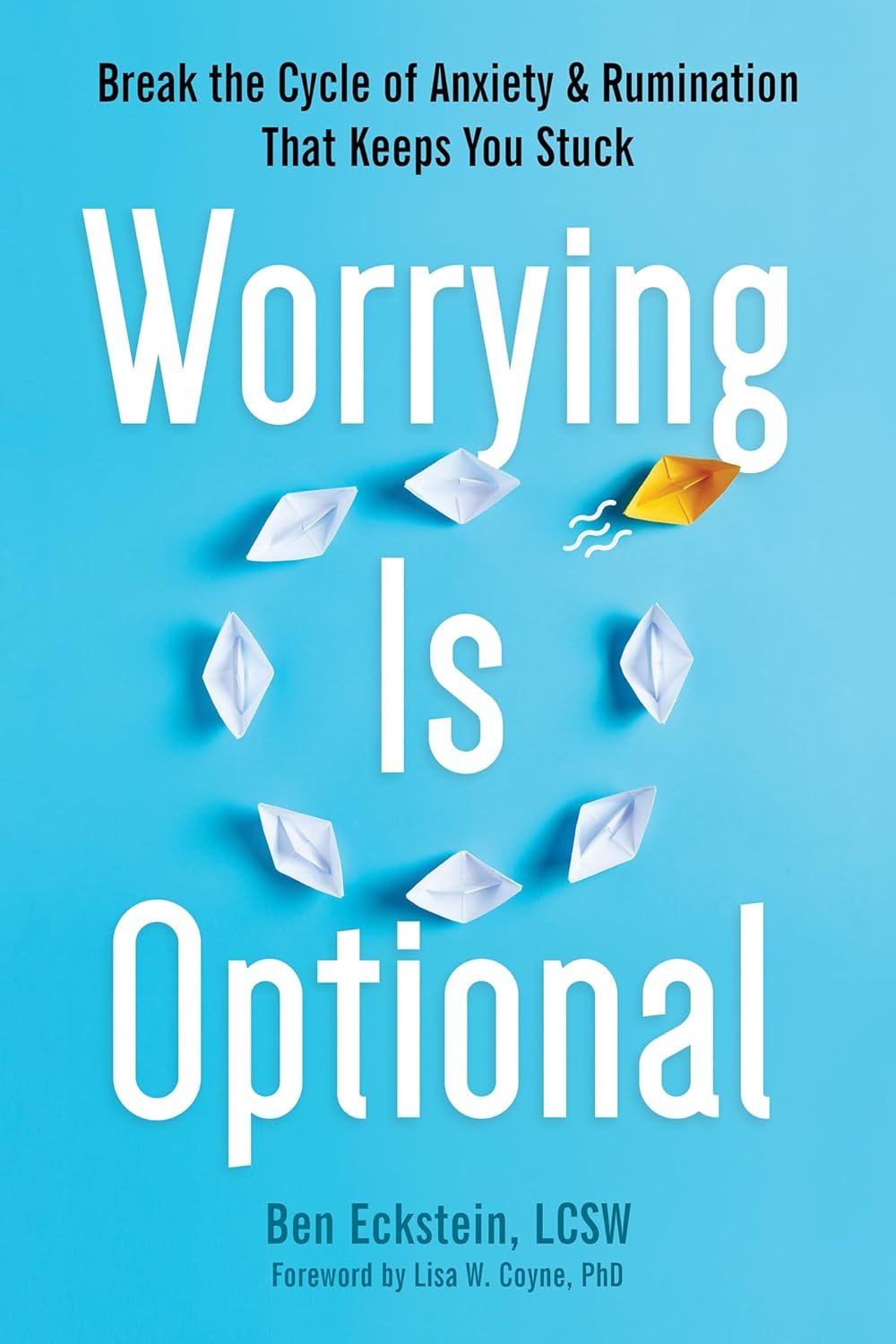 | 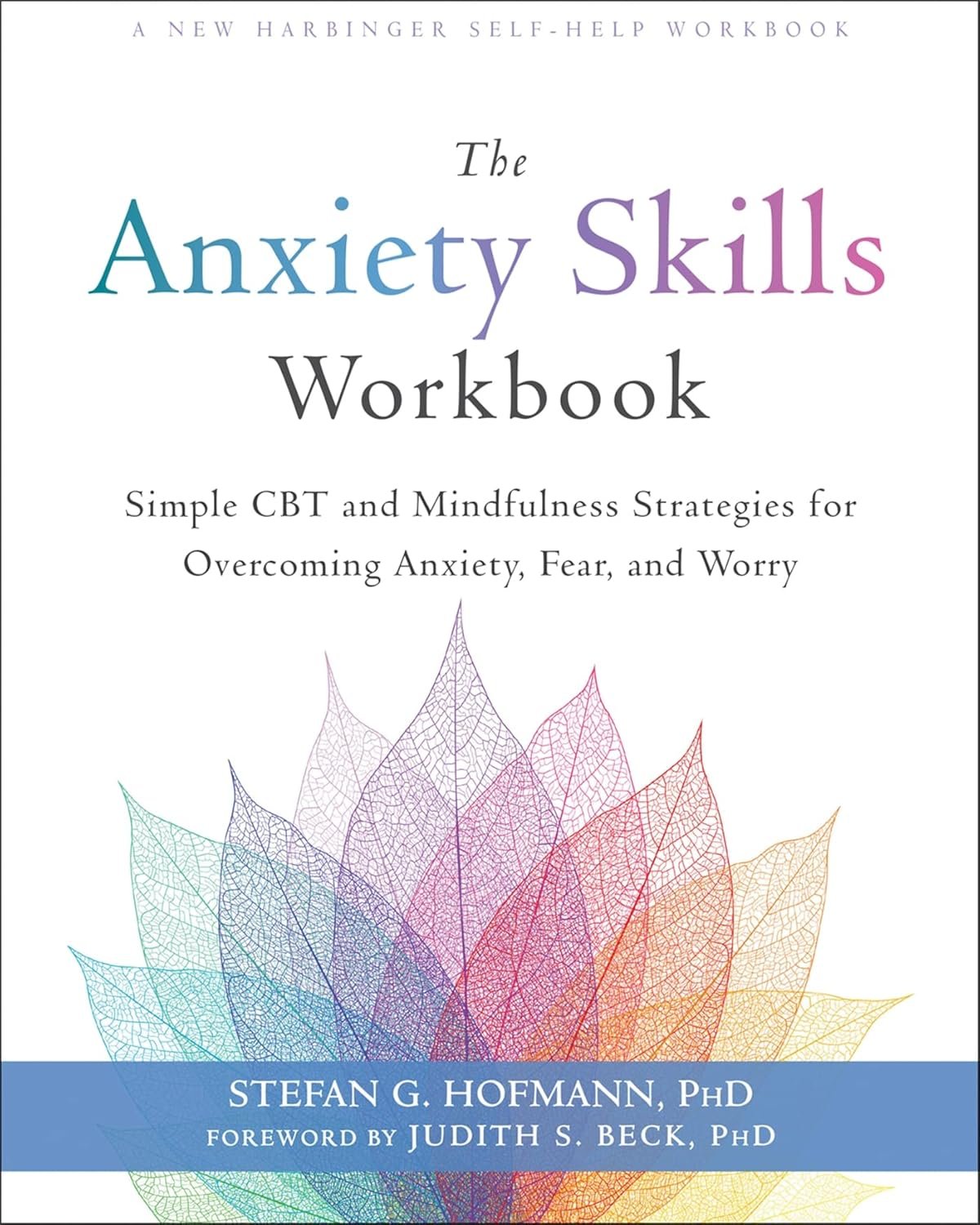 | 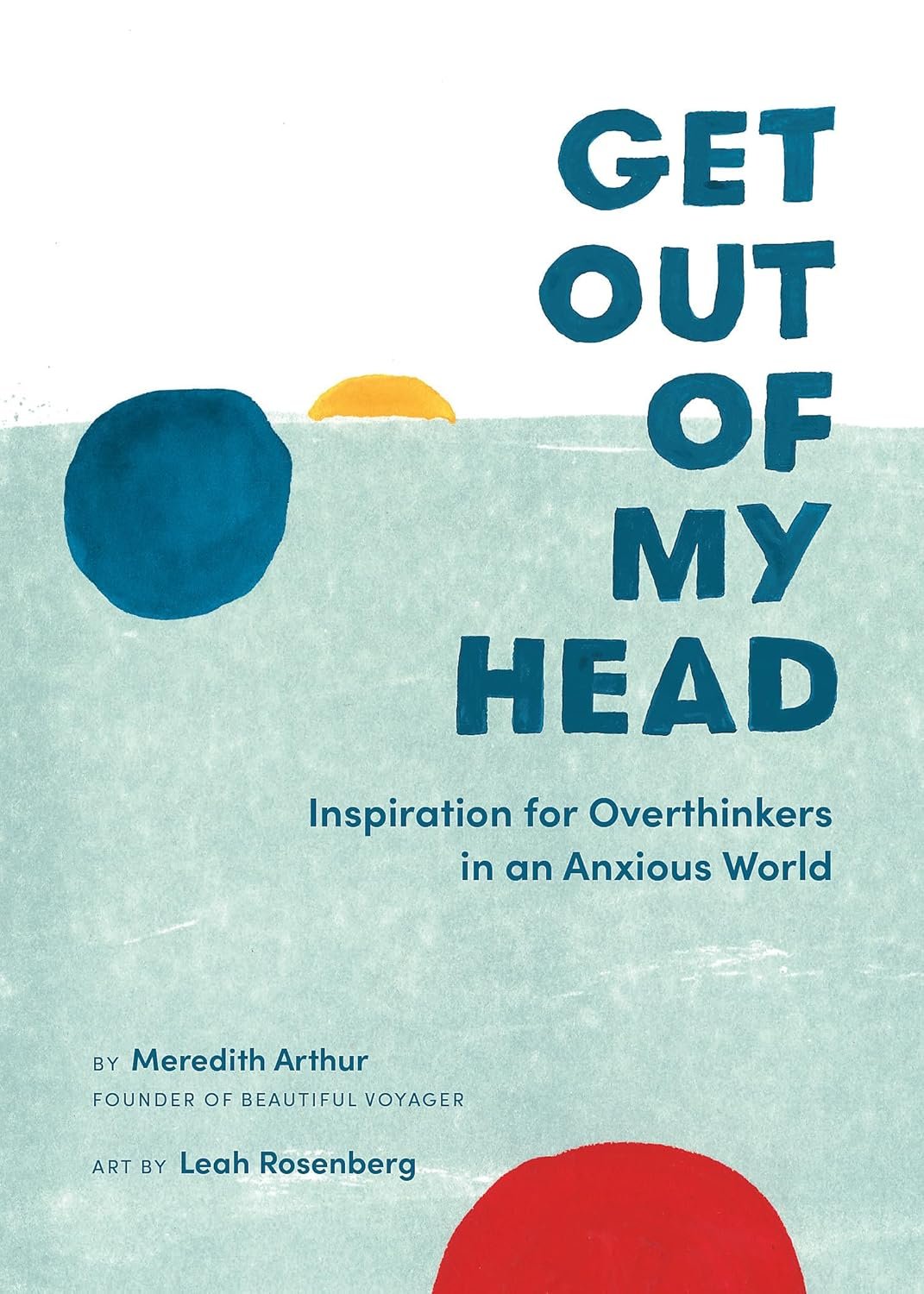 | 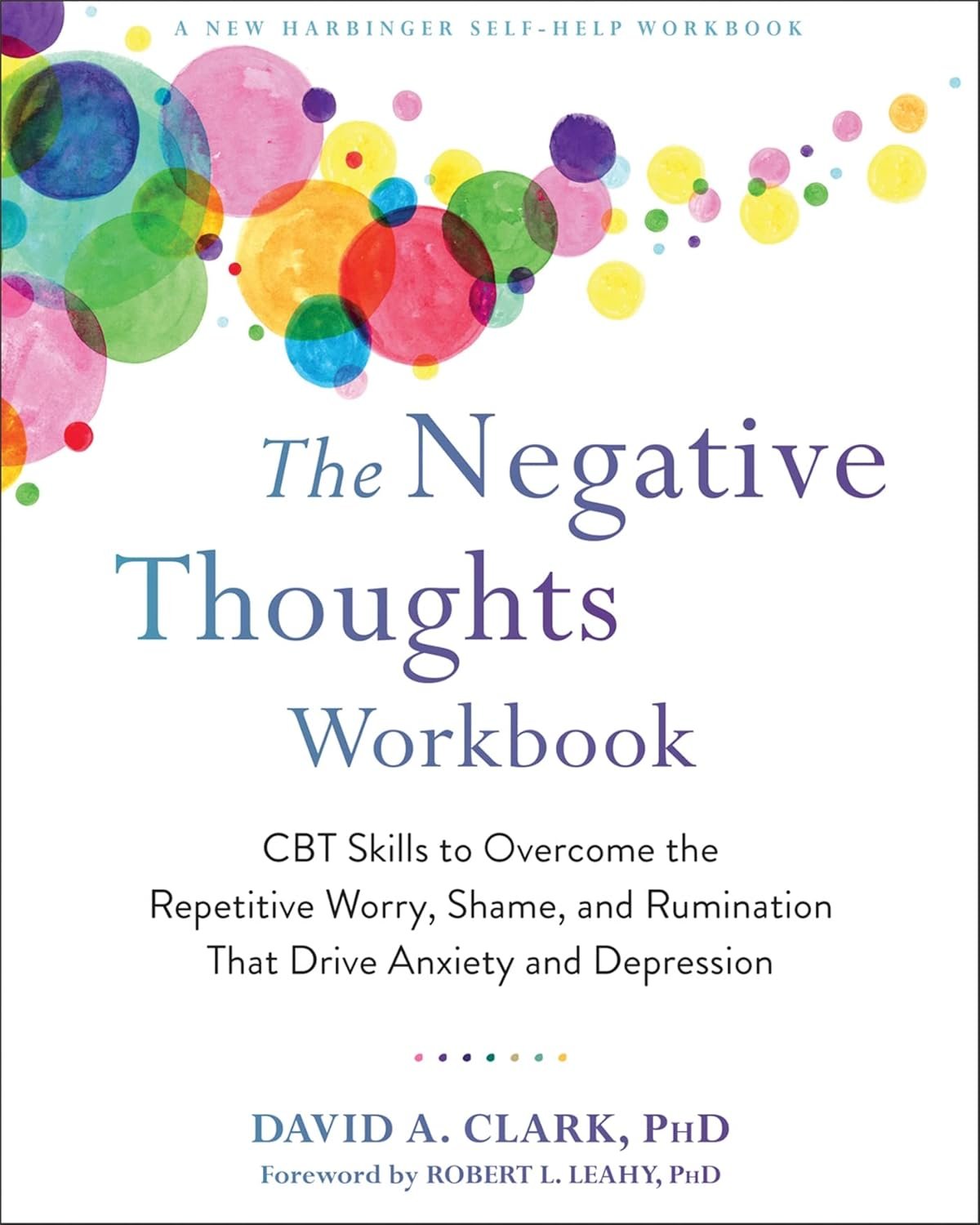 | 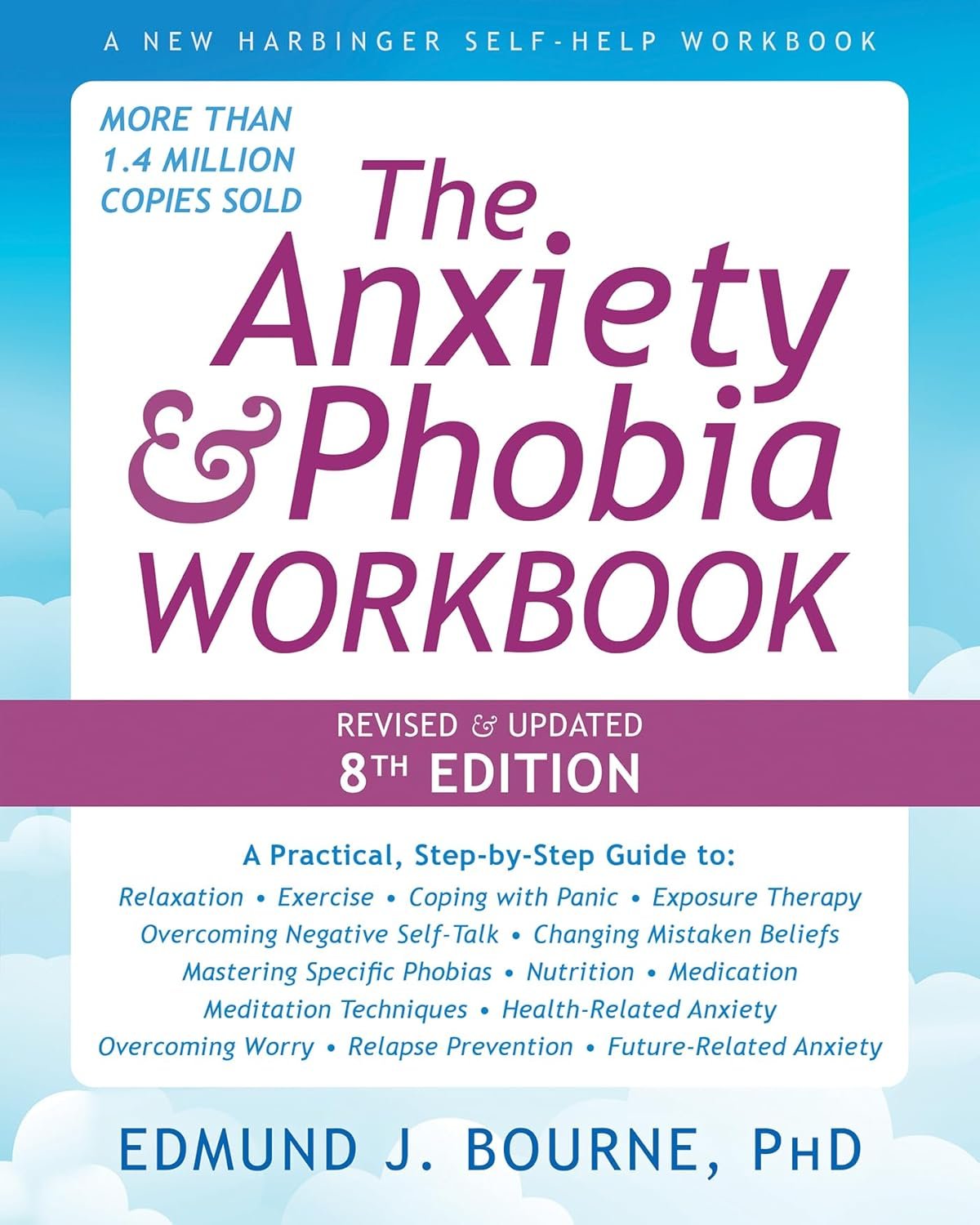 | |
Author | David A. Carbonell, PhD | Ethan Kross, PhD | Gwendoline Smith | Ben Eckstein, PhD | Stefan G. Hofmann, PhD | Meredith Arthur | David A. Clark, PhD | Edmund J. Bourne, PhD |
Best for | Chronic worry and worst-case thinking | Mental chatter and self-talk spirals | General overthinking in daily life | Rumination plus uncertainty | Structured CBT practice | Gentle support for anxious overthinkers | Repetitive negative thoughts | Deep, comprehensive anxiety work |
Style | Practical therapist-led guide | Research-driven popular psychology | Very on-topic, accessible self-help | Newer evidence-based guide | Workbook | Illustrated, relatable guide | Workbook | Large, classic workbook |
Best if you want | To understand why worry hooks you | Science-backed tools for inner voice | A book that speaks directly to overthinking | A newer anti-worry framework | Exercises, not just insight | Something warm and non-intimidating | A focused rumination workbook | The most comprehensive toolkit |
Most useful mood | “My brain always expects the worst” | “My inner voice won’t shut up” | “I overthink everything” | “I keep looping and can’t drop it” | “I want homework and skill drills” | “I need help without dense jargon” | “I keep replaying negative thoughts” | “I want one big reference book” |
Price |  | | | | | | | |
What makes an app actually worth downloading
For this guide, the strongest apps were the ones that had a clear purpose, current availability, a believable mental-health framework, and tools people can use in real life, not just inspiring branding. Mental Health America specifically recommends looking at credibility, user experience, and data transparency when choosing a mental-health app, and Harvard Health notes there is no single best app for everyone.
I also weighted apps more heavily if they matched one of the big overthinking needs that competitors often ignore: CBT-style thought work, mindfulness for rumination, breathing and panic tools, sleep support, or simple action prompts when you feel stuck. That is where most of the ranking pages still feel too generic.
1) MindShift CBT
If your overthinking sounds like catastrophizing, replaying conversations, panic, constant “what if” thinking, or needing help challenging anxious thoughts, MindShift CBT is one of the strongest apps to know about. Its official materials describe it as a free app built around evidence-based CBT tools for anxiety, stress, panic, and worry, and a 2022 paper specifically described MindShift CBT as a free CBT-based app with evidence for alleviating anxiety symptoms in outpatient care.
This is one of the few apps on this list that feels genuinely built for the thought-loop part of anxiety, not just general relaxation. That makes it especially relevant for people who are not only stressed, but mentally stuck.
2) MoodMission
MoodMission is a strong app for people who know they feel anxious or overwhelmed but do not know what to do next. The app asks how you are feeling and then gives you a short list of “missions,” which can include mindfulness, relaxation, movement, gratitude, coping statements, and other evidence-based mood-supporting actions.
That structure is especially helpful for overthinkers because it reduces decision fatigue. Instead of sitting there analyzing your mental state for another 20 minutes, the app nudges you toward one concrete next step.
3) Headspace
Headspace is one of the best-known mental wellness apps for a reason. Its official app and website describe evidence-based meditation and mindfulness tools, sleep resources, anxiety support, breathing exercises, and CBT-based exercises designed to help interrupt negative thinking patterns and reduce stress.
This is a particularly good app to know about if your overthinking shows up as constant inner noise and you need a guided voice to help you refocus. It is also useful if your anxiety tends to spill into bedtime, because Headspace has a dedicated sleep section with wind-downs, sleep meditations, and sleepcasts.
Recommended Books for Overthinking
- If your mind always goes to worst-case scenarios, start with The Worry Trick.
- If your issue is nonstop inner narration, start with Chatter.
- If you want the book that speaks most directly to overthinking, start with The Book of Overthinking.
- If you want a newer anti-rumination framework, start with Worrying Is Optional.
- If you want exercises and structured practice, start with The Anxiety Skills Workbook or The Negative Thoughts Workbook.
- If you want something gentler and less clinical, start with Get Out of My Head.
- If you want one big, comprehensive reference, start with The Anxiety and Phobia Workbook.
4) Calm
If your overthinking is tightly tied to feeling keyed up, restless, or unable to wind down, Calm is one of the most practical awareness apps on the list. Calm’s official site and app materials focus on in-the-moment stress relief, anxiety support, sleep help, guided meditations, breathwork, and sound-based calming tools.
Calm tends to make the most sense when your mind is not only looping, but your body is activated too. In other words, it is a good app to know about when overthinking feels like mental noise plus nervous-system overload, especially at night.
5) Healthy Minds Program
Healthy Minds Program is one of the best apps to know about if you want something more science-forward and less commercial-feeling. The app is described as free and ad-free, and the organization behind it ties it to the Center for Healthy Minds at the University of Wisconsin. Its current materials say it uses guided meditations and podcast-style lessons to build focus, reduce stress, and support wellbeing.
This app is especially appealing for people who want to understand what they are practicing, not just press play on another meditation. It is also a strong pick for readers who want a free option that still feels research-based and structured.
6) Insight Timer
Insight Timer is worth knowing about because of the sheer size of its free library. Its official materials describe it as the number one free meditation app, with a very large catalog of guided meditations, talks, music, and sleep content aimed at stress, anxiety, and better sleep.
This is a great awareness app if your biggest issue is finding a voice, length, or style that actually clicks with you. The only catch is that the huge library can feel overwhelming if indecision is already part of your overthinking pattern, so it helps to search very specifically once you are inside it.
Recommended Products for Overthinking
Product | Type | Best for | What stands out | Price | |
|---|---|---|---|---|---|
 | Weighted blanket | Bedtime anxiety and restless sleep | Deep-pressure comfort, premium build, removable cover | | |
 | Weighted sleep mask | Nighttime racing thoughts and travel | Gentle weighted pressure around eyes and temples, strap-free design | | |
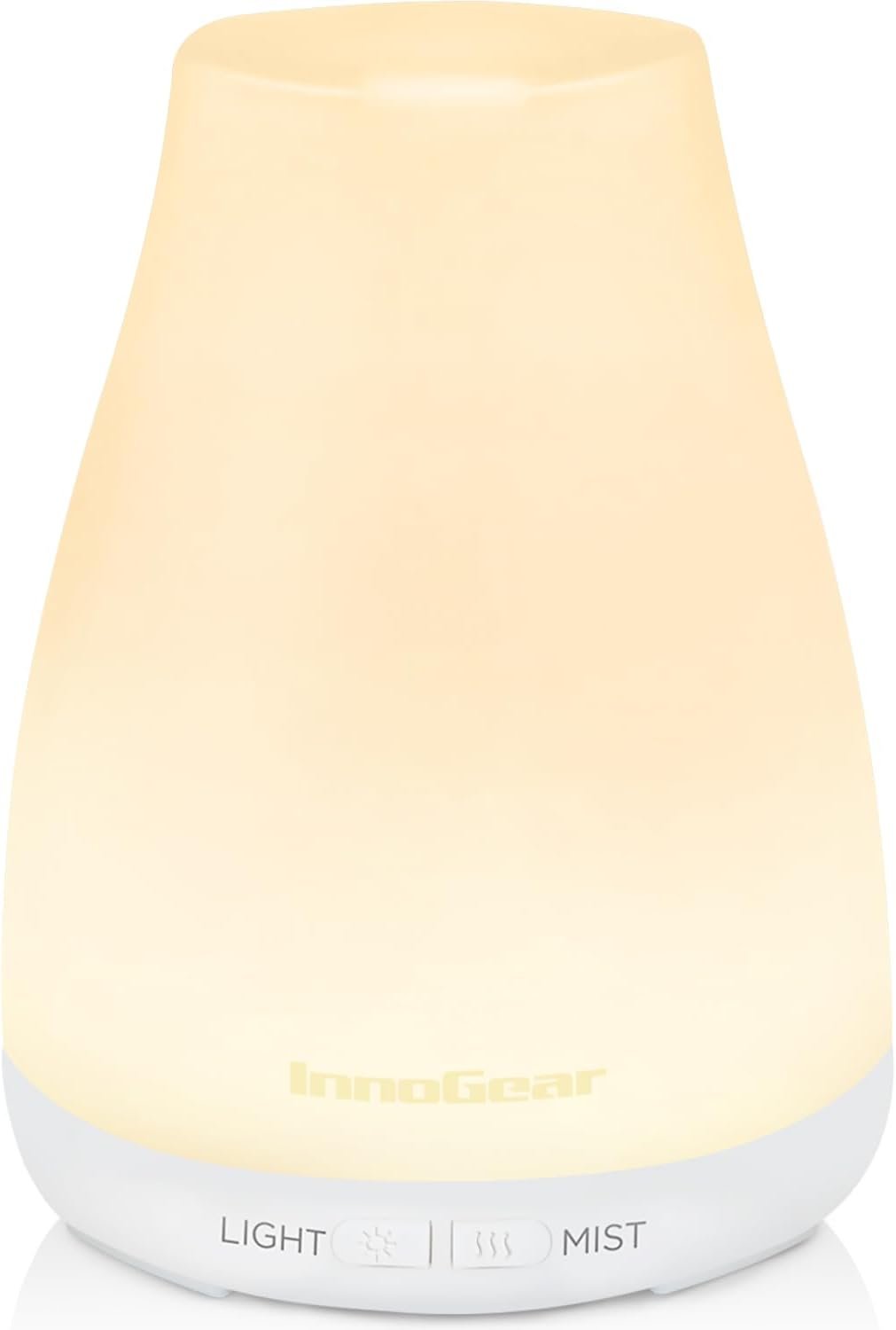 | Diffuser | Wind-down routines and calming sensory cues | Compact size, mist modes, waterless auto-off | | |
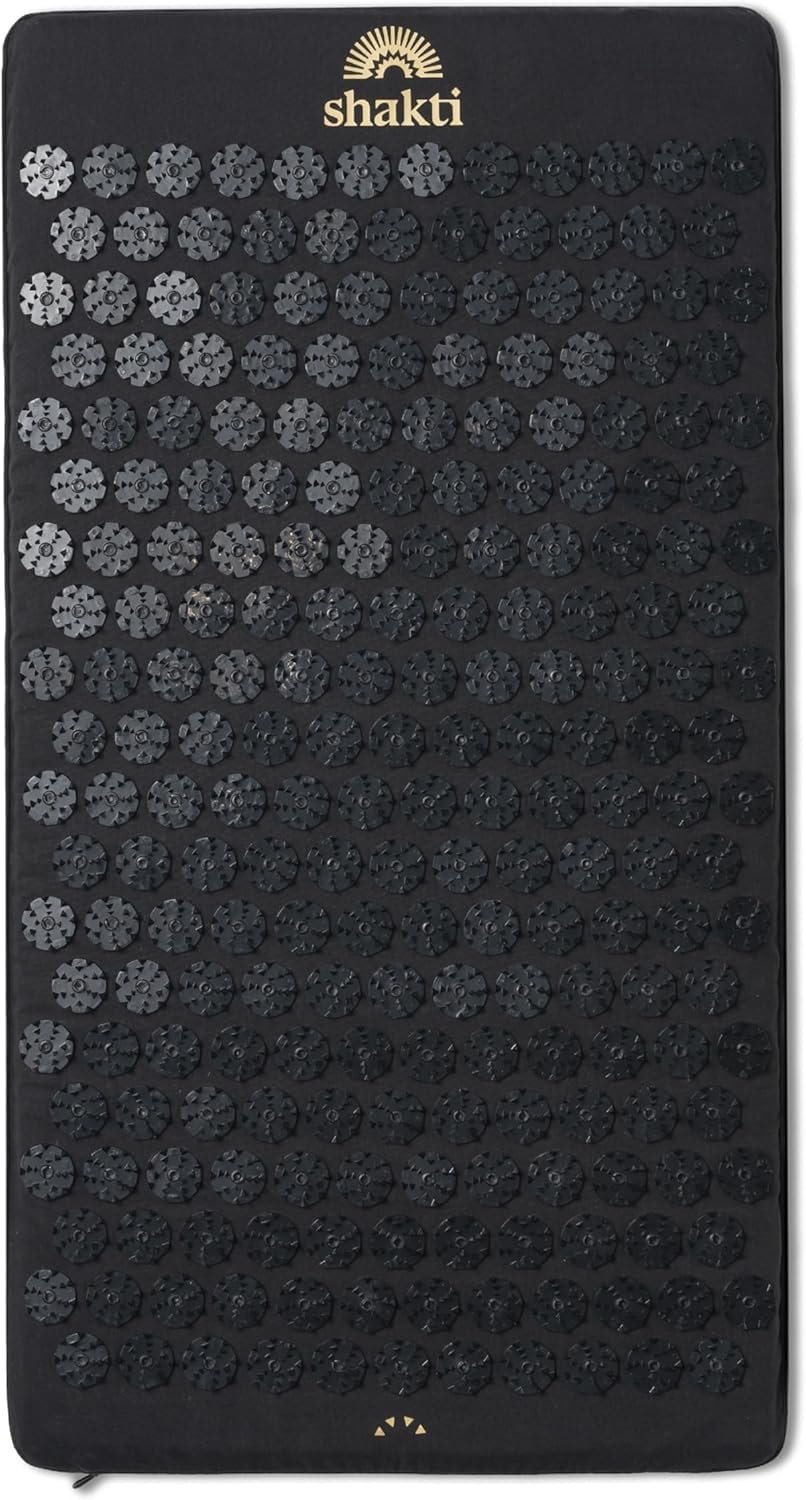 | Acupressure mat | Stress that shows up as body tension | Very direct physical reset, especially for back and shoulders | | |
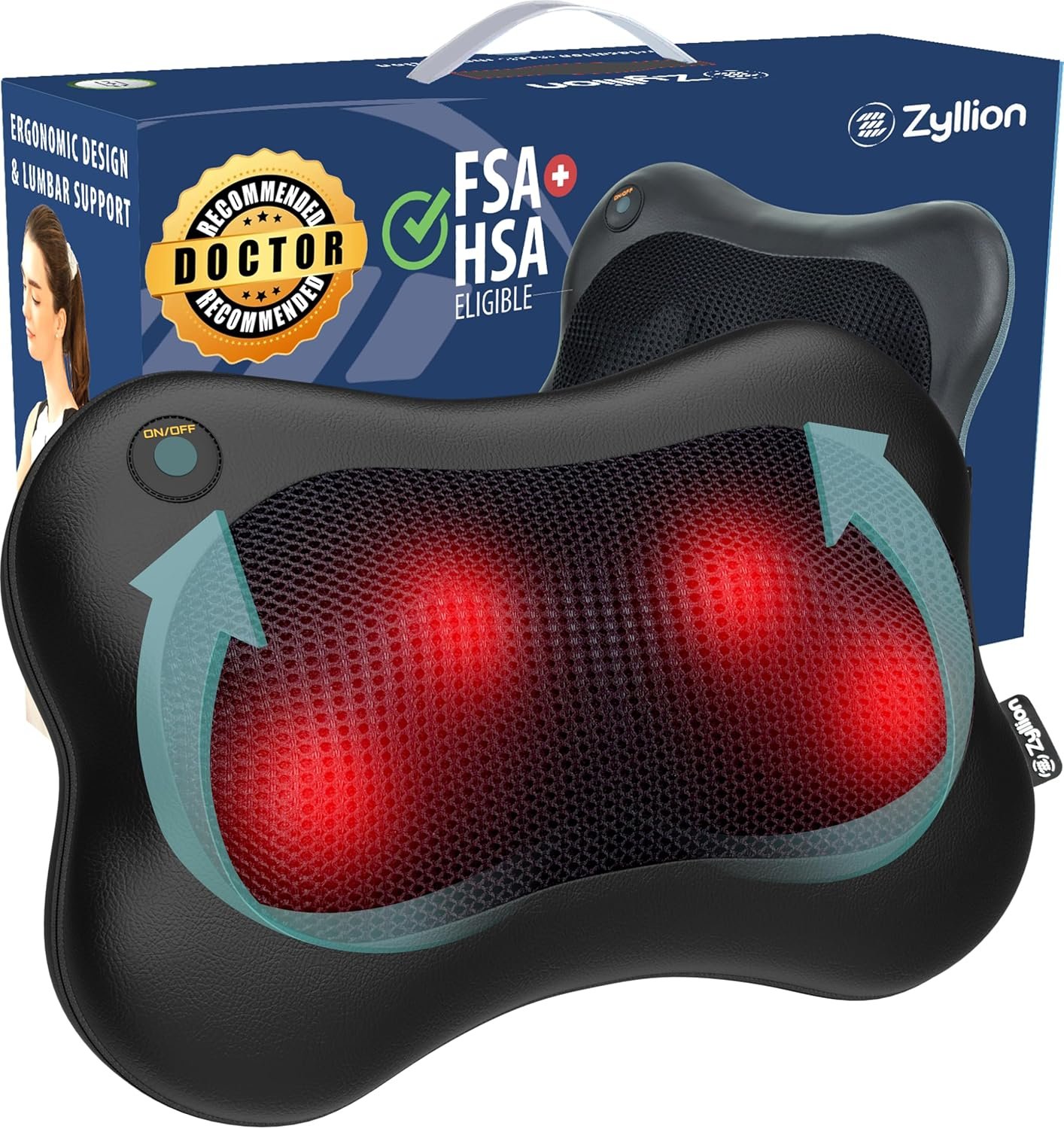 | Heated massager | Tight neck, shoulders, and upper back | Deep kneading plus heat | | |
 | Hot/cold mask | Forehead, eye-area, and facial tension | Flexible hot/cold relief and easy repeat use | | |
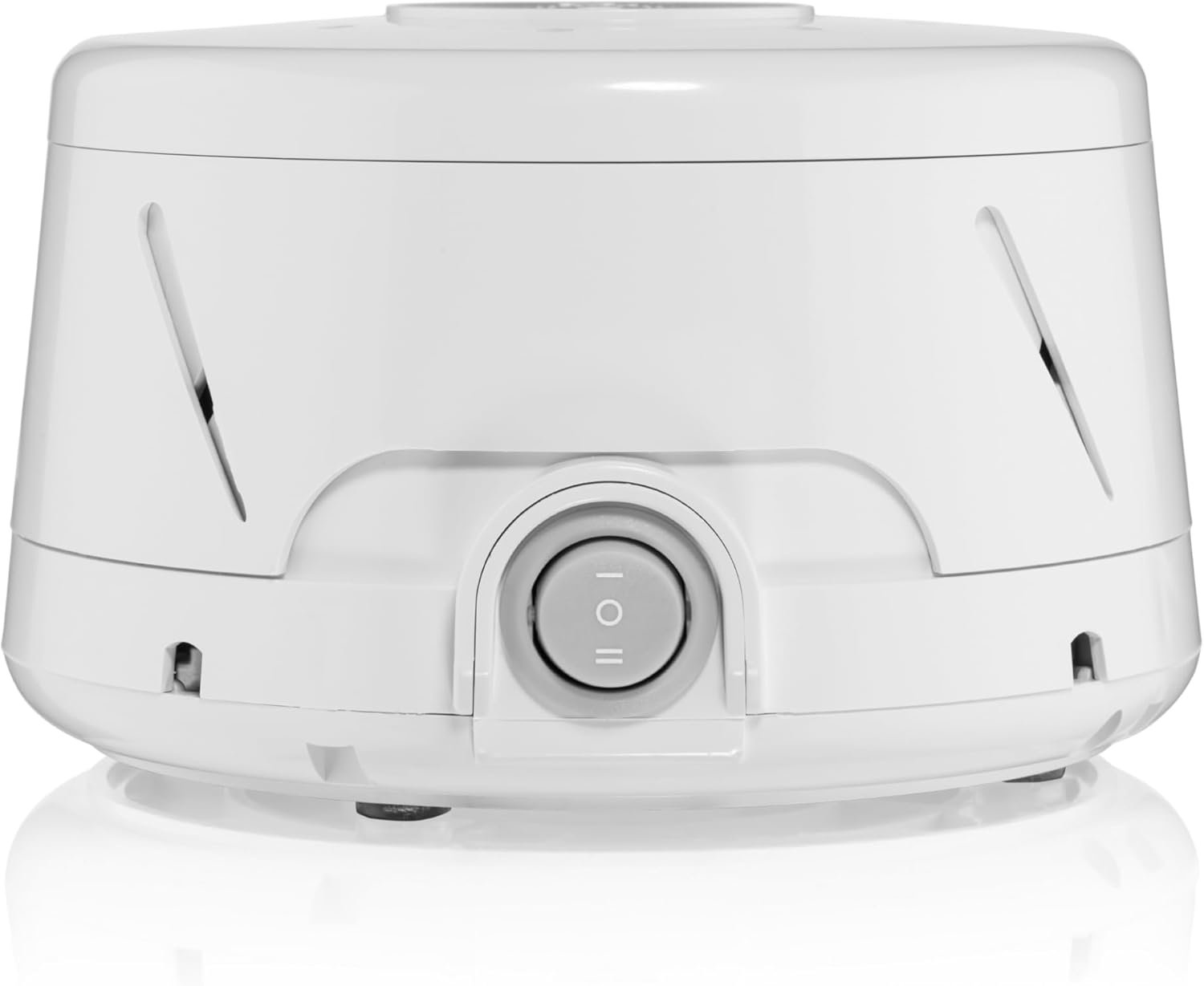 | White noise machine | Noise-sensitive sleepers and overstimulated brains | Real fan-based, non-looping sound | | |
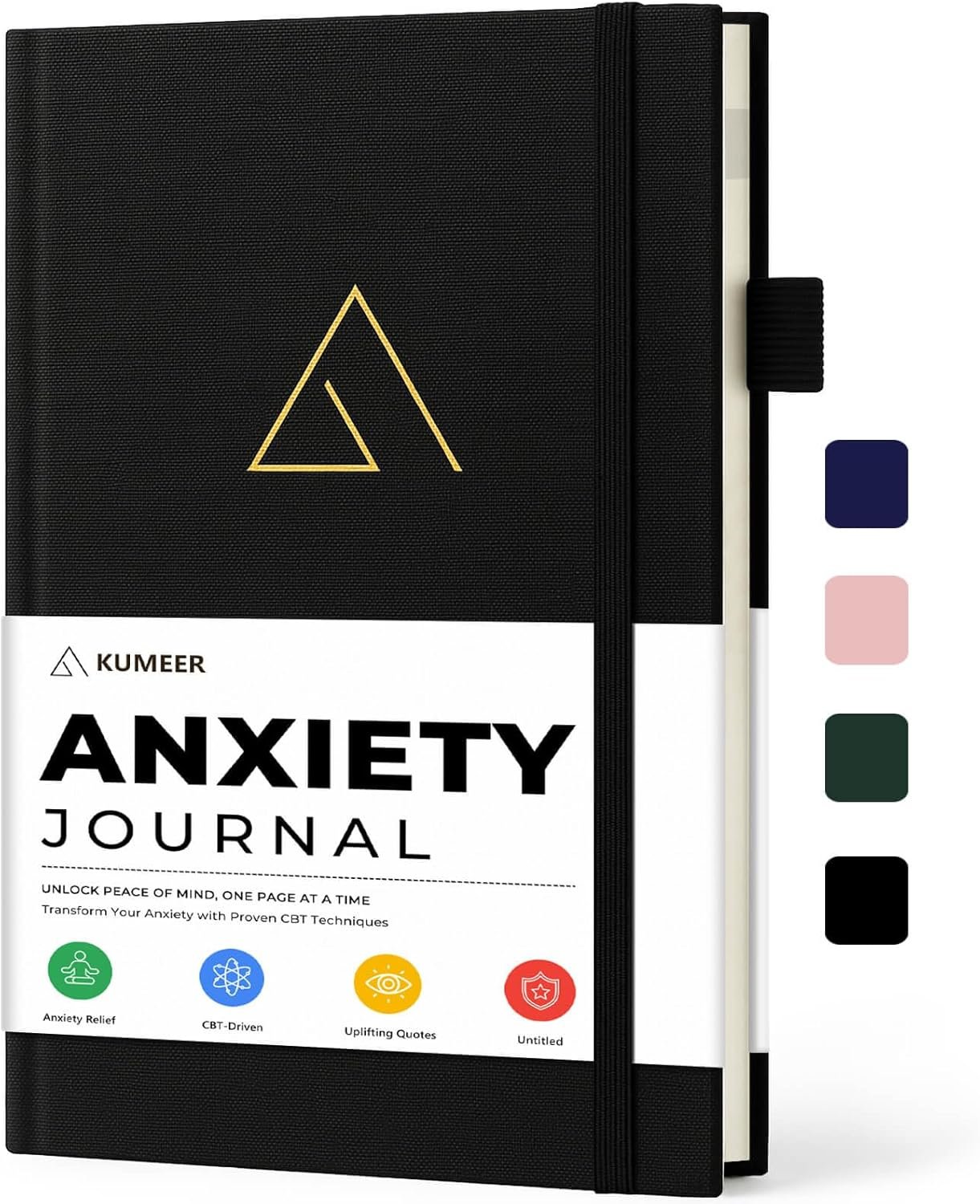 | Guided CBT notebook | Thought spirals and overthinking | Therapist-made CBT structure | | |
 | Fidget tool | Restless hands and anxious energy | Twistable tactile motion, easy to use | | |
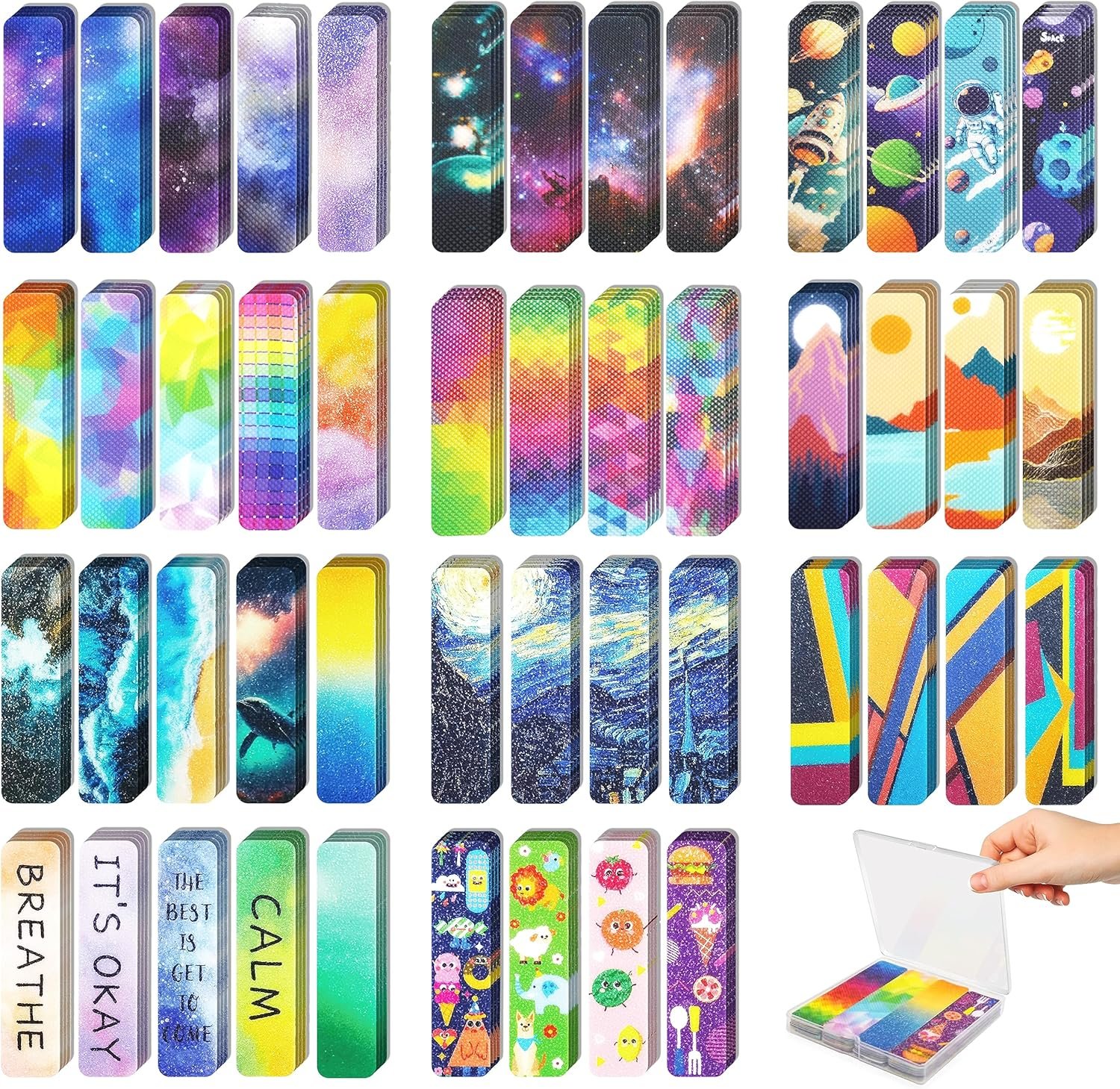 | Textured sensory stickers | Quiet, discreet grounding at work or school | Reusable, low-profile, always-there tactile cue | |
7) Smiling Mind
Smiling Mind is a strong pick for people who want a more practical, everyday “mental fitness” feel. The app is described as being designed by psychologists, with content organized around real needs like managing anxiety, sleeping better, enhancing focus, and building healthy habits; the broader organization is a nonprofit, and Lifeline’s overview notes the app includes hundreds of sessions and a mental fitness tracker.
This one makes sense if you want less of a luxury wellness feel and more of a straightforward practice-building tool. It is also one of the easier apps on this list to recommend when someone wants something suitable for adults, teens, or families.
8) UCLA Mindful
If you want a simple mindfulness app without a lot of extra layers, UCLA Mindful is worth knowing. UCLA Health describes it as a free app that lets you practice mindfulness meditation anywhere, and the page explicitly states that scientific research shows mindfulness can help manage stress-related conditions and reduce anxiety and depression.
This app is a good fit for someone who is overthinking partly because they want something simple, clean, and low-pressure. It does not try to be everything. That can be a real strength.
9) Rootd
If your overthinking tends to escalate into panic or near-panic, Rootd is one of the most relevant apps here. Its official materials highlight a “panic button,” breathing exercises, visualizations, journaling, lessons, and emergency-contact features, and both Google Play and the App Store position it specifically around anxiety and panic relief.
This makes Rootd especially useful for people whose spirals feel urgent and physical, not just mental. If your overthinking rapidly turns into “my body is freaking out,” Rootd is one of the apps most worth knowing about.
10) SAM
SAM, which stands for Self-help App for the Mind, is still one of the stronger toolkit-style apps in this space. Its official materials describe it as a nonprofit, community-backed wellbeing app informed by clinical best practice and academic research, and Mental Health America has highlighted it as one of the few apps that actually walks users through exposure-style work for anxiety.
That makes SAM especially interesting for people who want more than calming audio. It is a better fit for users who want self-help techniques, monitoring tools, and a more hands-on anxiety-management approach.
How to use these apps without making them another thing to overthink
You do not need to download all ten. In fact, that usually backfires. Harvard Health is clear that there is no one best app for everyone, and that different styles work for different people.
A better way to use this list is to match the app to the pattern:
- If you want CBT thought tools, start with MindShift CBT or SAM.
- If you want action prompts when you feel stuck, look at MoodMission.
- If you want guided mindfulness and sleep help, think Headspace, Calm, or Insight Timer.
- If you want free science-based mindfulness, start with Healthy Minds Program, Smiling Mind, or UCLA Mindful.
- If your spirals become panic-heavy, keep Rootd on your radar.
Do anxiety apps actually help?
They can help, especially as a support layer. Harvard Health notes that apps may be useful complements, but not full substitutes for therapy when someone is dealing with a real mental illness or more severe symptoms. NCCIH also says mindfulness and meditation may be helpful for stress and anxiety, which is relevant because many of the best-known apps in this space use those approaches.
That means apps are often best used in one of three ways: as a daily skill-building tool, as a between-session support tool if you are already in therapy, or as a low-friction first step if you are not ready for formal care yet. They are usually weakest when people expect one app to solve chronic anxiety on its own.
When an app is probably not enough
If overthinking and anxiety are affecting sleep, work, school, relationships, or your ability to function, it is worth looking beyond self-help alone. NIMH’s anxiety resources make clear that anxiety disorders can become severe enough to interfere with daily life and may need professional treatment.
If you are in immediate emotional distress, thinking about harming yourself, or feel like you might not stay safe, call or text 988 for the Suicide & Crisis Lifeline in the U.S. The service is free and available 24/7.
FAQ
What is the best app for overthinking specifically?
For pure thought-loop management, MindShift CBT is one of the strongest apps to know about because it is built around CBT tools for worry, stress, panic, and thought reframing. MoodMission is also useful when you need help turning mental noise into one clear action.
What is the best free app for overthinking and anxiety?
The strongest free options on this list are MindShift CBT, Healthy Minds Program, UCLA Mindful, and Smiling Mind. All four clearly present themselves as free, and each offers a different angle: CBT, structured science-based training, simple mindfulness, or practical mental-fitness routines.
Which app is best if my anxiety gets worse at night?
If your overthinking turns into bedtime rumination, Calm and Headspace are the two most obvious awareness apps to know about because both heavily feature sleep content, wind-down tools, and guided nighttime resources. Insight Timer is also worth knowing if you want a large free sleep and meditation library.
Are meditation apps enough for severe anxiety?
Usually not by themselves. They can be useful support tools, but Harvard Health cautions that apps are better seen as complementary tools than full replacements for therapy when symptoms are more serious or persistent.
What if I overthink so much that even choosing an app feels stressful?
Start with the simplest match, not the “perfect” one. If you want structure, try MindShift CBT. If you want calming guidance, try Headspace or Calm. If you want something free and science-forward, start with Healthy Minds Program or UCLA Mindful. Harvard Health’s point still applies here: there is no one perfect app for everyone.
Other Interesting Articles
- Free Therapy Worksheets at Paul Wellness
- 10 of the Best Anxiety Relief Products
- Best Journal for Overthinkers
- Best Books for Overthinking
About the Author
Paul Wellness
Paul Wellness is a mental-health professional and writer dedicated to helping individuals and couples strengthen relationships through evidence-based insight and emotional growth. Combining therapeutic expertise with practical tools, Paul Wellness empowers readers to create trust, connection, and lasting love.
Final takeaway
The best apps to reduce overthinking and anxiety are not just the most famous ones. They are the ones that match the kind of spiral you actually have. If your problem is thought loops, lean toward CBT tools like MindShift CBT or SAM. If your problem is nervous-system overload or bedtime spiraling, look harder at Calm, Headspace, or Rootd. If you want a strong free mindfulness option, Healthy Minds Program, Smiling Mind, UCLA Mindful, and Insight Timer are all worth knowing about.
The most useful next step is not downloading ten apps and hoping one saves you. It is picking one that fits your pattern and using it consistently enough to see whether it actually helps.