 by
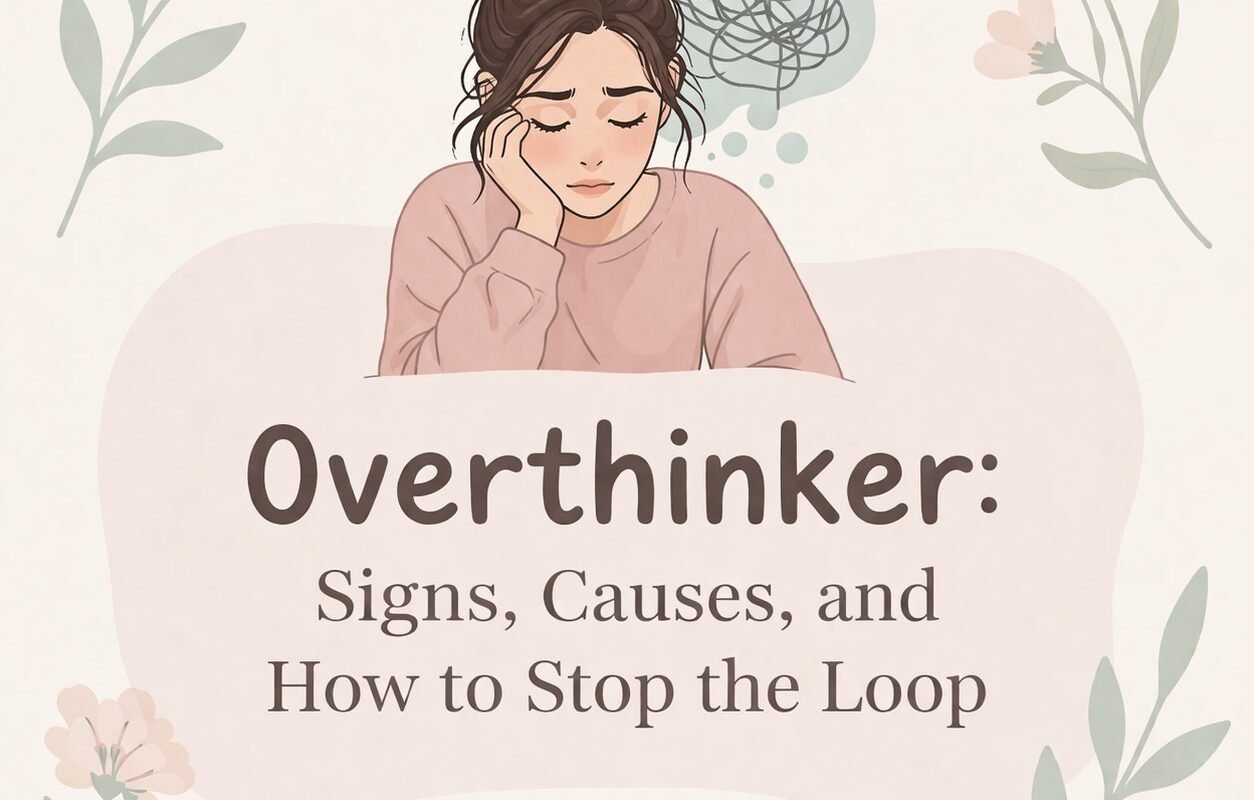
by An overthinker is someone who gets stuck in repetitive, unhelpful mental loops. That can look like replaying conversations, second-guessing decisions, imagining worst-case scenarios, or trying to think your way into certainty. GoodRx describes overthinking as dwelling on or worrying about the same thing repeatedly, and Cleveland Clinic says it often focuses on the negative, the past, and the future instead of leading to real resolution.
If that sounds familiar, the most important thing to know is this: being an overthinker does not mean you are broken, weak, or doomed to live in your head forever. It usually means your mind has learned a habit that feels protective, even though it often creates more stress than clarity. Psyche’s guide on overthinking makes this point directly, noting that many people experience overthinking as both a problem and a coping strategy at the same time.
Best Books for Overthinking: Comparison Table
Feature | ||||||||
|---|---|---|---|---|---|---|---|---|
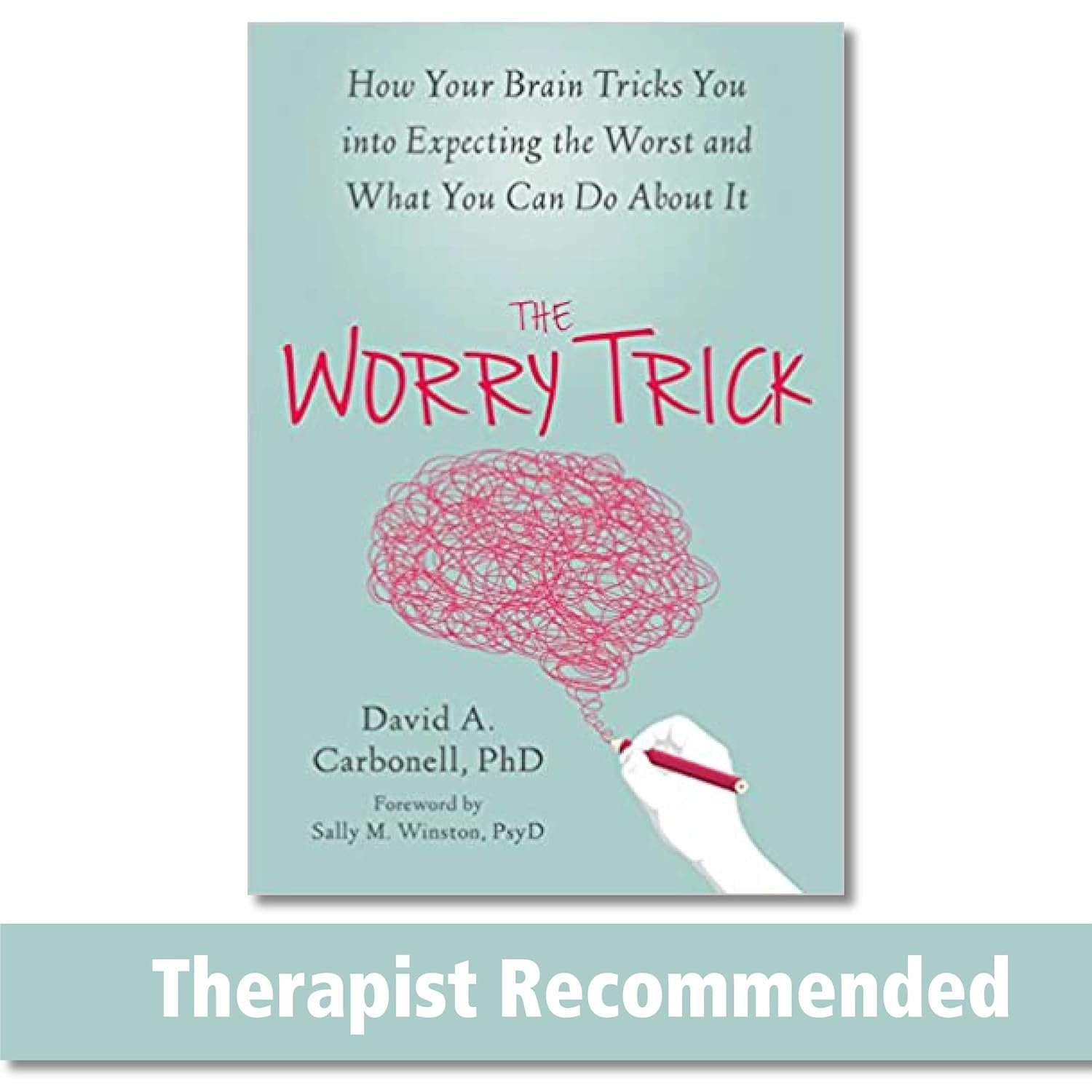 | 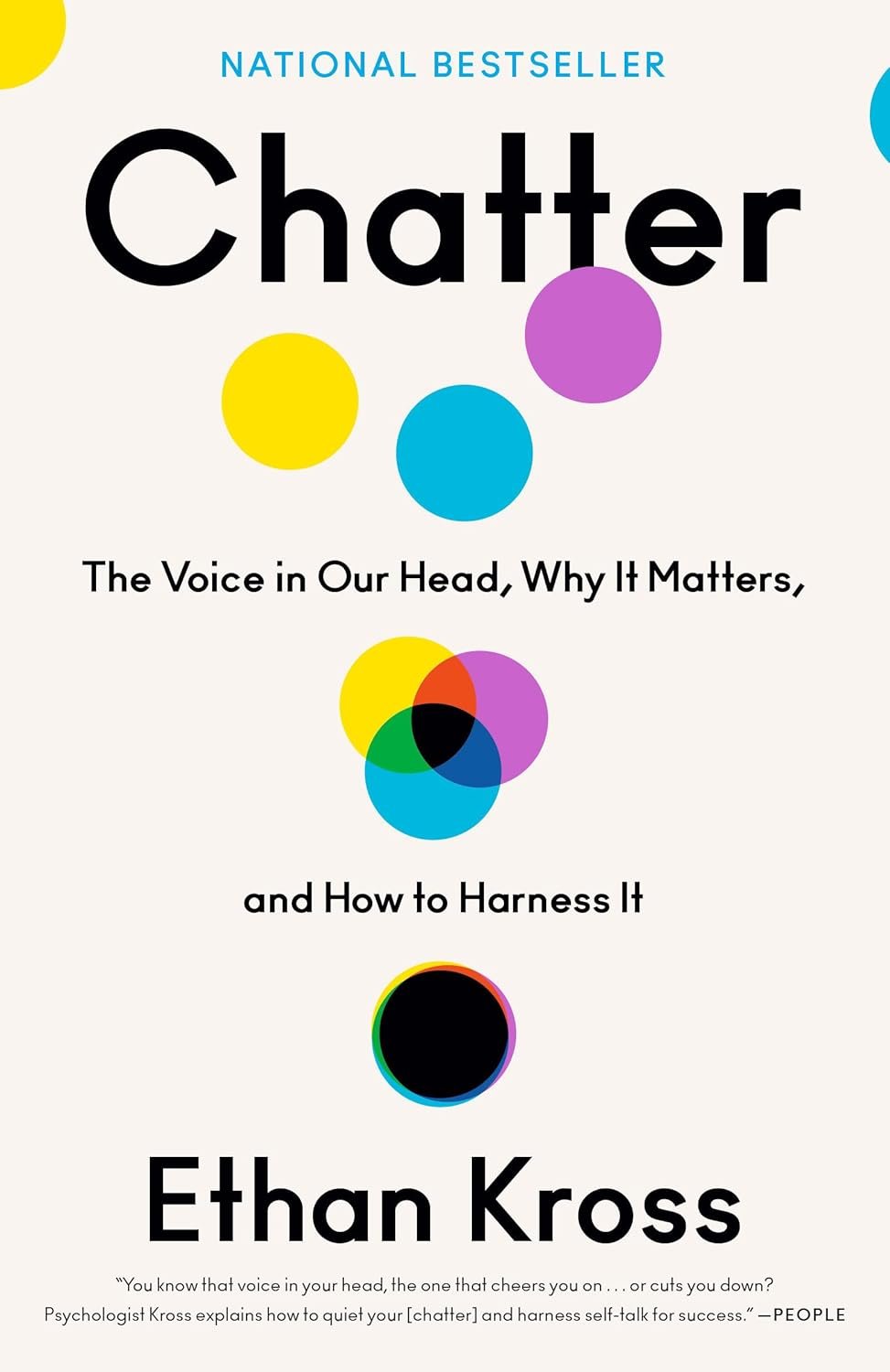 | 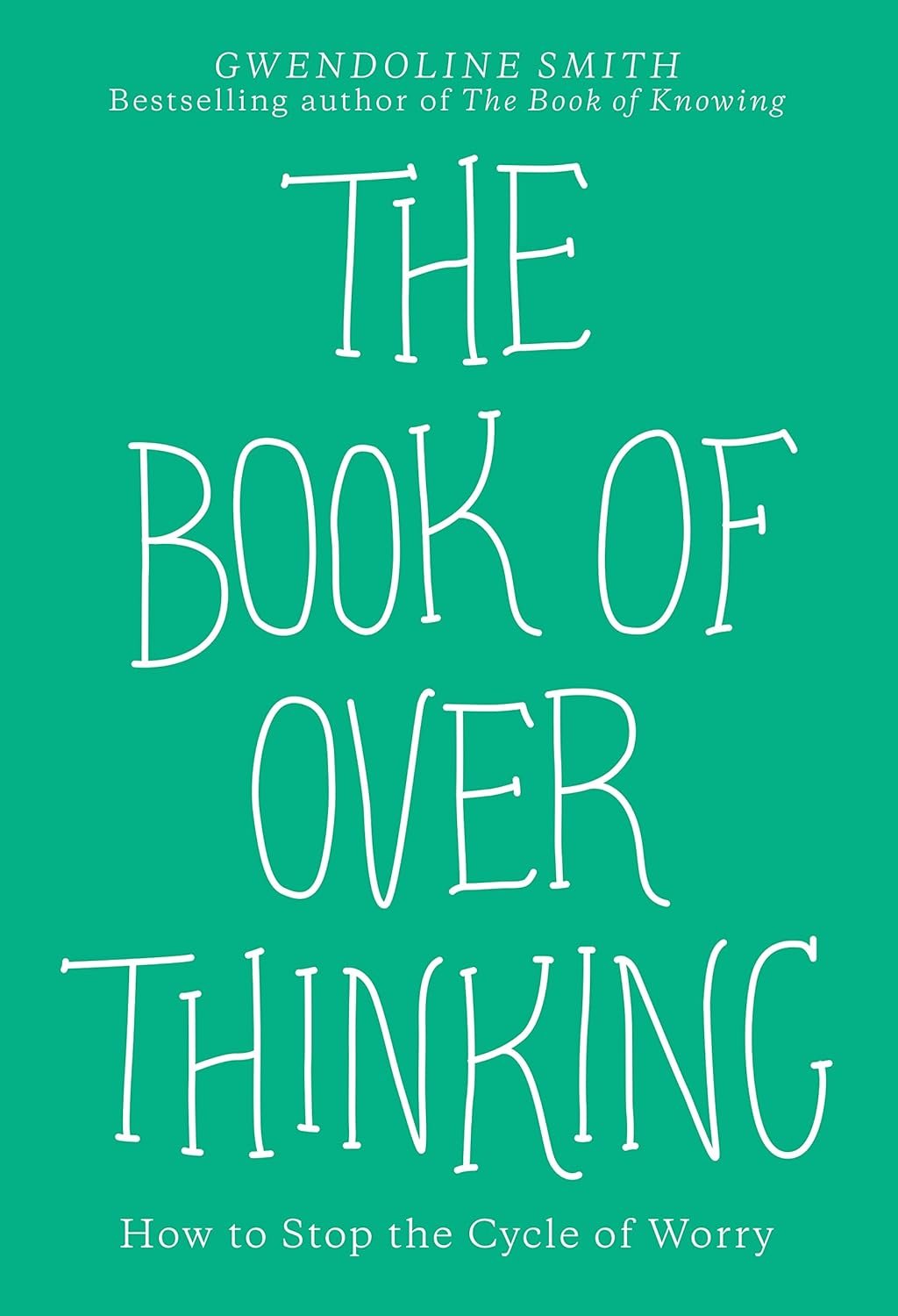 | 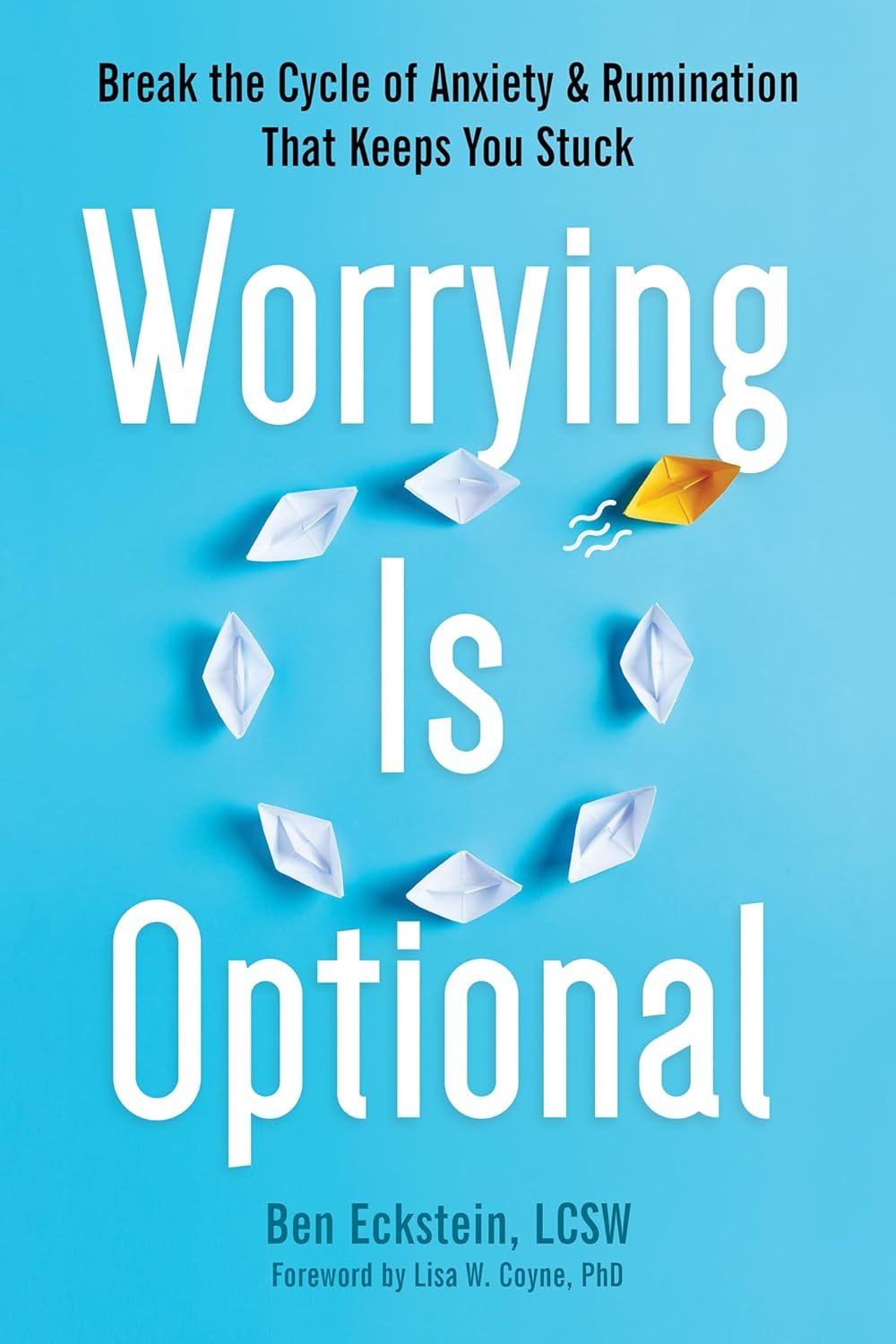 | 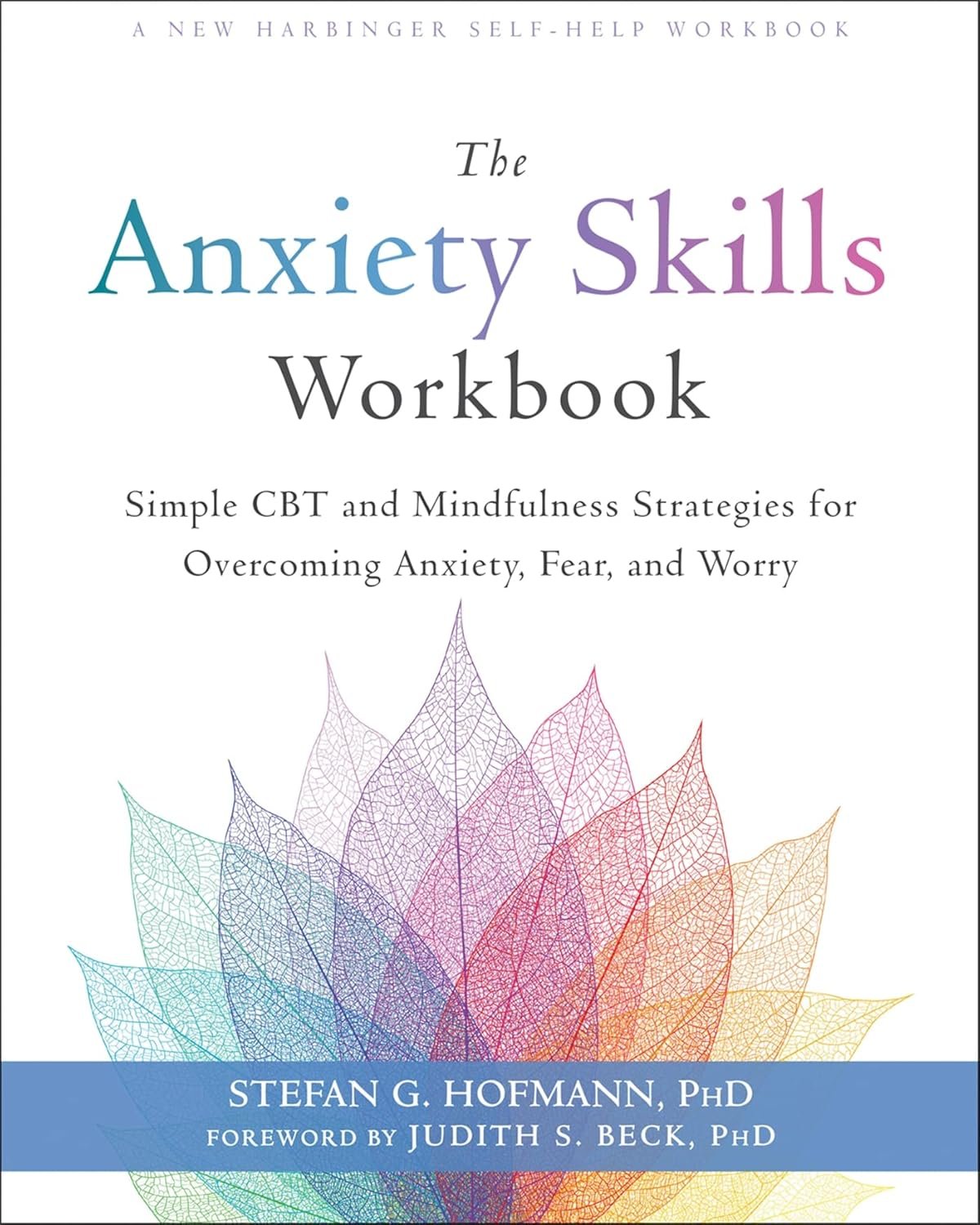 | 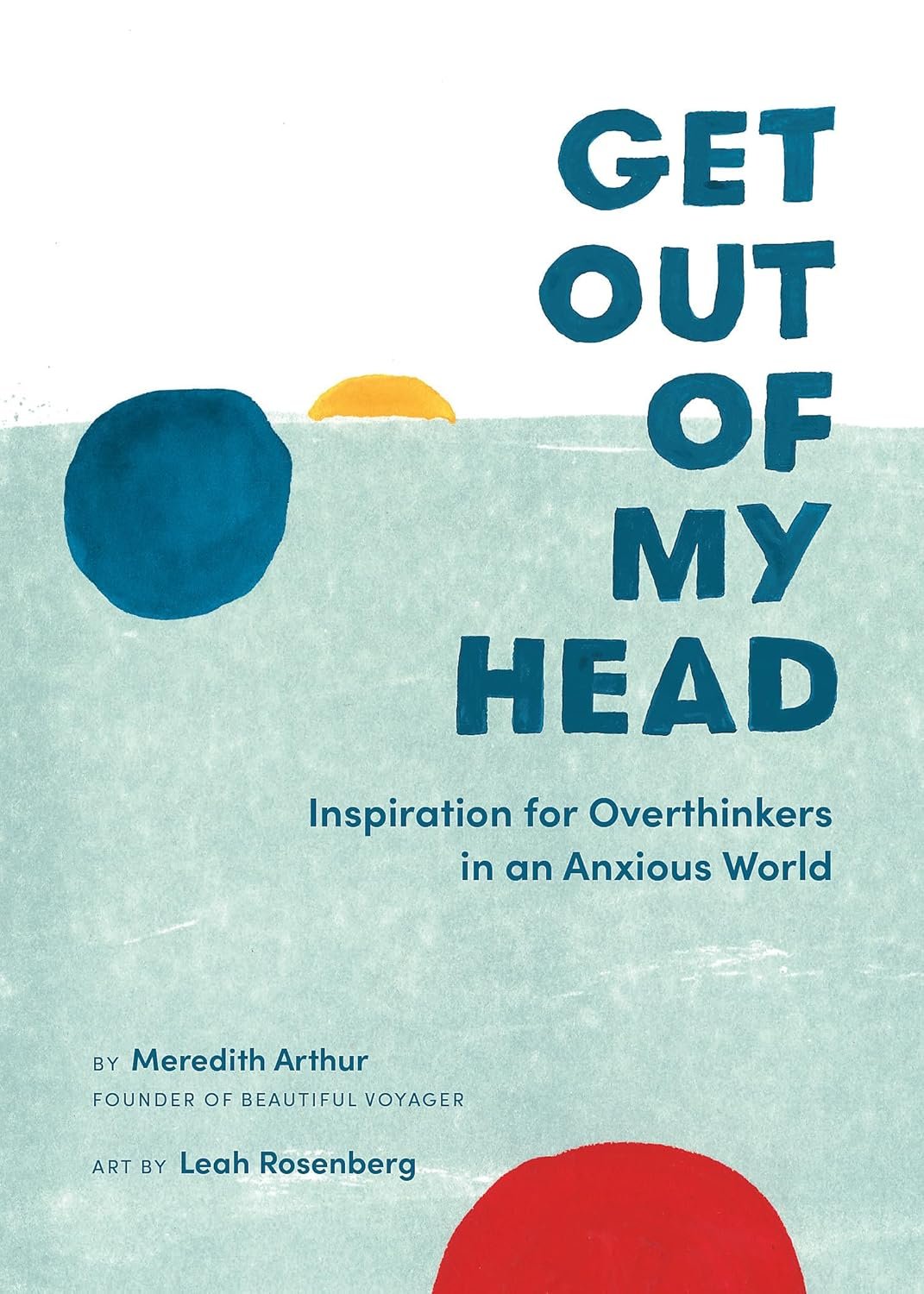 | 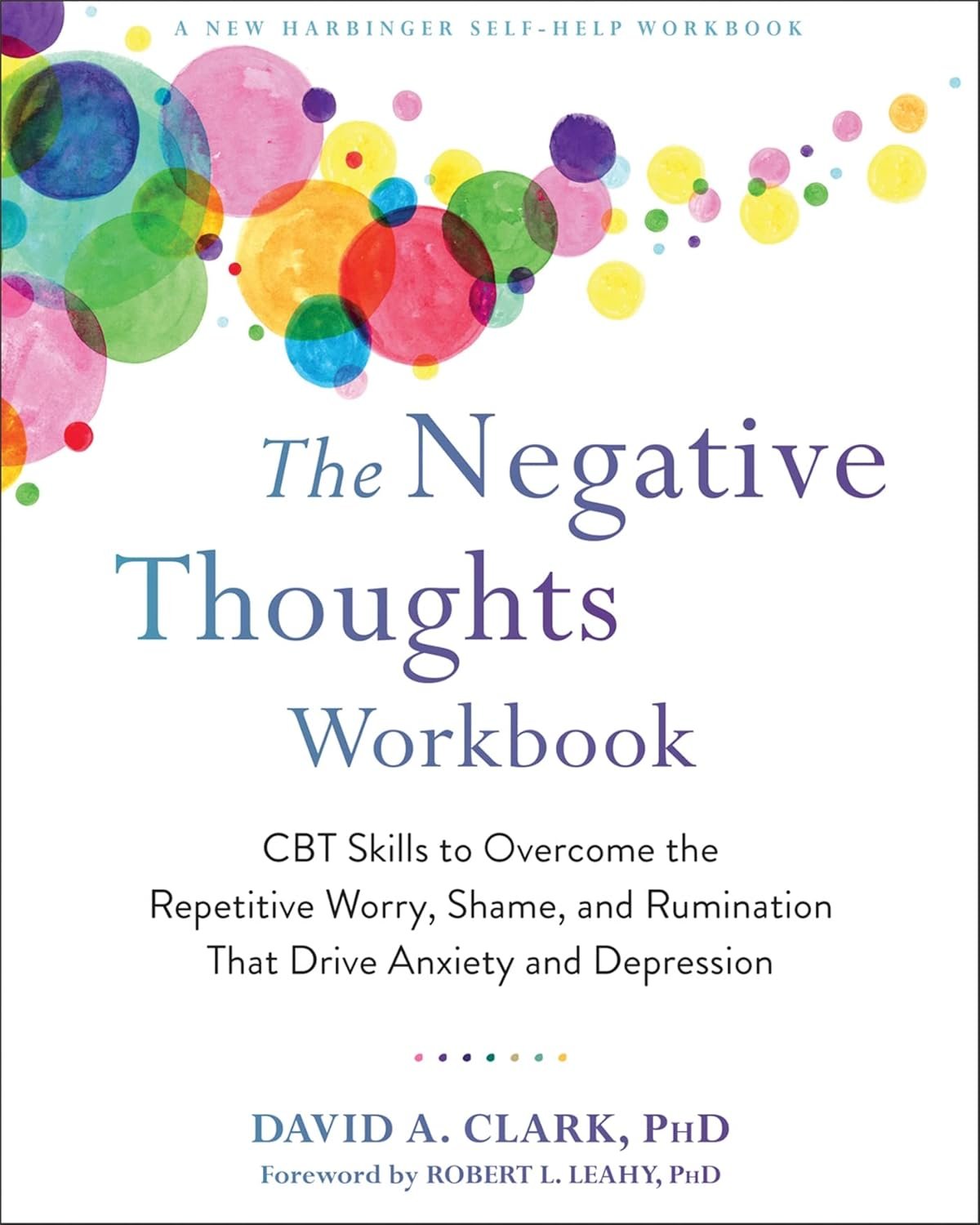 | 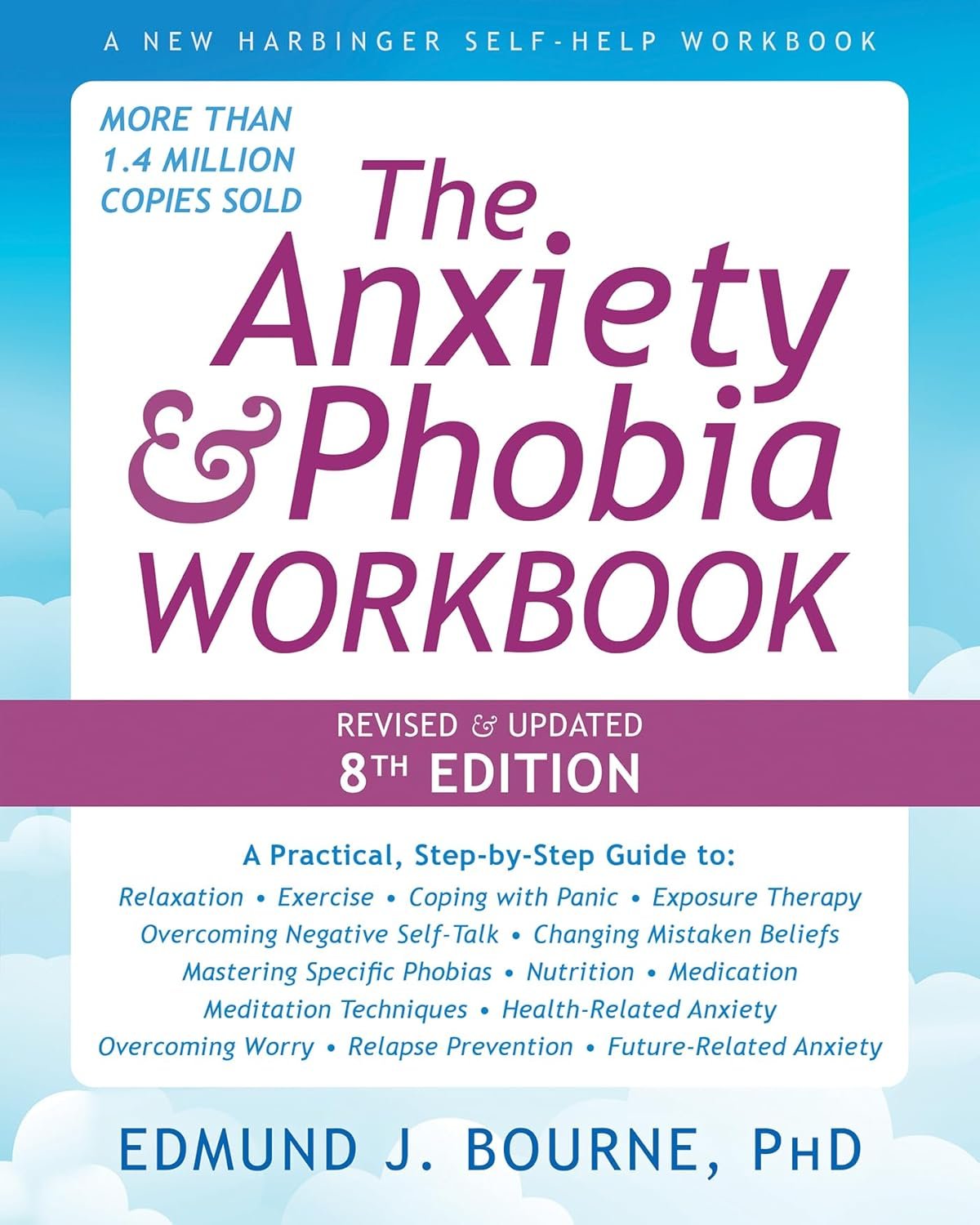 | |
Author | David A. Carbonell, PhD | Ethan Kross, PhD | Gwendoline Smith | Ben Eckstein, PhD | Stefan G. Hofmann, PhD | Meredith Arthur | David A. Clark, PhD | Edmund J. Bourne, PhD |
Best for | Chronic worry and worst-case thinking | Mental chatter and self-talk spirals | General overthinking in daily life | Rumination plus uncertainty | Structured CBT practice | Gentle support for anxious overthinkers | Repetitive negative thoughts | Deep, comprehensive anxiety work |
Style | Practical therapist-led guide | Research-driven popular psychology | Very on-topic, accessible self-help | Newer evidence-based guide | Workbook | Illustrated, relatable guide | Workbook | Large, classic workbook |
Best if you want | To understand why worry hooks you | Science-backed tools for inner voice | A book that speaks directly to overthinking | A newer anti-worry framework | Exercises, not just insight | Something warm and non-intimidating | A focused rumination workbook | The most comprehensive toolkit |
Most useful mood | “My brain always expects the worst” | “My inner voice won’t shut up” | “I overthink everything” | “I keep looping and can’t drop it” | “I want homework and skill drills” | “I need help without dense jargon” | “I keep replaying negative thoughts” | “I want one big reference book” |
Price |  | | | | | | | |
Why this matters
People usually do not search overthinker because they are casually curious. They search it because their mind is exhausting them. Rumination, repetitive negative thinking, and constant worry can make it harder to sleep, decide, focus, relax, and move on from normal life events. The American Psychiatric Association describes rumination as repetitive dwelling on negative feelings and their causes and consequences, and notes that it can contribute to anxiety or depression and worsen existing conditions.
That is why a good article for this keyword cannot stop at “you think too much.” A real overthinker guide has to help the reader recognize the pattern, understand why it happens, and know what to do next. That is what the strongest ranking pages are trying to do, even if many of them stay too surface-level.
What is an overthinker, really?
The simplest definition is this: an overthinker is someone whose thinking keeps going past the point of usefulness. You are no longer solving a problem. You are circling it. Cleveland Clinic draws this distinction clearly, saying problem-solving is productive, while overthinking means going over and over a problem without real resolution.
That is why overthinking often feels busy but not helpful. You can spend an hour mentally reviewing a text, a conversation, or a decision and still end up with no clearer next step than when you started. Verywell Mind and GoodRx both describe this stuck, indecisive quality as a hallmark of overthinking.
Recommended Books for Overthinking
- If your mind always goes to worst-case scenarios, start with The Worry Trick.
- If your issue is nonstop inner narration, start with Chatter.
- If you want the book that speaks most directly to overthinking, start with The Book of Overthinking.
- If you want a newer anti-rumination framework, start with Worrying Is Optional.
- If you want exercises and structured practice, start with The Anxiety Skills Workbook or The Negative Thoughts Workbook.
- If you want something gentler and less clinical, start with Get Out of My Head.
- If you want one big, comprehensive reference, start with The Anxiety and Phobia Workbook.
Signs you may be an overthinker
Most overthinkers recognize themselves in a few patterns right away:
- you second-guess even small decisions
- you replay past conversations and events
- you imagine worst-case outcomes automatically
- you struggle to let things go
- you feel tense, restless, or mentally “on” all the time
- you have trouble falling asleep because your brain keeps going
- you ask for reassurance and still do not feel settled afterward
Psych Central’s older but still widely cited “Signs You Are an Overthinker” list includes second-guessing, catastrophizing, insomnia, perfectionism, and difficulty letting things go. GoodRx and Verywell Mind describe many of the same patterns, especially feeling stuck, overwhelmed, and unable to take action.
Overthinker vs thoughtful person
This is where many articles get sloppy. Being thoughtful is not the same as being an overthinker.
A thoughtful person reflects, considers options, and then moves. An overthinker reflects, considers options, reconsiders them, worries about the wrong one, imagines how it could go badly, then often freezes. Cleveland Clinic’s distinction between problem-solving and overthinking is useful here: one leads to action, the other leads back into the same loop.
A good rule is this: if more thinking does not create a clearer next step, you are probably not solving anymore. You are looping. That idea is consistent across Cleveland Clinic, Verywell Mind, and GoodRx.
Why some people become overthinkers
Overthinking often starts as a way to feel safer. Your brain learns that if it reviews the problem long enough, maybe you will avoid mistakes, embarrassment, pain, or uncertainty. Psyche describes this as one of the traps of overthinking: people often believe worry and rumination are helping them stay prepared or in control, even when those habits are actually increasing tension and anxiety.
Stress, anxiety, and depression can all feed this pattern. Cleveland Clinic says overthinking can be a symptom of stress, anxiety, or depression, and GoodRx notes that overthinking can both stem from and contribute to mental health conditions. NIMH also explains that anxiety disorders involve more than occasional worry and can interfere with daily life and routine activities.
Some overthinkers are more past-focused. They replay what happened, what they said, and what they should have done differently. Others are more future-focused and get trapped in “what if” scenarios. GoodRx describes these as the two main buckets of overthinking: ruminating about the past and worrying about the future.
Recommended Products for Overthinking
Product | Type | Best for | What stands out | Price | |
|---|---|---|---|---|---|
 | Weighted blanket | Bedtime anxiety and restless sleep | Deep-pressure comfort, premium build, removable cover | | |
 | Weighted sleep mask | Nighttime racing thoughts and travel | Gentle weighted pressure around eyes and temples, strap-free design | | |
 | Diffuser | Wind-down routines and calming sensory cues | Compact size, mist modes, waterless auto-off | | |
 | Acupressure mat | Stress that shows up as body tension | Very direct physical reset, especially for back and shoulders | | |
 | Heated massager | Tight neck, shoulders, and upper back | Deep kneading plus heat | | |
 | Hot/cold mask | Forehead, eye-area, and facial tension | Flexible hot/cold relief and easy repeat use | | |
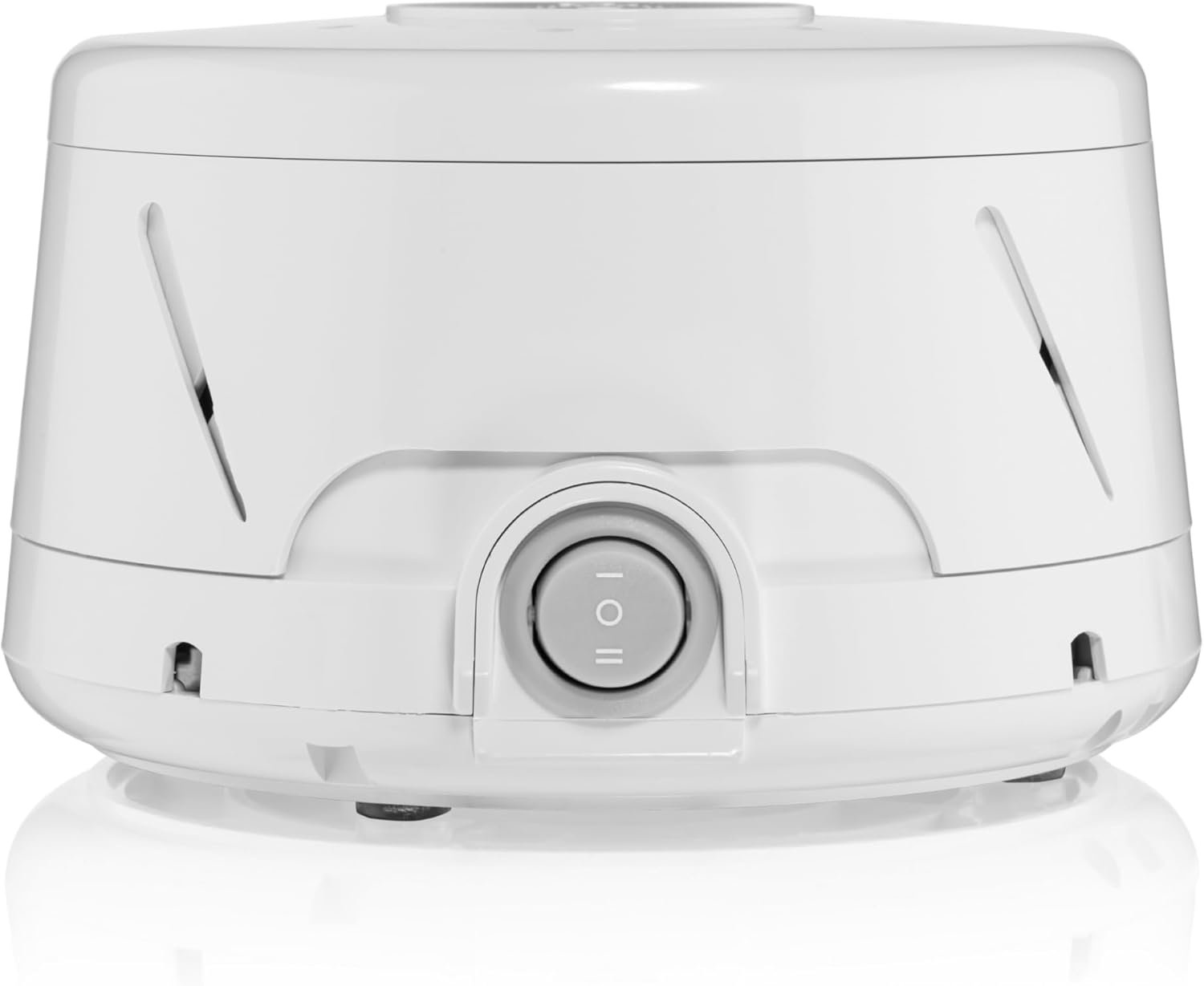 | White noise machine | Noise-sensitive sleepers and overstimulated brains | Real fan-based, non-looping sound | | |
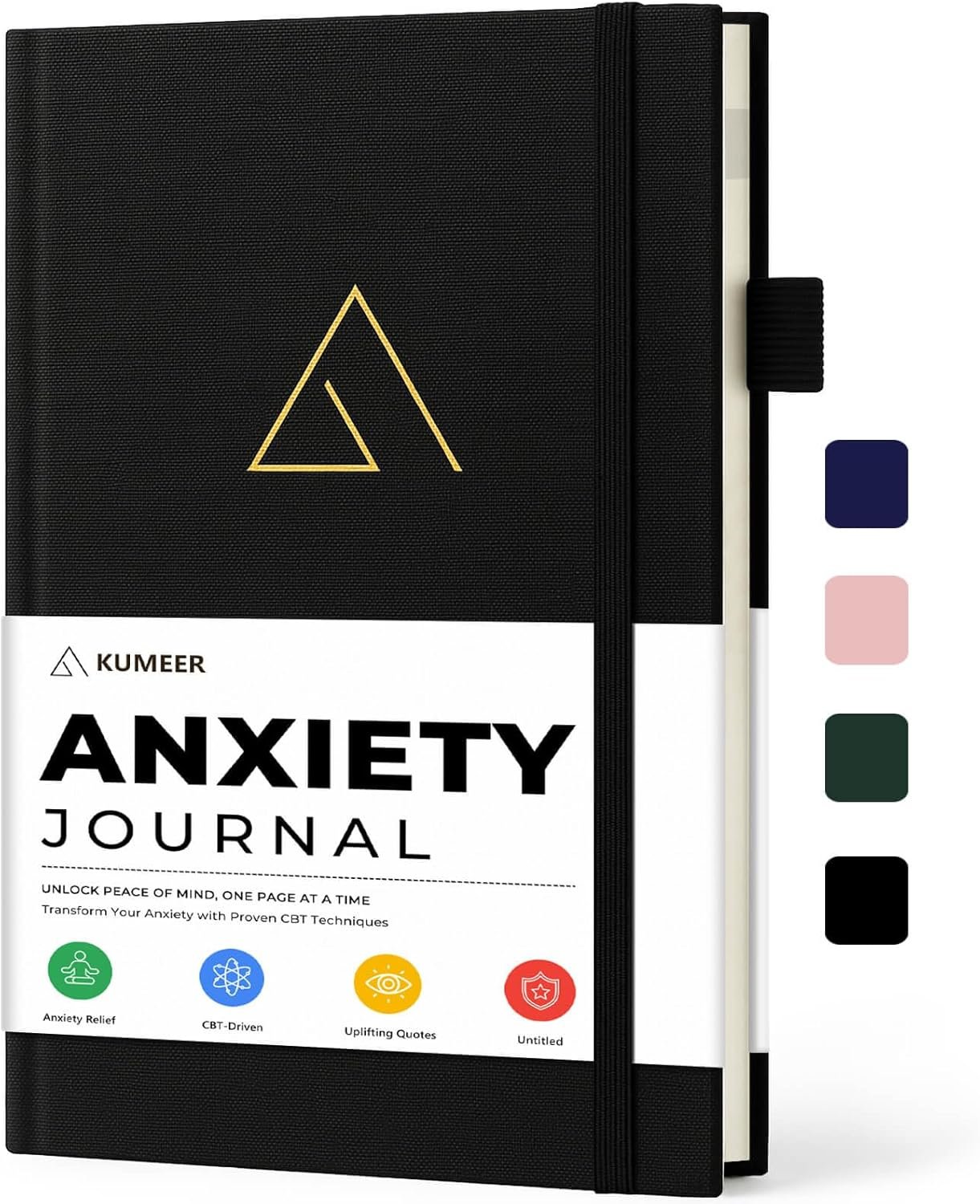 | Guided CBT notebook | Thought spirals and overthinking | Therapist-made CBT structure | | |
 | Fidget tool | Restless hands and anxious energy | Twistable tactile motion, easy to use | | |
 | Textured sensory stickers | Quiet, discreet grounding at work or school | Reusable, low-profile, always-there tactile cue | |
How to stop being an overthinker
You usually do not stop being an overthinker by having one brilliant insight. You stop by changing what you do when the loop starts.
1. Name the loop quickly
One of the most helpful first steps is simply saying, “I’m overthinking right now.” That label creates distance. It turns the thought from a fact into a pattern. Verywell Mind emphasizes recognizing unhelpful thought patterns before they spiral out of control, and Cleveland Clinic notes that people often do not even realize when they are spiraling until they learn to spot it.
2. Separate real problems from hypothetical worries
NHS Every Mind Matters recommends using “worry time” and a “worry tree” to sort out the difference between worries you can solve and hypothetical worries that are beyond your control. This is one of the most effective shifts for an overthinker because it stops every thought from getting treated like an emergency.
Ask yourself:
Is this happening now?
Can I do anything useful about it today?
What is the next step?
If there is no real next step, more thinking is probably not helping.
3. Use worry time instead of worrying all day
NHS recommends setting aside a short “worry time,” around 10 to 15 minutes, to write worries down and think them through there, instead of letting them take over the whole day. It also suggests telling yourself, “I’ll set that aside for my worry time,” when worries pop up outside that window.
This works because it teaches your brain that a thought can exist without getting your full attention right now. NHS says it can feel difficult at first, but it usually gets easier with practice.
4. Challenge the scariest version of the story
Overthinkers often treat the worst interpretation like the most realistic one. Cleveland Clinic recommends challenging negative thoughts by asking whether they are helpful, what evidence supports them, and whether there is an alternative possibility. Verywell Mind similarly points to challenging negative assumptions before they spiral.
That does not mean forcing fake positivity. It means aiming for a more balanced read of the situation.
5. Stop feeding the loop with checking and reassurance
A big reason overthinking sticks is because of what happens after the thought. You reread the text, replay the conversation, search for more certainty, or ask more people what they think. Psyche notes that reassurance-seeking, threat monitoring, and excessive planning can actually maintain overthinking instead of reducing it.
A useful test is this: if something gives relief for a few minutes but keeps the bigger loop alive for hours, it is probably part of the overthinking cycle.
6. Get back into your body
When you are deep in your head, body-based calming can help more than more analysis. NHS recommends strategies like exercise, yoga, breathing, mindfulness, and meditation to bring you back to the present moment. Cleveland Clinic also recommends grounding techniques to interrupt spiraling and help you refocus.
You do not need a dramatic routine. A slow exhale, a walk, stretching your jaw and shoulders, or focusing on what you can see and hear can be enough to break the mental trance.
7. Set a decision deadline
Houston Methodist points out that the more time you allow yourself to think through a decision, the likelier you are to overanalyze it. Their guidance recommends setting a decision deadline, taking breaks, and focusing on what you can control rather than endlessly circling the unsolvable parts.
This matters because many overthinkers secretly wait for a feeling of perfect certainty that never comes. A deadline helps you stop negotiating with your own mind forever.
8. Take one imperfect action
Overthinking loves delay. Action weakens it. Even a small step can shift you out of mental rehearsal and back into real life. Cleveland Clinic recommends focusing on what you can control and developing a concrete plan, while GoodRx notes that overthinking often leaves people frozen with inaction.
That means the better question is often not “What is the perfect answer?” but “What is the smallest useful step I can take next?”
What usually makes overthinking worse
Some things reliably make an overthinker’s mind louder:
- sleep loss
- chronic stress
- perfectionism
- too much downtime spent looping
- social media and constant news intake
- caffeine or alcohol for some people
- putting off decisions for too long
Cleveland Clinic specifically notes that too much social media or news consumption can feed anxiety, and that caffeine or alcohol can increase it too.
When being an overthinker may mean you need more support
Overthinking itself is not a formal mental disorder, but that does not mean it is harmless. Cleveland Clinic says it can interfere with daily life, sleep, and functioning, and NIMH notes that anxiety disorders involve more than occasional worry and can disrupt work, school, relationships, and routine activities.
If you cannot control the worry, if you are losing sleep regularly, or if your life keeps getting smaller because of indecision, avoidance, panic, or constant rumination, it may be time to talk with a mental health professional. Cleveland Clinic specifically identifies CBT as an effective treatment for overthinking, and says it can help people recognize spirals, challenge negative thoughts, and build a healthier coping toolkit.
FAQ
Is an overthinker the same as an anxious person?
Not always, but there is a lot of overlap. Anxiety disorders involve more than occasional worry, and overthinking can be one way anxiety shows up. Cleveland Clinic also notes that overthinking is commonly connected to anxiety.
Is being an overthinker a personality trait?
It can feel like one, but it is more useful to think of it as a learned mental habit. Psyche’s guide treats overthinking as a changeable pattern, not a fixed identity.
Can overthinkers change?
Yes. The strongest clinical guidance points toward skills like worry time, thought-challenging, grounding, decision deadlines, and therapy tools like CBT. These are all meant to reduce the power of the loop over time.
What is the biggest sign you are an overthinker?
One of the clearest signs is that your thinking stops being useful and starts becoming repetitive. Psych Central lists second-guessing, catastrophizing, insomnia, perfectionism, and not being able to let things go as common signs.
What helps an overthinker the fastest?
Usually, the fastest pattern interrupt is to label the loop, separate solvable worries from hypothetical ones, ground yourself in the present, and take one small step. That approach lines up closely with NHS and Cleveland Clinic guidance.
Other Interesting Articles
- Free Therapy Worksheets at Paul Wellness
- 10 of the Best Anxiety Relief Products
- Best Journal for Overthinkers
- Best Books for Overthinking
About the Author
Paul Wellness
Paul Wellness is a mental-health professional and writer dedicated to helping individuals and couples strengthen relationships through evidence-based insight and emotional growth. Combining therapeutic expertise with practical tools, Paul Wellness empowers readers to create trust, connection, and lasting love.
Final takeaway
An overthinker is not just someone who thinks deeply. It is someone whose mind keeps going past usefulness and gets stuck in loops of replaying, predicting, doubting, and searching for certainty. The way out is not to think harder. It is to notice the loop sooner, stop feeding it, and return to one real step in front of you.