 by
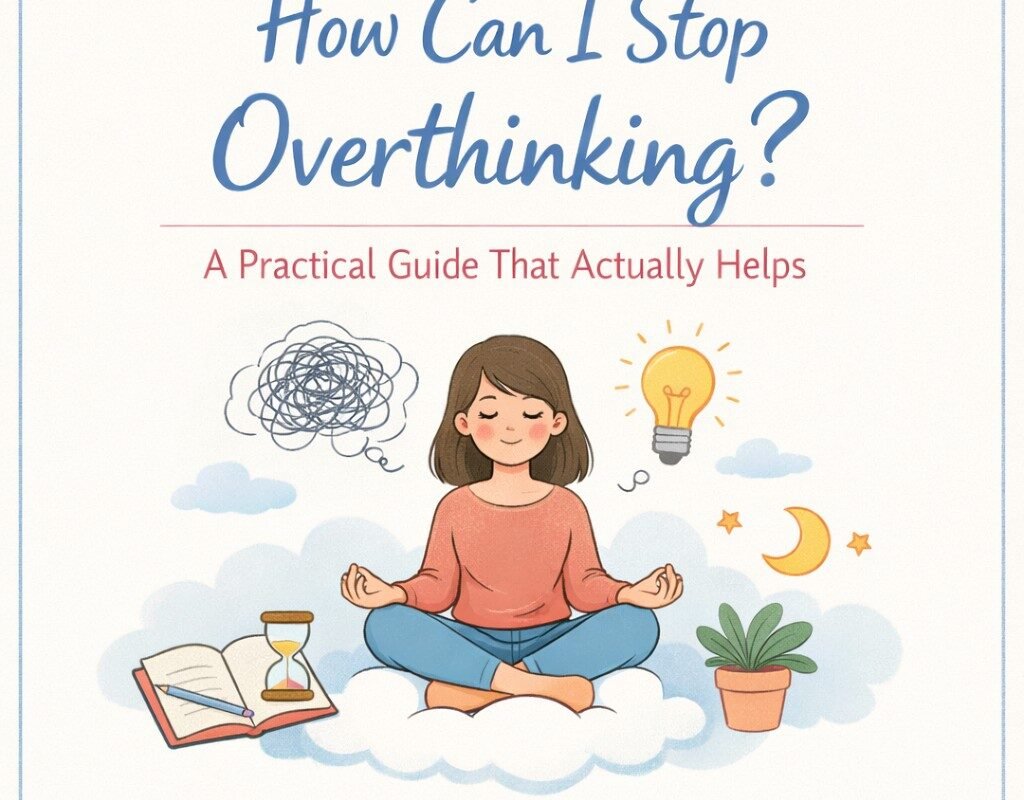
by If you are asking how can I stop overthinking, start here: do not try to beat the loop by thinking harder. Notice the loop, separate real problems from hypothetical fears, contain the worry instead of giving it the whole day, calm your nervous system, and take one small action in real life. That works better than replaying the same thought until you feel completely certain.
Overthinking feels productive because it sounds like preparation. But when your mind keeps circling without leading to a useful next step, it usually creates more tension, indecision, poor sleep, and mental fatigue instead of solving anything. Excessive, hard-to-control worry can also overlap with anxiety, especially when it comes with restlessness, trouble concentrating, irritability, muscle tension, or sleep problems.
Best Books for Overthinking: Comparison Table
Feature | ||||||||
|---|---|---|---|---|---|---|---|---|
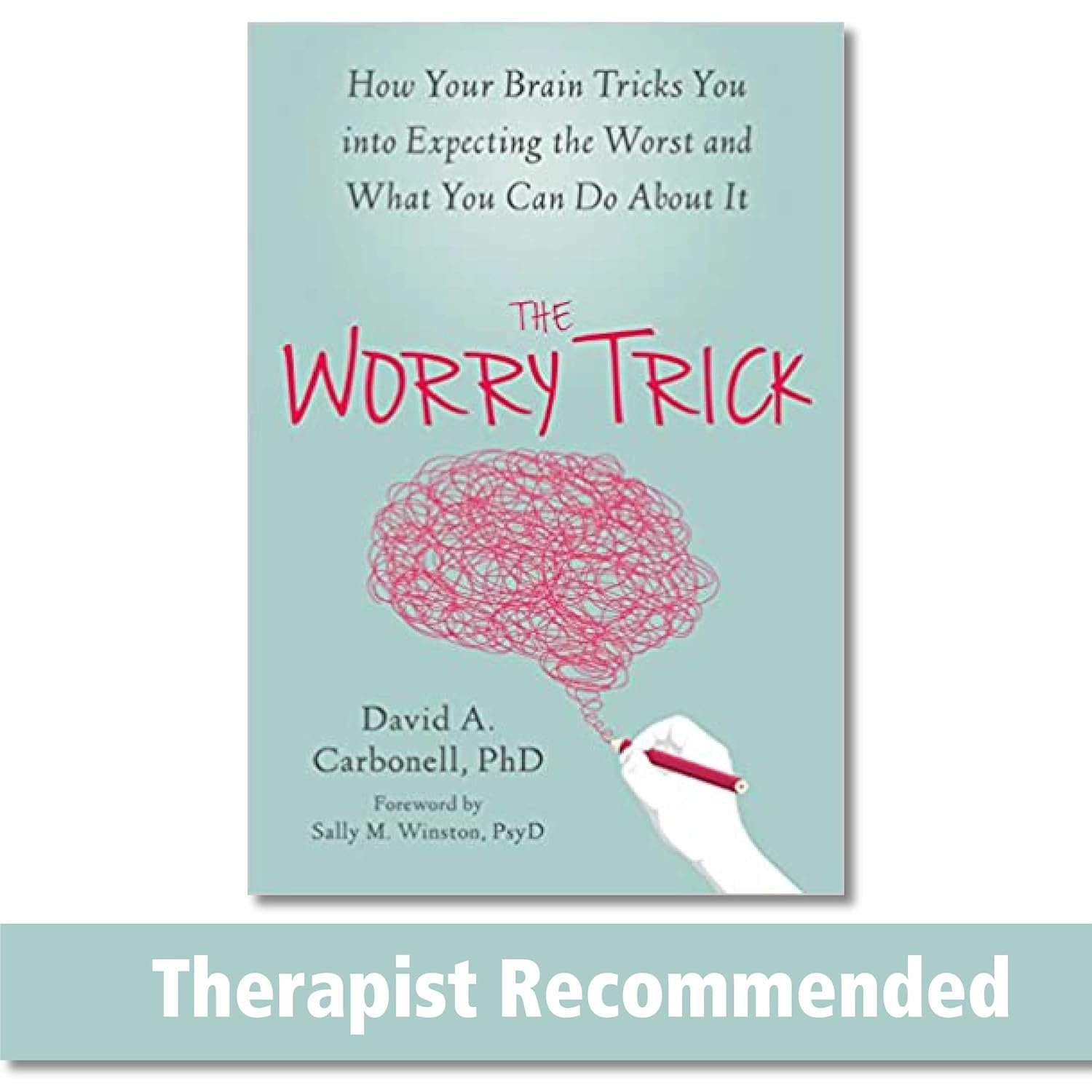 | 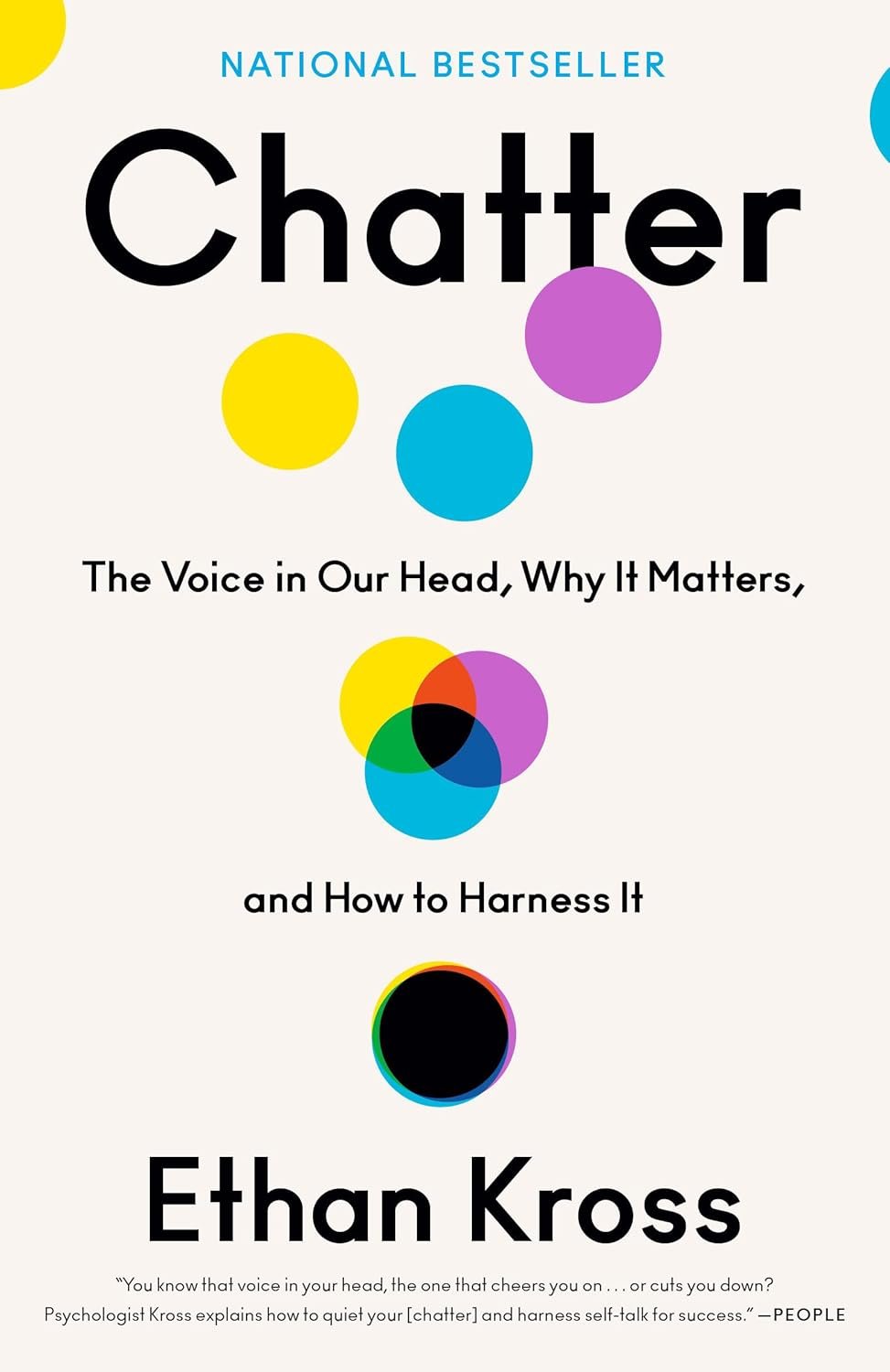 | 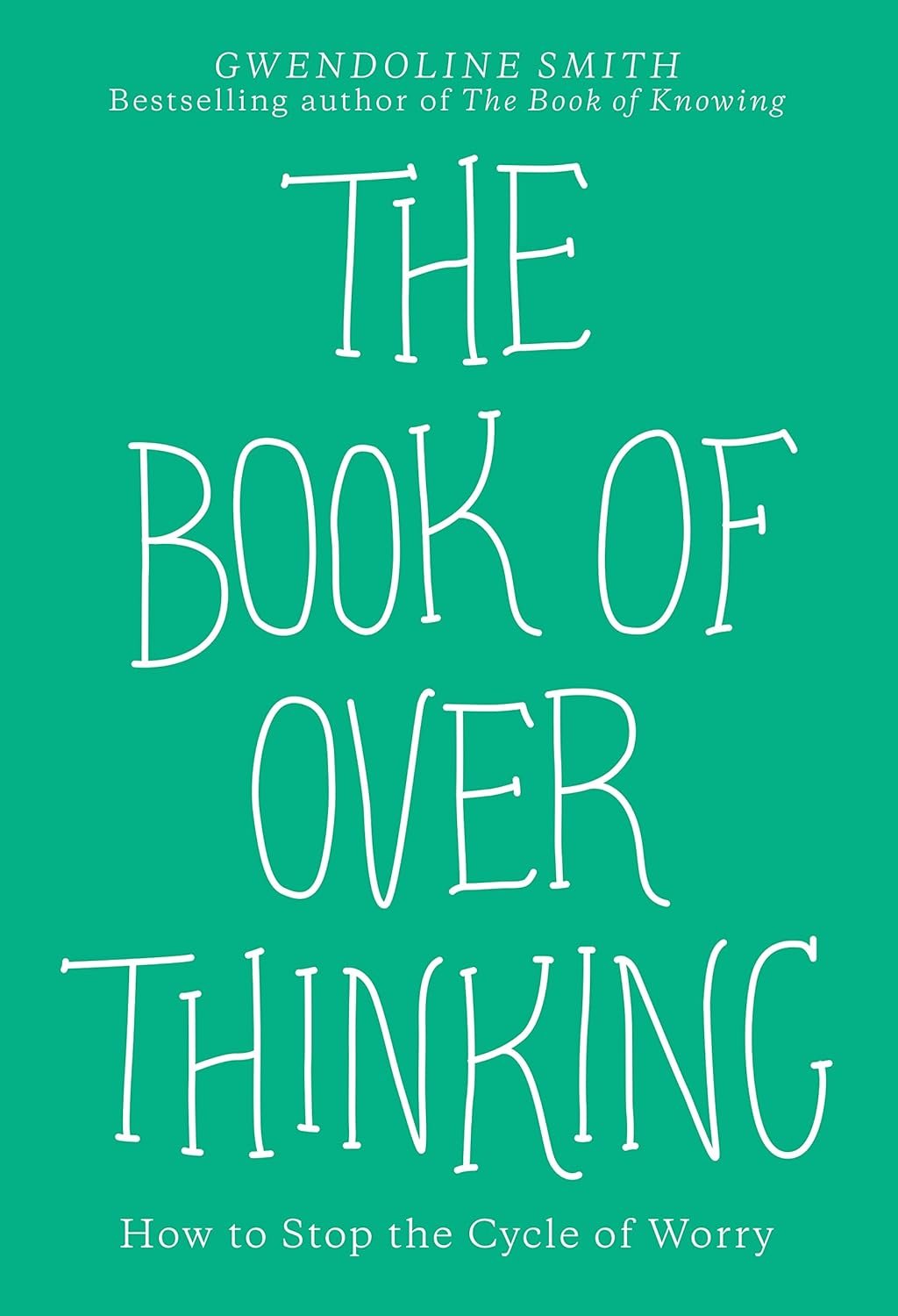 |  |  |  |  |  | |
Author | David A. Carbonell, PhD | Ethan Kross, PhD | Gwendoline Smith | Ben Eckstein, PhD | Stefan G. Hofmann, PhD | Meredith Arthur | David A. Clark, PhD | Edmund J. Bourne, PhD |
Best for | Chronic worry and worst-case thinking | Mental chatter and self-talk spirals | General overthinking in daily life | Rumination plus uncertainty | Structured CBT practice | Gentle support for anxious overthinkers | Repetitive negative thoughts | Deep, comprehensive anxiety work |
Style | Practical therapist-led guide | Research-driven popular psychology | Very on-topic, accessible self-help | Newer evidence-based guide | Workbook | Illustrated, relatable guide | Workbook | Large, classic workbook |
Best if you want | To understand why worry hooks you | Science-backed tools for inner voice | A book that speaks directly to overthinking | A newer anti-worry framework | Exercises, not just insight | Something warm and non-intimidating | A focused rumination workbook | The most comprehensive toolkit |
Most useful mood | “My brain always expects the worst” | “My inner voice won’t shut up” | “I overthink everything” | “I keep looping and can’t drop it” | “I want homework and skill drills” | “I need help without dense jargon” | “I keep replaying negative thoughts” | “I want one big reference book” |
Price |  | | | | | | | |
What overthinking actually is
Overthinking is not just “thinking a lot.” It is getting pulled into repetitive mental loops like replaying a conversation, imagining worst-case scenarios, questioning every decision, or trying to get full certainty before you act. Metacognitive guidance explains that the real problem is not having trigger thoughts. The problem is repeatedly engaging with them until they snowball.
A simple test helps: problem-solving leads to a next step, while overthinking leads to more thinking. If 10 more minutes of analysis does not make the next step clearer, you probably do not need more analysis. You need a different response.
The fastest way to interrupt an overthinking spiral
When your brain is racing, use this 5-minute reset:
- Name it. Say, “I’m overthinking right now.”
- Sort it. Ask, “Is this a solvable problem today, or a hypothetical fear?”
- Contain it. If it is not solvable now, write it down for worry time.
- Regulate first. Breathe slowly, unclench your jaw, stand up, or walk for two minutes.
- Take one next step. Send the email. Put the task on your calendar. Close the tab.
That sequence helps because it stops you from treating every thought like an emergency. It gives your mind structure, and it gives your body a chance to settle before you decide what actually deserves attention. Recent PaulWellness worksheet content uses the same nervous-system-informed idea: sometimes the first move is gentle regulation, not forcing more cognitive control.
8 practical ways to stop overthinking
1. Stop treating every thought like a problem to solve
Not every thought needs an answer. Some thoughts are warnings. Some are noise. Some are just your brain reacting to uncertainty. Metacognitive approaches emphasize that thoughts arrive automatically, but you still have some control over whether you keep following them.
Try this line: “This is a thought, not a command.” That small shift can help you stop climbing into every mental story your brain starts telling.
2. Separate real problems from hypothetical worries
This is one of the strongest tools for overthinkers. NHS guidance recommends separating worries into two groups: problems you can solve and hypothetical worries that are beyond your control right now. Cleveland Clinic makes the same point in its advice on setting up a worry period.
Ask yourself:
- Is this happening now?
- Can I do anything useful about it today?
- What is the very next step?
- If there is no step, am I just trying to get certainty?
Example:
“I might embarrass myself tomorrow” is not something you can fully solve tonight. But “review my notes for 10 minutes and choose my opening sentence” is a real step. That is where your energy should go.
Recommended Books for Overthinking
- If your mind always goes to worst-case scenarios, start with The Worry Trick.
- If your issue is nonstop inner narration, start with Chatter.
- If you want the book that speaks most directly to overthinking, start with The Book of Overthinking.
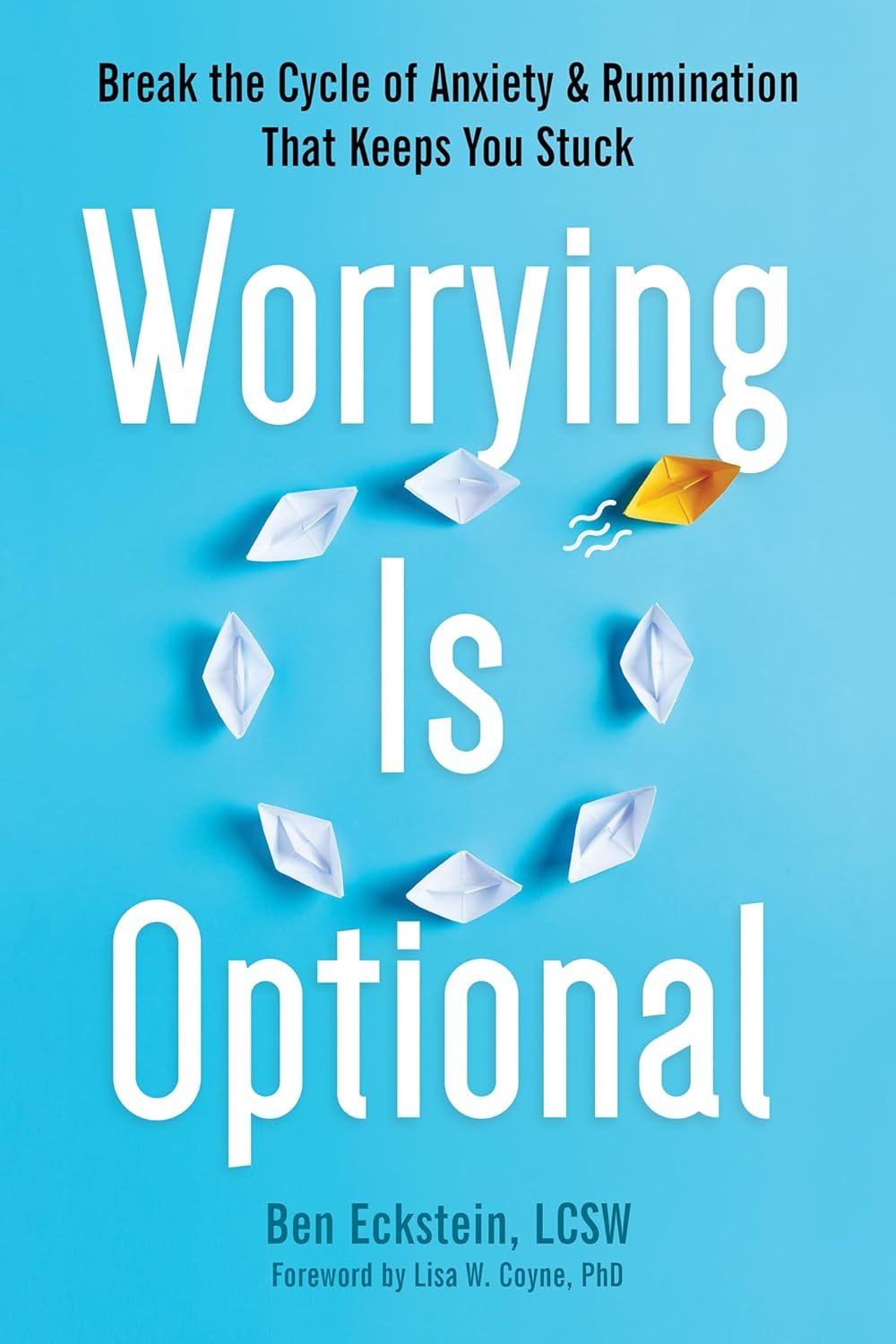
- If you want a newer anti-rumination framework, start with Worrying Is Optional.
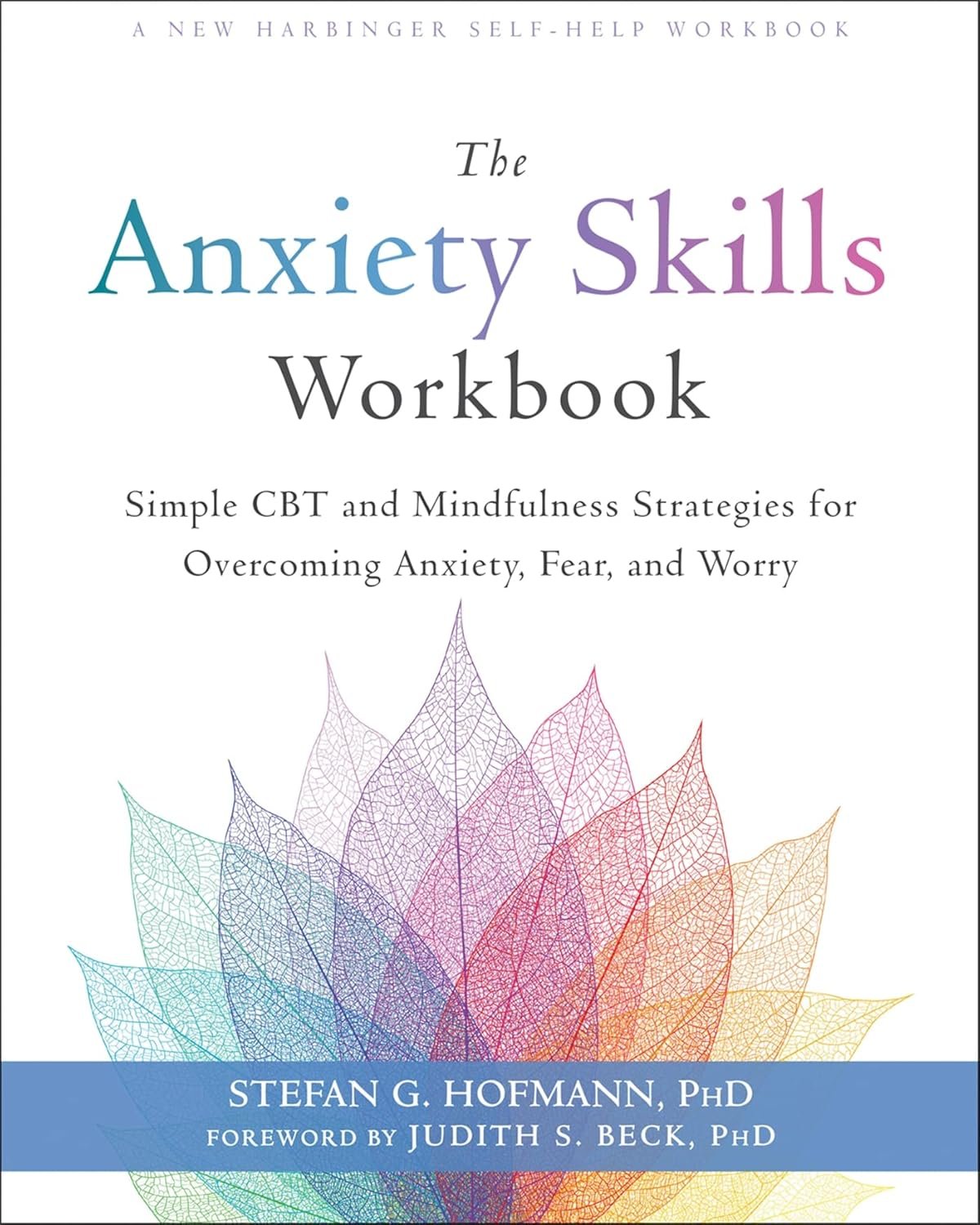
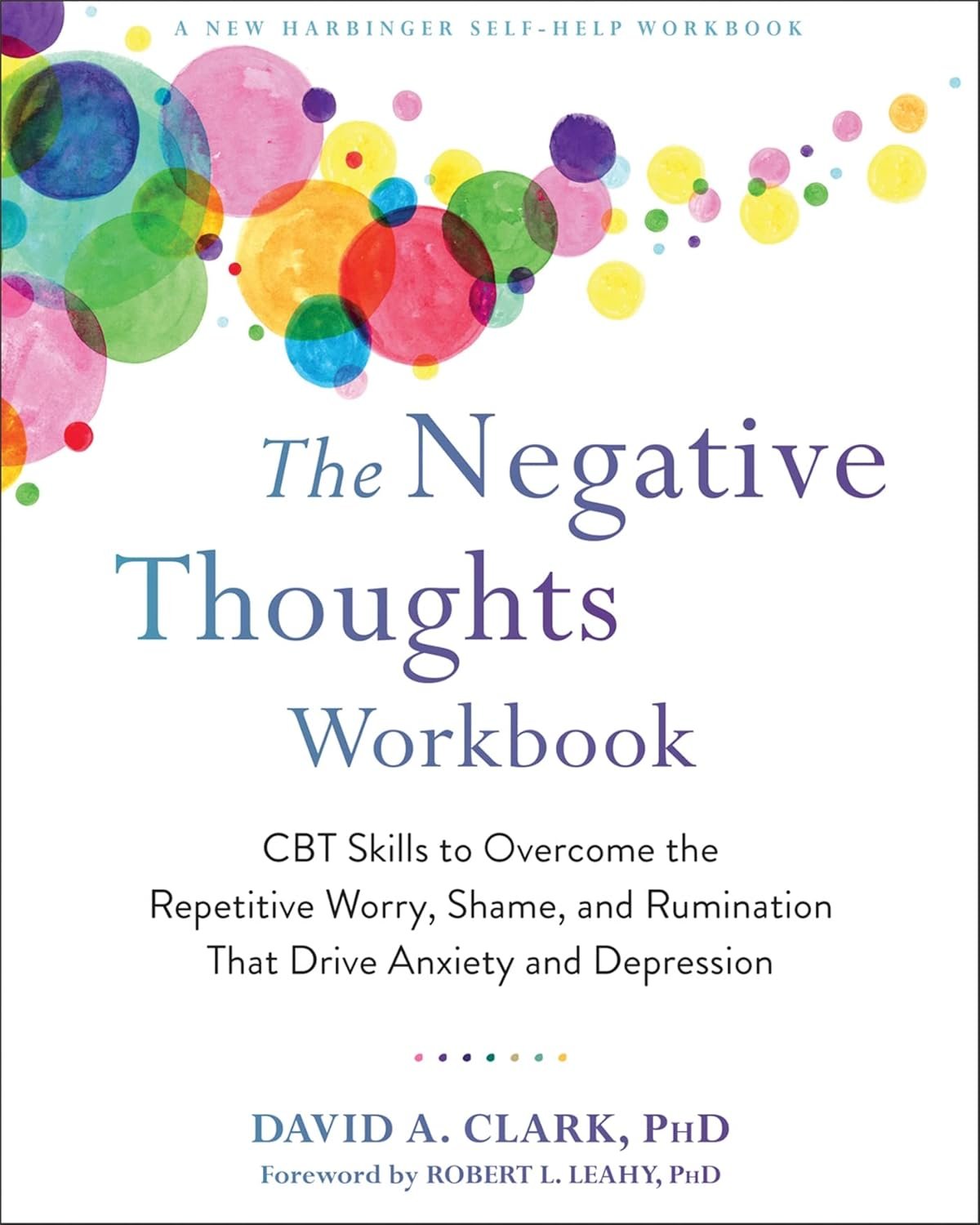
- If you want exercises and structured practice, start with The Anxiety Skills Workbook or The Negative Thoughts Workbook.
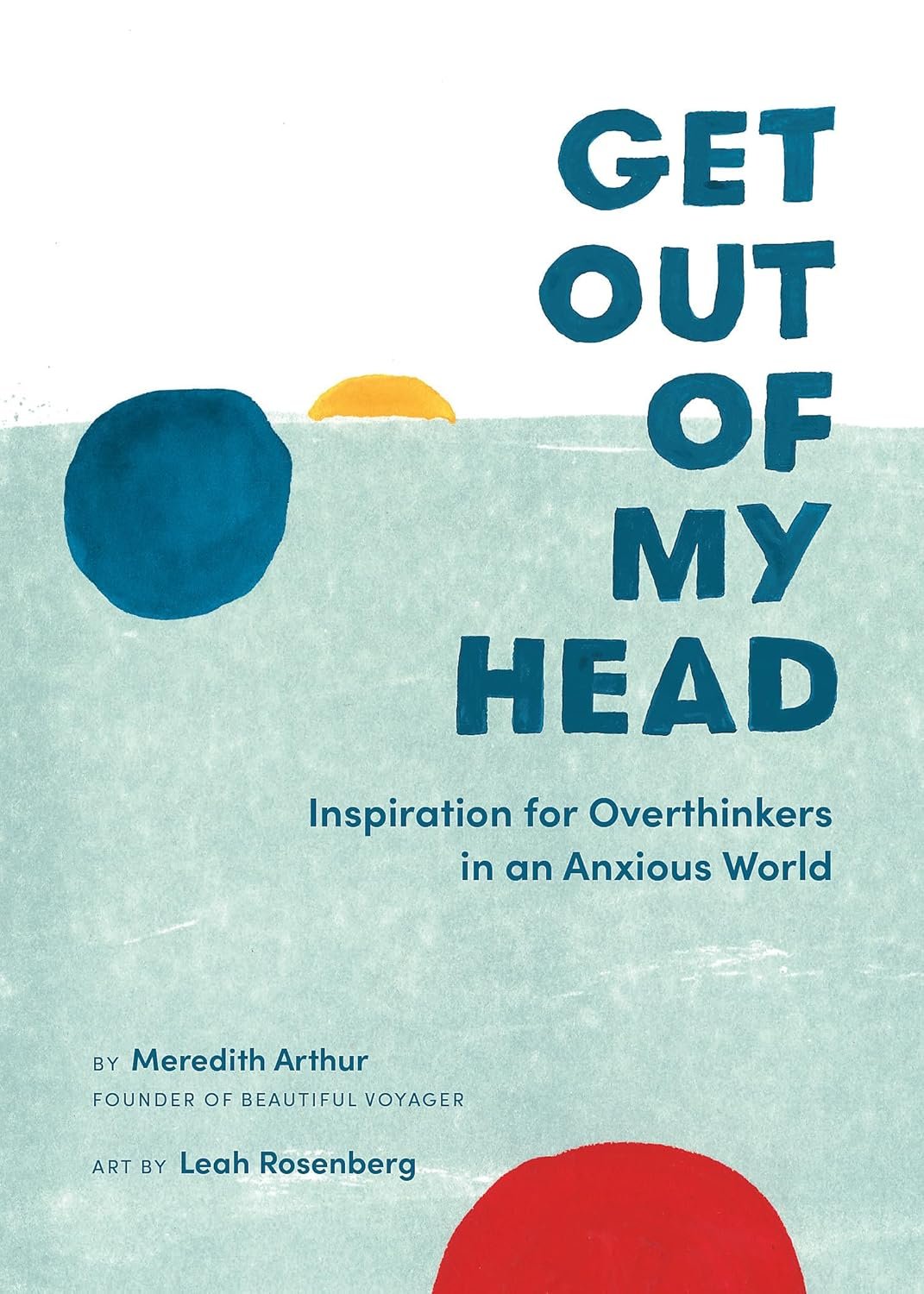
- If you want something gentler and less clinical, start with Get Out of My Head.
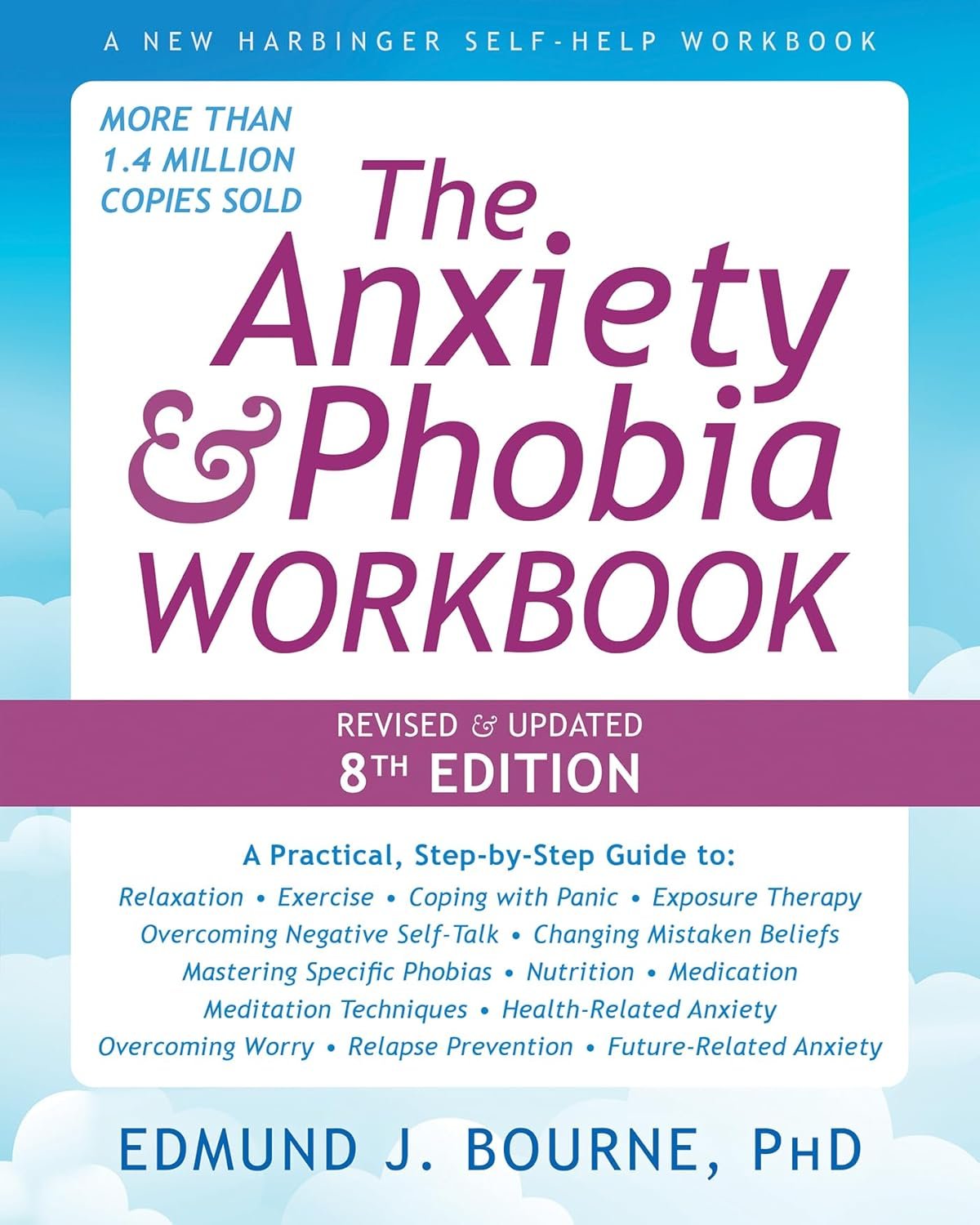
- If you want one big, comprehensive reference, start with The Anxiety and Phobia Workbook.
3. Use worry time instead of worrying all day
Many articles mention worry time without really explaining it. The simple version is this: pick a daily 10 to 20 minute window, write worries down when they show up, and tell yourself you will come back to them later. NHS says this can help stop thoughts from taking over the rest of the day, and Cleveland Clinic notes that people can build better control over worrying with practice.
This is not about suppressing your mind. It is about teaching your mind that worry does not get unlimited access to your whole day.
4. Turn “what if?” into “if, then”
Overthinking loves worst-case questions. Cleveland Clinic recommends turning “what if” thoughts into “if, then” plans so you move from panic to coping.
Examples:
- “What if I mess up?” becomes “If I mess up, I will slow down and correct it.”
- “What if they judge me?” becomes “If they judge me, I will feel uncomfortable and still be okay.”
- “What if I make the wrong choice?” becomes “If this choice does not work, I can adjust.”
You are not promising yourself that nothing bad will happen. You are reminding yourself that you can cope if something imperfect happens.
5. Challenge the thought with evidence, not fear
If your brain says, “They hate me,” or “I ruined everything,” pause before treating that like a fact. CBT-based guidance from NHS and Cleveland Clinic recommends checking the evidence, considering alternative explanations, and aiming for a more balanced response instead of automatically trusting the scariest interpretation.
Ask:
- What evidence supports this thought?
- What evidence does not support it?
- Is there another explanation?
- What would I say to a friend in this exact situation?
The goal is not fake positivity. The goal is accuracy.
6. Stop feeding the loop with checking and reassurance
This is where many competing articles stay too vague. Overthinking often survives because of what happens after the thought: rereading texts, replaying conversations, Googling symptoms, asking several people the same question, mentally reviewing what you should have said, or checking your feelings over and over. Metacognitive guidance specifically warns that threat monitoring, reassurance-seeking, and excessive planning can keep the cycle going.
If this part feels especially intense, pay attention. NIMH notes that OCD involves intrusive, recurring thoughts and repetitive behaviors or mental acts that are time-consuming or distressing. Not all overthinking is OCD, but if your mind keeps demanding checking, certainty, or reassurance, a proper assessment can matter.
7. Regulate your body before you reason with your brain
When your nervous system is activated, your mind is rarely at its clearest. PaulWellness’s recent worksheet language emphasizes supporting the nervous system with gentle regulating actions like breathing, movement, rest, or neutral distraction. Cleveland Clinic also recommends slow breathing, progressive muscle relaxation, light stretching, and other body-based strategies when thoughts are racing.
That means the right move is sometimes very basic:
- drink cold water
- put both feet on the floor
- walk outside for five minutes
- stretch your shoulders
- do one concrete task with a clear ending
Simple does not mean shallow. When your body settles, your mind usually becomes less dramatic.
8. Take one imperfect action
Overthinking survives in delay. Action weakens it. The moment you choose one next step, even a small one, you shift from mental rehearsal to actual living. That is one reason CBT is so effective for excessive worry and anxiety. It teaches people new ways of thinking, behaving, and reacting instead of staying trapped in analysis.
If you are stuck, ask: What is the smallest useful action I can take in the next 10 minutes? Then do that, even if your mind still wants more certainty first.
Recommended Products for Overthinking
Product | Type | Best for | What stands out | Price | |
|---|---|---|---|---|---|
 | Weighted blanket | Bedtime anxiety and restless sleep | Deep-pressure comfort, premium build, removable cover | | |
 | Weighted sleep mask | Nighttime racing thoughts and travel | Gentle weighted pressure around eyes and temples, strap-free design | | |
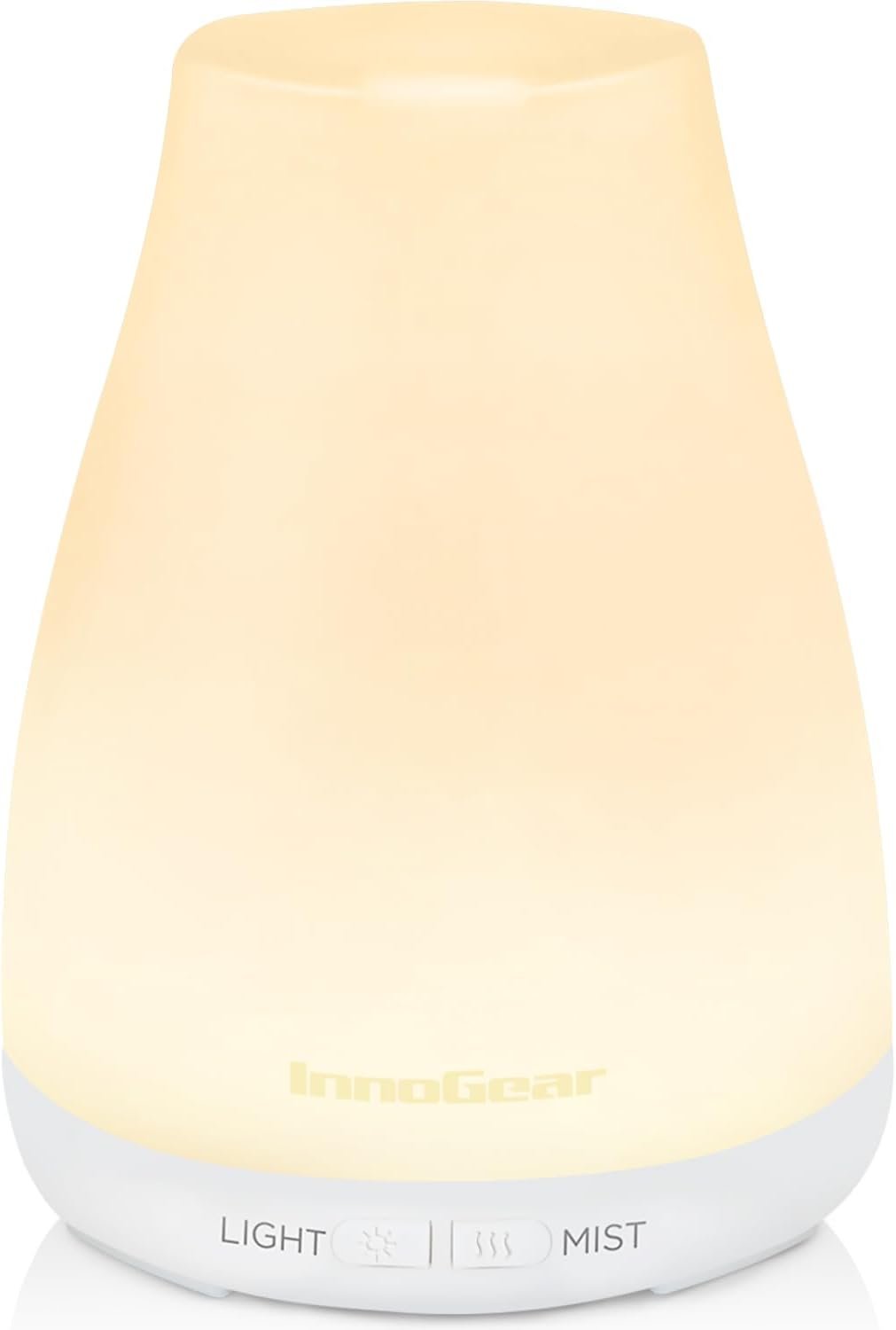 | Diffuser | Wind-down routines and calming sensory cues | Compact size, mist modes, waterless auto-off | | |
 | Acupressure mat | Stress that shows up as body tension | Very direct physical reset, especially for back and shoulders | | |
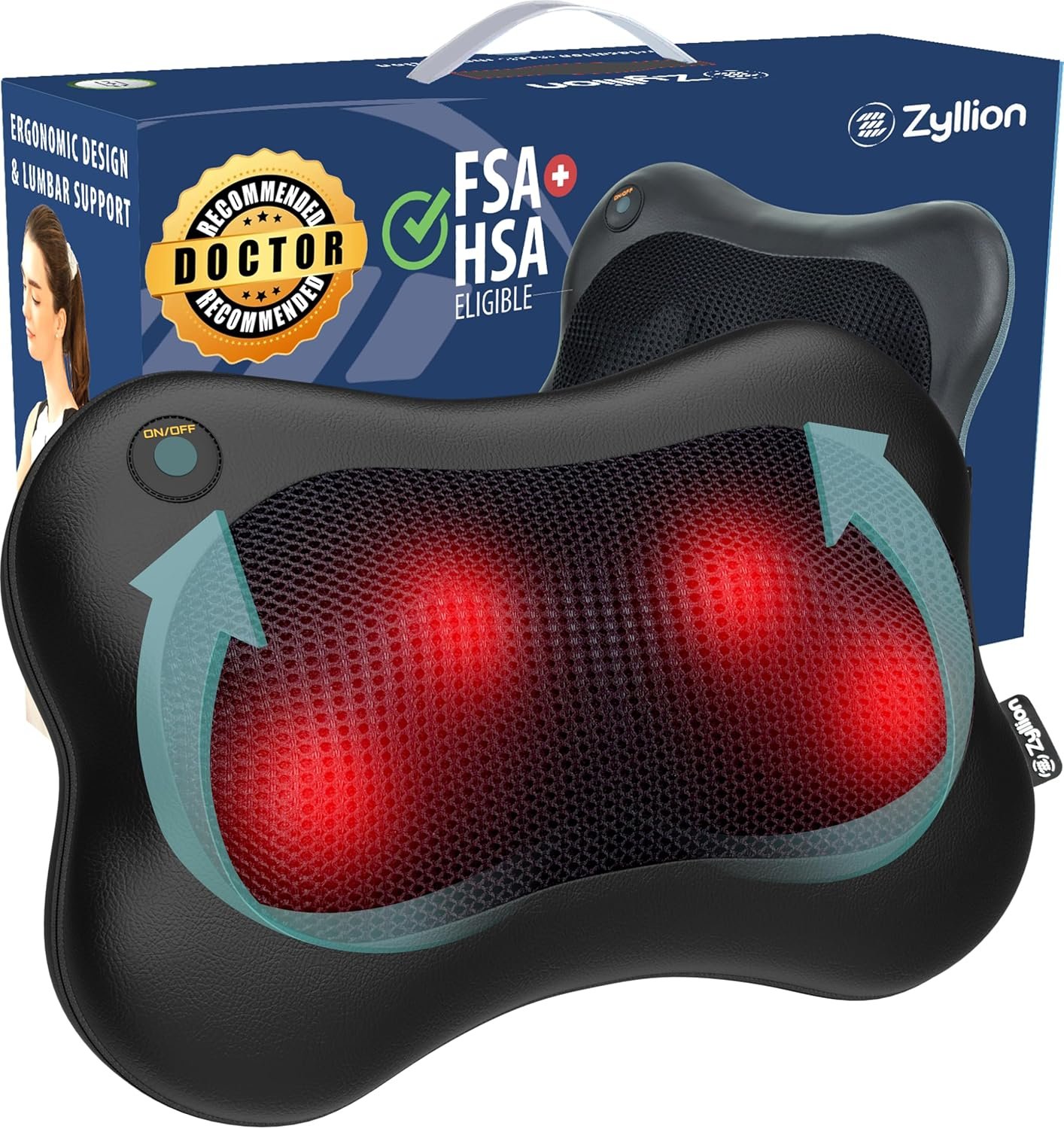 | Heated massager | Tight neck, shoulders, and upper back | Deep kneading plus heat | | |
 | Hot/cold mask | Forehead, eye-area, and facial tension | Flexible hot/cold relief and easy repeat use | | |
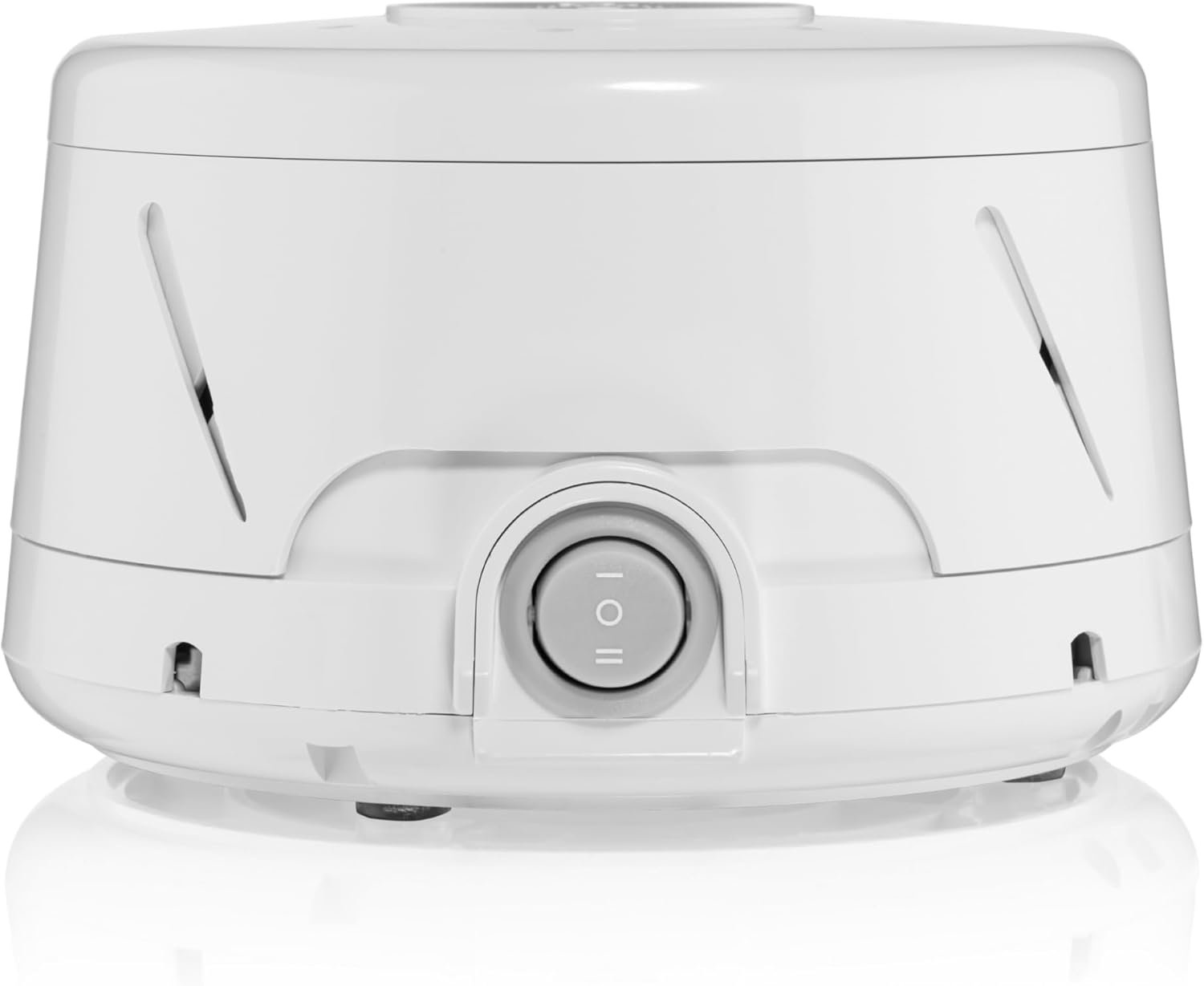 | White noise machine | Noise-sensitive sleepers and overstimulated brains | Real fan-based, non-looping sound | | |
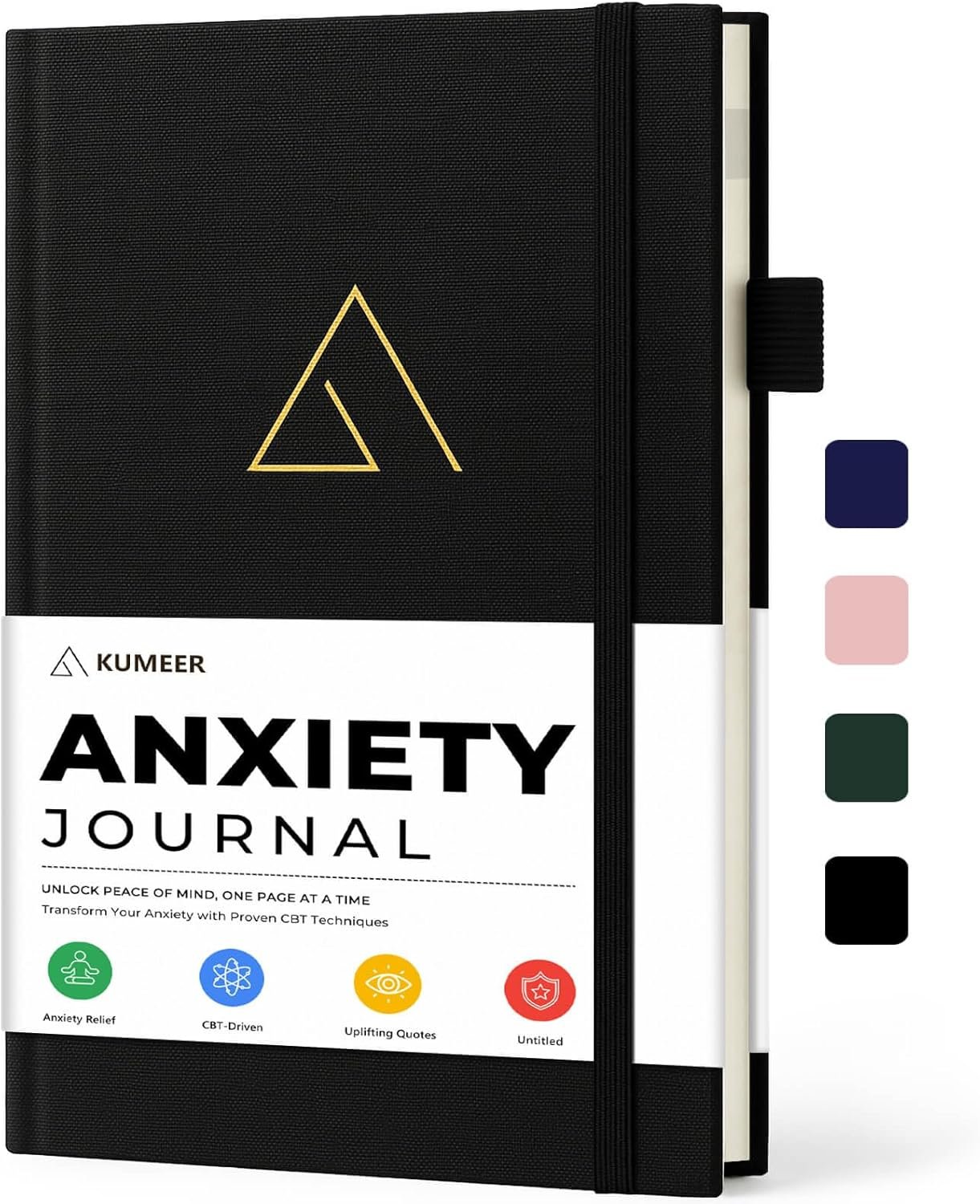 | Guided CBT notebook | Thought spirals and overthinking | Therapist-made CBT structure | | |
 | Fidget tool | Restless hands and anxious energy | Twistable tactile motion, easy to use | | |
 | Textured sensory stickers | Quiet, discreet grounding at work or school | Reusable, low-profile, always-there tactile cue | |
How to stop overthinking at night
Nighttime overthinking needs its own plan. NHS says scheduled worry time can help reduce racing thoughts around sleep, and Cleveland Clinic recommends a worry journal, slow breathing, body relaxation, and a 30 to 60 minute screen-free wind-down before bed.
A good nighttime routine for overthinkers looks like this:
- Put worries on paper earlier in the evening.
- Keep screens off for the last 30 to 60 minutes if you can.
- Use breathing, stretching, or progressive muscle relaxation.
- If your brain says “solve this now,” answer with “tomorrow is the time for solving.”
The mistake many people make is trying to solve life in bed. Your bed is for sleep, not for mental cross-examination at 12:47 a.m.
When overthinking may be more than overthinking
Sometimes overthinking is mainly stress. Sometimes it is part of a bigger clinical picture.
If worry feels hard to control on most days and comes with restlessness, fatigue, trouble concentrating, irritability, muscle tension, or sleep problems, that can fit a broader anxiety pattern. NIMH describes those as part of generalized anxiety disorder criteria.
If your experience centers on intrusive, unwanted thoughts plus repeated checking, reassurance, reviewing, or rituals that eat up time and cause distress, OCD should be part of the conversation too. NIMH notes that OCD involves uncontrollable recurring thoughts, repetitive behaviors or mental acts, and significant distress or interference.
That does not mean you should diagnose yourself from an article. It means that if overthinking is taking over your day, your sleep, your relationships, or your ability to function, therapy is not an overreaction. It is a smart next step. CBT is well studied for excessive worry, and professional support is worth considering when your own tools are not enough.
FAQ: How Can I Stop Overthinking?
Why do I overthink everything?
Usually because your brain is trying to protect you from uncertainty, mistakes, rejection, or loss. The problem is that repeated engagement with those worries often increases distress instead of resolving it, especially when you keep answering every trigger thought with more analysis.
Is overthinking the same as anxiety?
Not exactly. Overthinking is a pattern of repetitive mental looping. Anxiety is a broader emotional and physical state. They often overlap, especially when worry becomes hard to control and starts affecting concentration, tension, or sleep.
How can I stop overthinking immediately?
You usually will not stop it instantly, but you can interrupt it quickly. Name the loop, decide whether the thought is actionable or hypothetical, postpone it to worry time if needed, regulate your body, and take one small step in the real world.
What is the best therapy for overthinking?
CBT is one of the best-supported therapy approaches for excessive worry and anxiety. Metacognitive strategies can also help by teaching you to respond differently to trigger thoughts instead of staying fused to them.
How do I stop overthinking in bed?
Move worry time earlier in the day, use a journal before bed, avoid screens during your wind-down, and use body-based calming strategies instead of trying to mentally solve everything under the covers.
When should I get help for overthinking?
Get help when overthinking is affecting sleep, work, relationships, or daily functioning, or when it starts to look like persistent anxiety or OCD-type checking and mental rituals. If you are in immediate emotional crisis or thinking about harming yourself, the 988 Suicide & Crisis Lifeline provides free, confidential support 24/7 by call, text, or chat in the United States.
Final thoughts
If you keep asking, “how can I stop overthinking?”, the real answer is not “become a person who never has scary thoughts.” The real answer is to stop building your day around them. Notice the loop. Contain it. Regulate your body. Take one real-world step. Then repeat that process until your mind learns that uncertainty is uncomfortable, but not dangerous.
Other Interesting Articles
- Free Therapy Worksheets at Paul Wellness
- 10 of the Best Anxiety Relief Products
- Best Journal for Overthinkers
- Best Books for Overthinking
About the Author
Paul Wellness
Paul Wellness is a mental-health professional and writer dedicated to helping individuals and couples strengthen relationships through evidence-based insight and emotional growth. Combining therapeutic expertise with practical tools, Paul Wellness empowers readers to create trust, connection, and lasting love.