 by
by The best journal for overthinkers is usually not a blank notebook. It is a guided journal that gives your thoughts somewhere to go and something specific to do once they get there. That matters because overthinking tends to spiral when the page is too open-ended. Current anxiety-journaling guidance points to structured journaling as a way to identify patterns, reduce distress, and turn messy mental noise into something more workable, while research reviews suggest journaling can be helpful but works best when it is purposeful rather than vague.
The journals most worth knowing about right now are The Anti-Anxiety Guided Notebook, Clever Fox Mental Health & Anxiety Journal, The Mindfulness Journal for Anxiety, Journal Therapy for Calming Anxiety, 52-Week Mental Health Journal, 52 Lists for Calm, No Worries, and Healing Anxiety & Overthinking Journal & Workbook. They cover the major overthinking styles better with CBT-style reframing, prompt-based worry release, mindfulness journaling, weekly structure, and gentler low-pressure reflection.
Best Journal for Overthinkers: Quick Comparison Table
Feature | ||||||||
|---|---|---|---|---|---|---|---|---|
 |  |  |  |  |  |  |  | |
Best for | CBT-style reframing | Daily mood and thought tracking | Mindfulness-based reflection | Daily therapeutic prompts | Yearlong guided consistency | Softer, creative reflection | Low-pressure daily calm practice | Readers who want a direct overthinking focus |
Format | Guided notebook | Guided journal | Prompted journal | 366-day prompt journal | 52-week guided journal | Weekly list journal | Guided daily journal | Journal + workbook |
Style | Structured and therapist-like | Practical and organized | Gentle and mindful | Prompt-heavy and steady | Balanced and routine-based | Light, soothing, reflective | Simple and accessible | More intensive and workbook-like |
Works best when | Your brain needs a thought framework | You want check-ins and trackers | You want to slow down, not just vent | You do best with one prompt a day | You want long-run habit support | Blank pages feel too intimidating | You want an easy place to start | Overthinking is your main target |
Why it stands out | Built around CBT tools | Combines prompts with tracking | Focuses on mindful awareness | Big prompt library and clinical feel | Clear yearlong structure | Easy, visually friendly prompt style | Feels approachable, not clinical | Names anxiety and overthinking directly |
Price |  | | | | | | | |
Why this matters
Overthinking is not just “thinking a lot.” It is usually repetitive, sticky, and hard to shut off. Healthline notes that worry journals can help people dissect what they are feeling and find a path forward, and Verywell Mind describes journaling as a common anxiety-management tool that can help untangle thoughts, process emotions, and identify patterns.
That is why the format matters so much. If your mind already loops, a journal that asks you to do something simple and concrete is usually more helpful than one that gives you a blank page and hopes for the best. That is also one of the biggest gaps in the current ranking pages: they often recommend journals without explaining why the structure matters for overthinkers specifically.
My shortlist at a glance
If you want the fastest version:
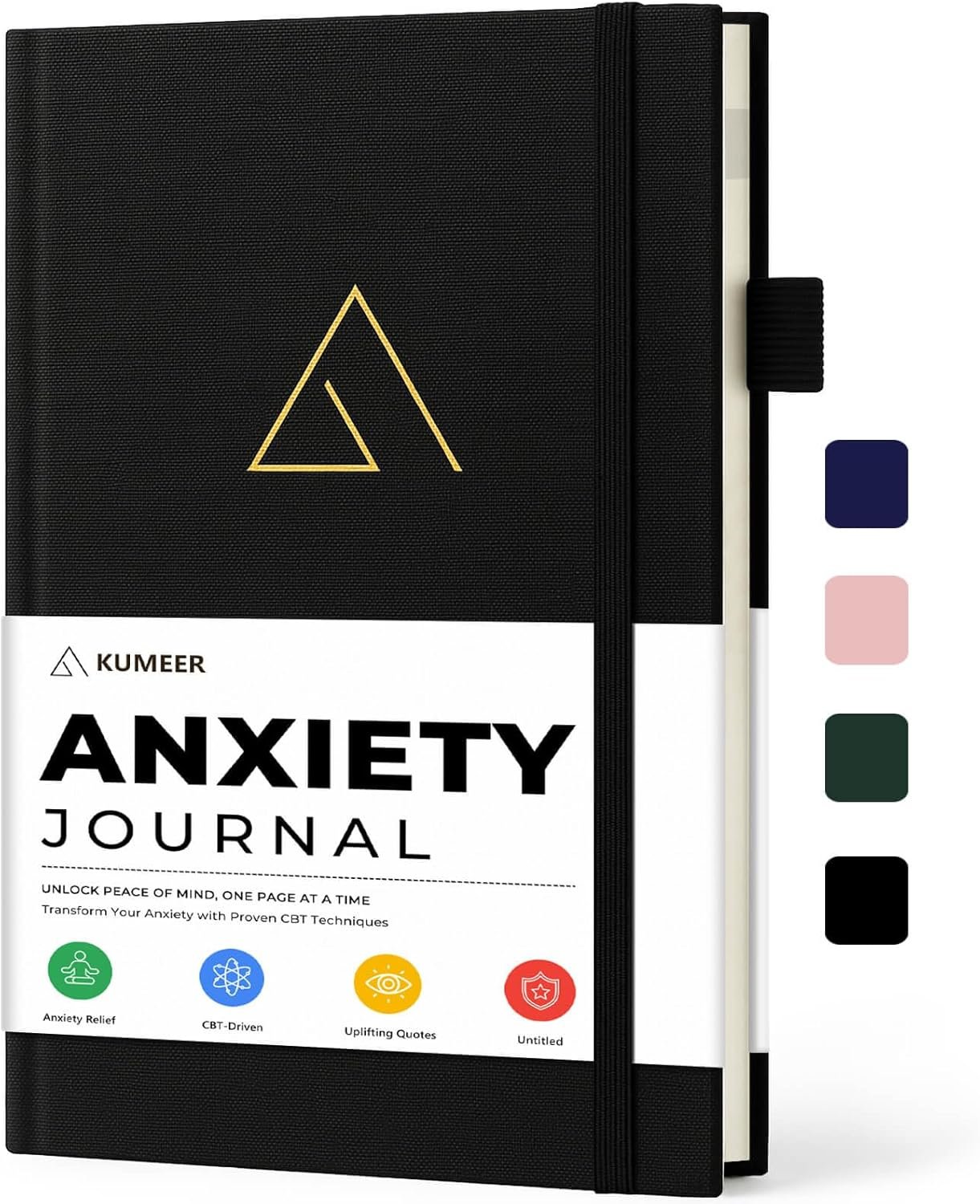
- Best CBT-style journal: The Anti-Anxiety Guided Notebook
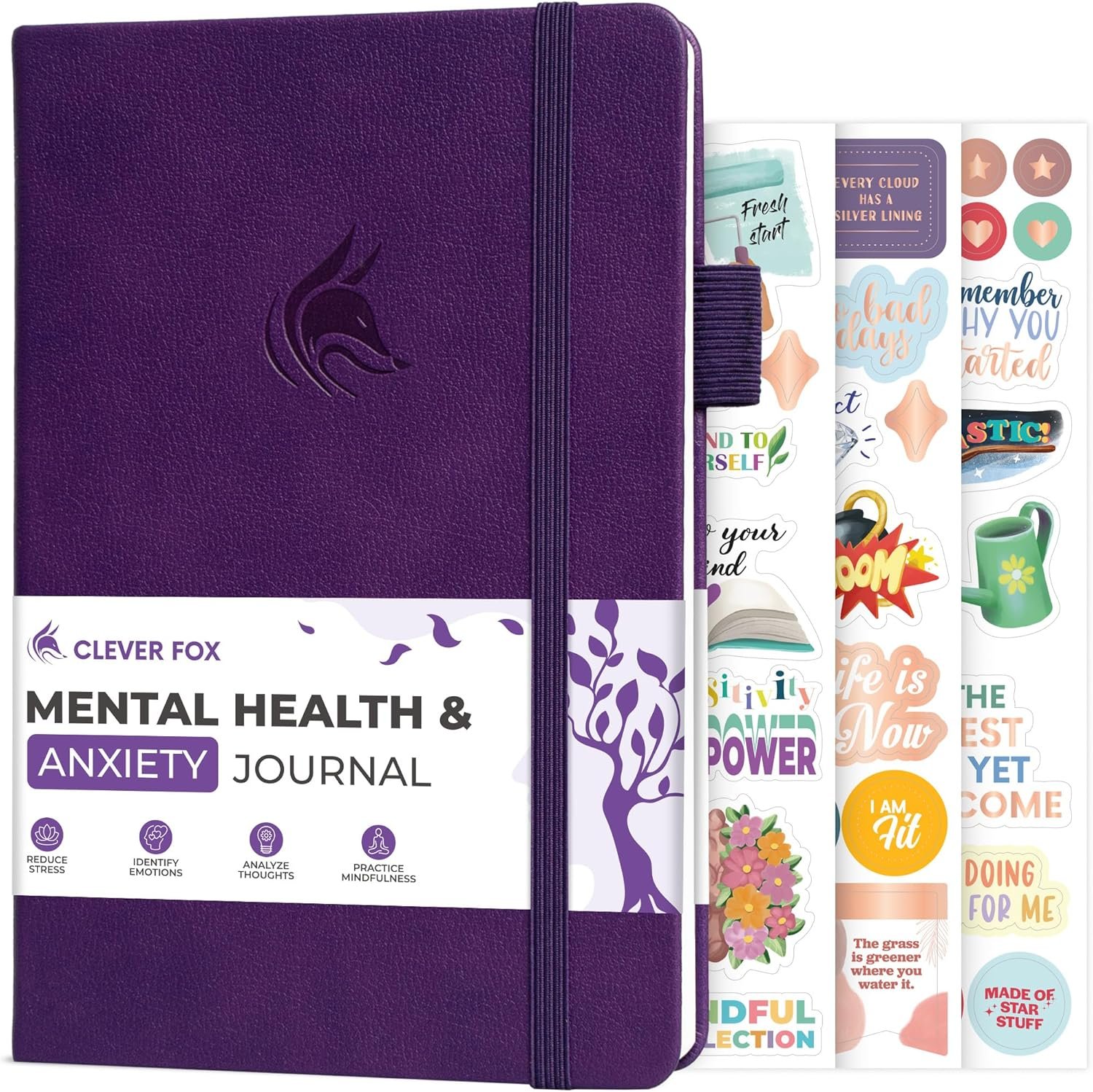
- Best all-around guided journal: Clever Fox Mental Health & Anxiety Journal
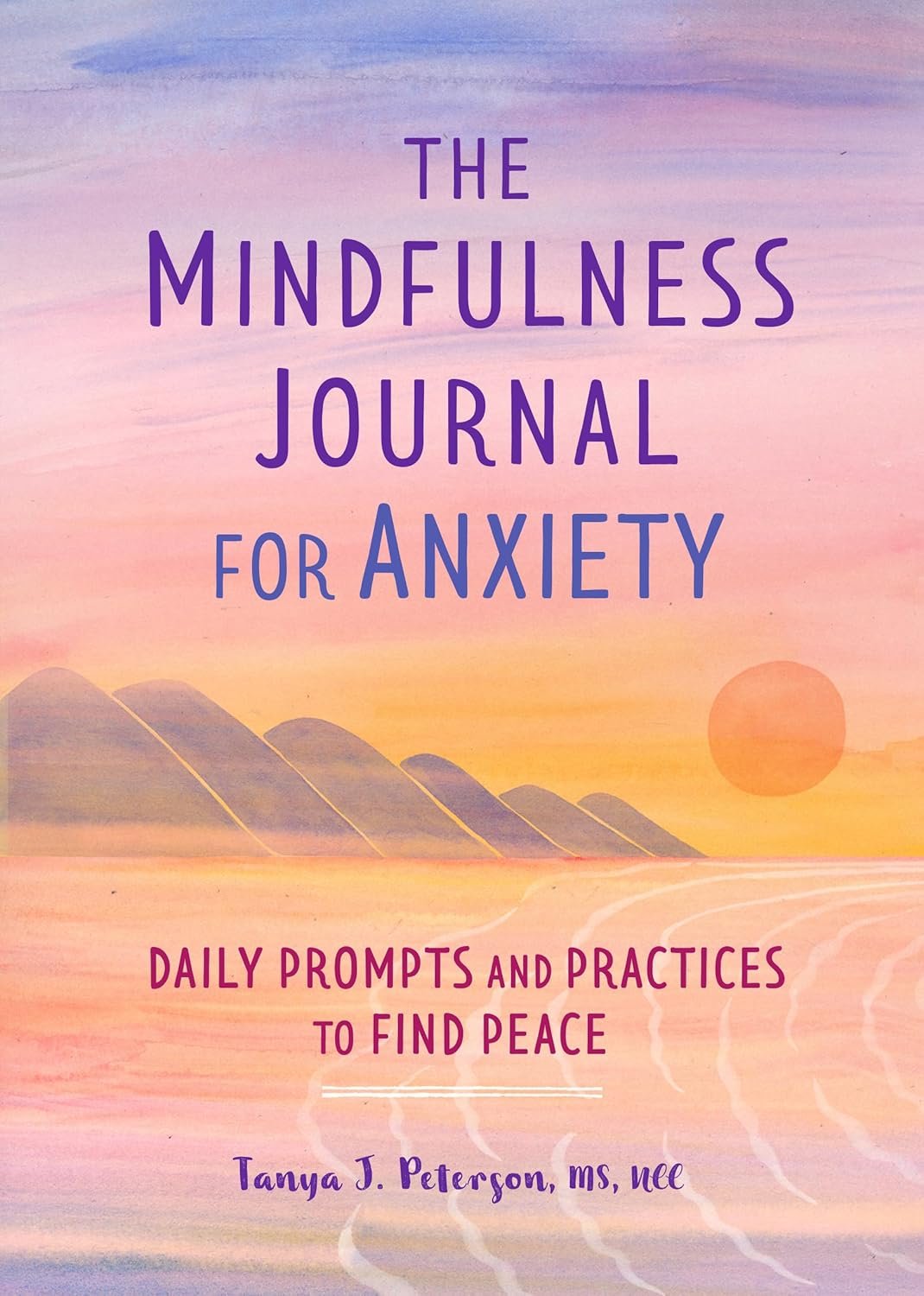
- Best mindfulness-first option: The Mindfulness Journal for Anxiety
- Best daily prompt system: Journal Therapy for Calming Anxiety
- Best yearlong guided option: 52-Week Mental Health Journal
- Best gentle list-style journal: 52 Lists for Calm
- Best easy-entry option: No Worries
- Best direct overthinking-focused journal: Healing Anxiety & Overthinking Journal & Workbook
1) Therapy Notebooks: The Anti-Anxiety Guided Notebook
If your overthinking sounds like catastrophizing, spiraling, or mentally arguing with yourself, this is one of the strongest journals to know about. Therapy Notebooks describes it as a guided notebook built around CBT to help users identify, challenge, and change unhelpful thought patterns, and multiple retailer descriptions repeat that same CBT-centered framing.
That matters because overthinkers often do better with structured thought work than with free-writing alone. This journal makes the most sense if you want a guided notebook that feels close to therapy homework without becoming overwhelming.
2) Clever Fox Mental Health & Anxiety Journal
Clever Fox’s journal is one of the better all-around options if you want a guided journal that mixes CBT-style prompts, mood tracking, and emotional check-ins. Current listings describe it as a mental health and anxiety journal with guided prompts, stress-relief support, and mood/emotion tracking.
This is a strong awareness pick for overthinkers who like systems. If your mind feels less like deep rumination and more like constant stress plus mental clutter, this kind of journal structure can be easier to stick with than a more literary or reflective option.
3) The Mindfulness Journal for Anxiety
This is one of the cleanest fits for readers who want journaling to feel calmer, not more analytical. Current descriptions say it uses daily prompts and practices to help people gain awareness and control anxiety through mindful journaling, with breathing exercises, meditations, and reflective prompts built in.
That makes it a particularly good fit if your overthinking gets louder when you try to “solve” it. This journal is less about debate and more about slowing the spiral down enough to see it clearly.
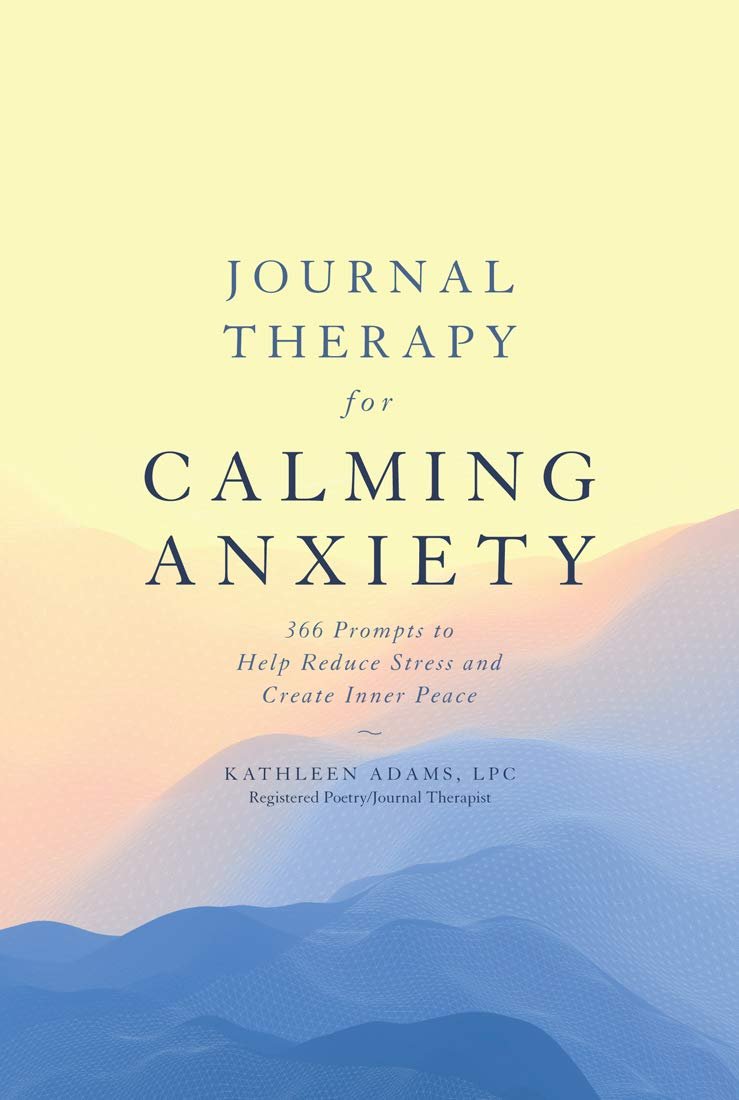
4) Journal Therapy for Calming Anxiety
If you want a journal that gives you a lot of guided material, this is one of the strongest options. Kathleen Adams’ journal is described as a 366-day guided writing process with therapeutic prompts aimed at reducing stress and creating inner peace, and the official bookstore description highlights the author’s long clinical background.
This is the pick I would surface for someone who does better when they never have to wonder what to write. It is especially useful for readers who want journaling to become a regular practice rather than an occasional “brain dump.”
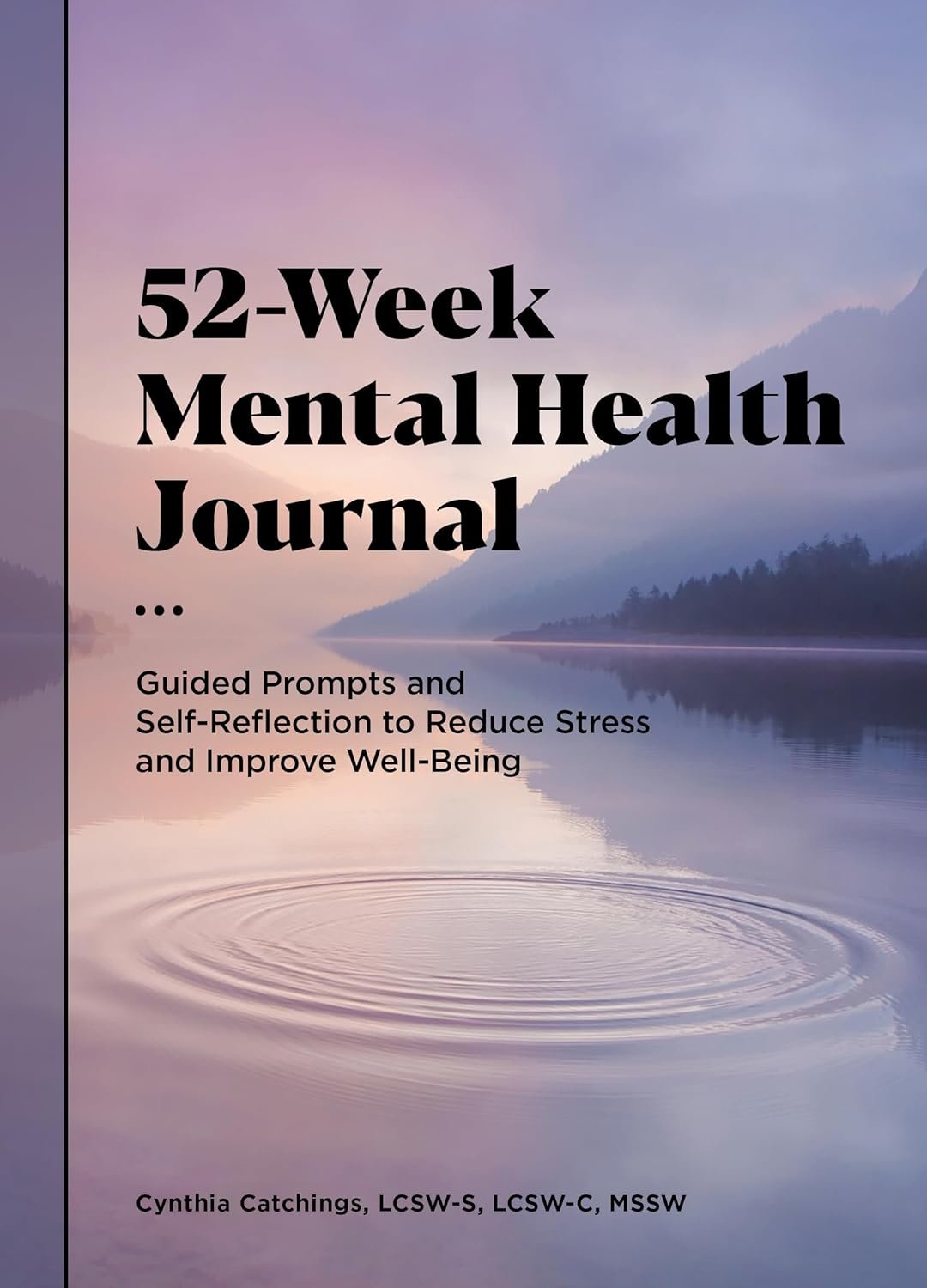
5) 52-Week Mental Health Journal
This journal is one of the more appealing options if you want steady structure without daily intensity. Current descriptions say it uses focused prompts across the year and is organized around core areas of mental wellbeing like calm, resilience, connection, goals, and healthy living.
That makes it a nice middle ground. It is more guided than a blank notebook, but it usually feels less clinical than a strict CBT journal. For many overthinkers, that balance is exactly the point.
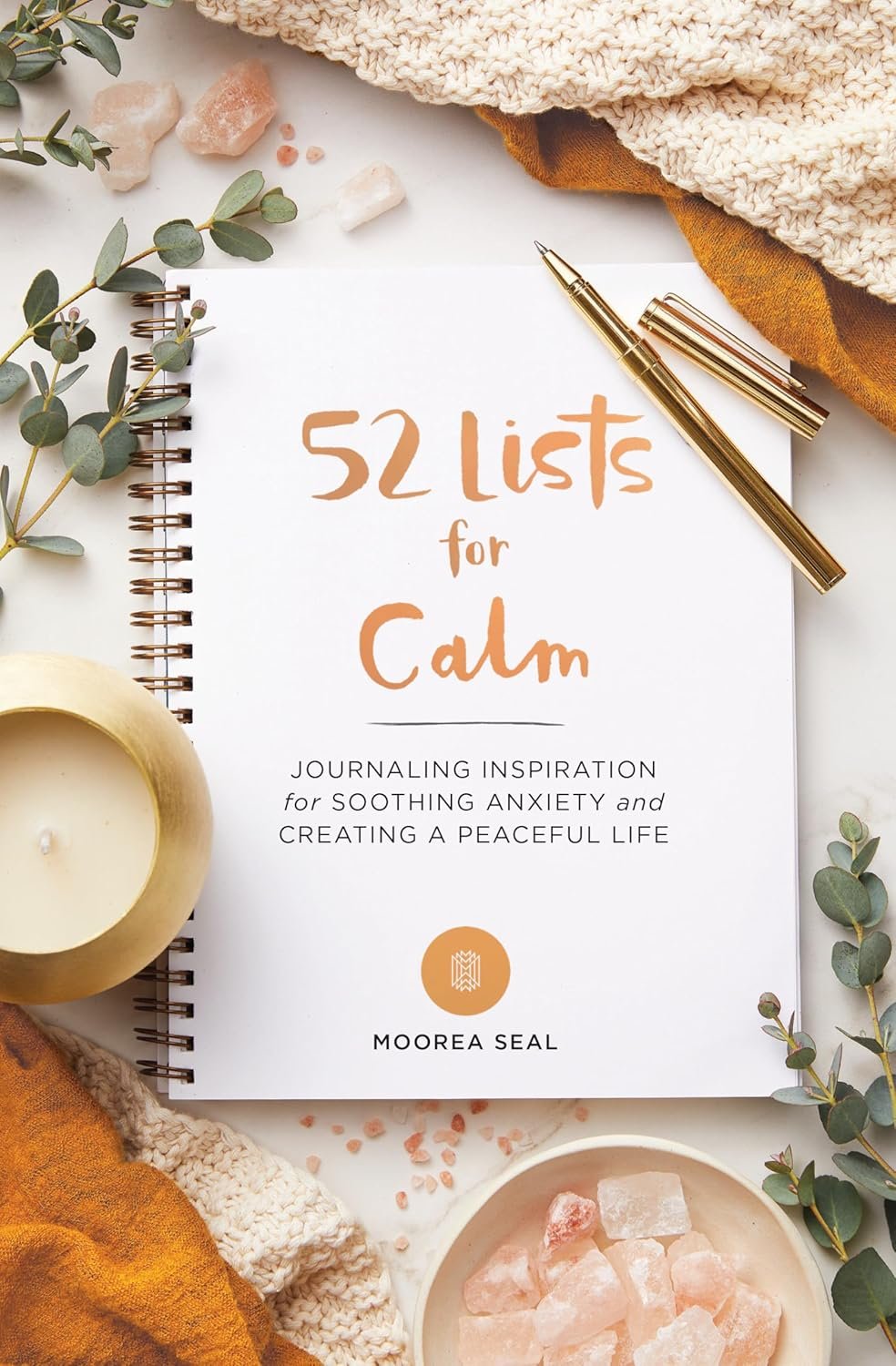
6) 52 Lists for Calm
This is a softer, more aesthetically driven prompt journal, but it still earns a place because it is very clearly positioned around soothing anxiety and creating a peaceful life. Official descriptions frame it as a weekly list-based journal with prompts for mindfulness and stress relief.
This is not the one I would hand to someone who wants strict CBT-style reframing. It is the one I would surface for readers who freeze in front of heavy self-help language and need journaling to feel approachable enough to actually do.
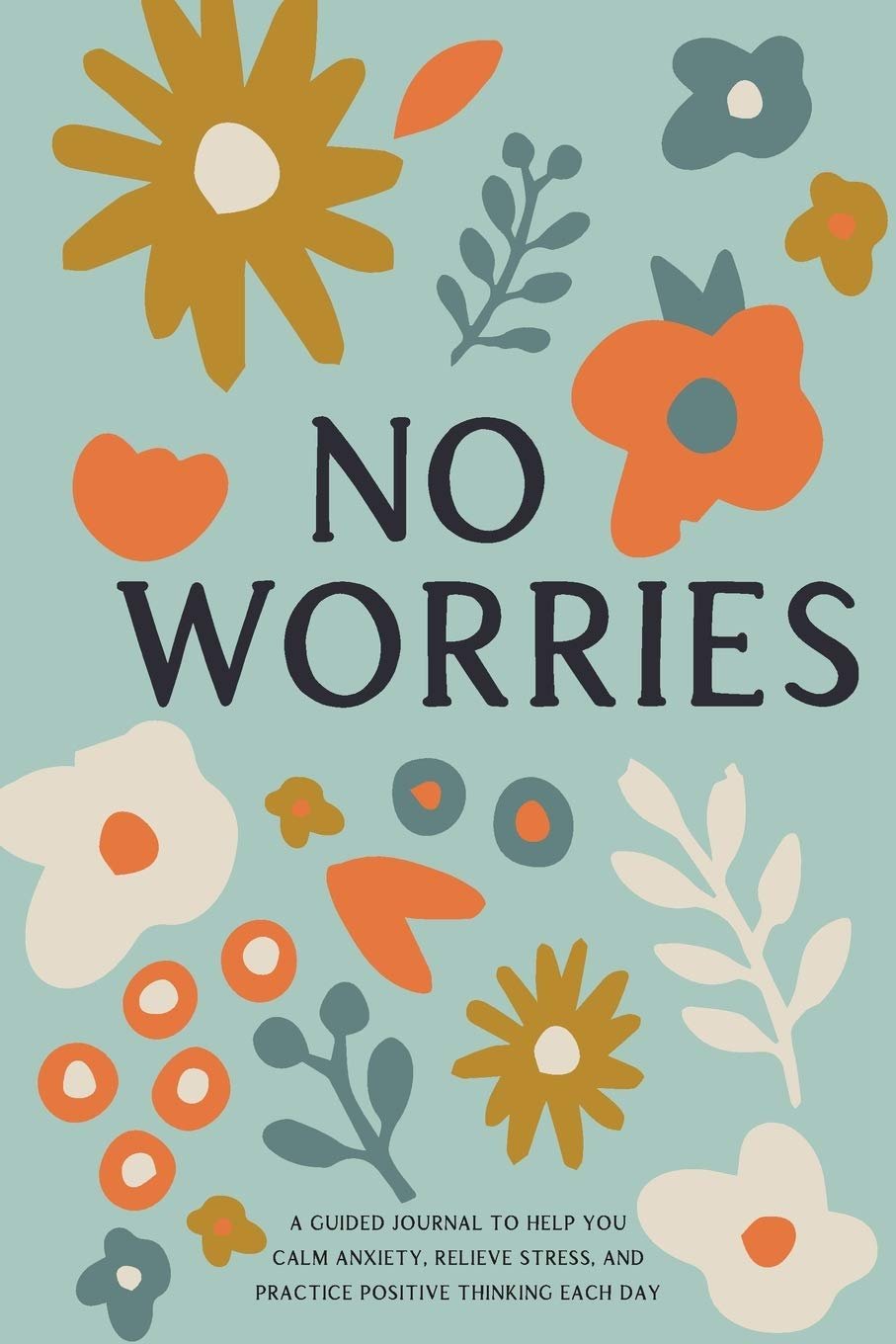
7) No Worries
No Worries is a good low-pressure option because it is built around taking a few minutes each day to reflect, identify thoughts, and practice positive thinking. Current marketplace descriptions say it is designed to meet readers where they are and guide them into a calmer daily reflection practice.
This one makes the most sense for readers who know they need something but do not want a journal that feels like homework. It is a gentle on-ramp, which is a real strength when overthinking already makes starting new routines harder.
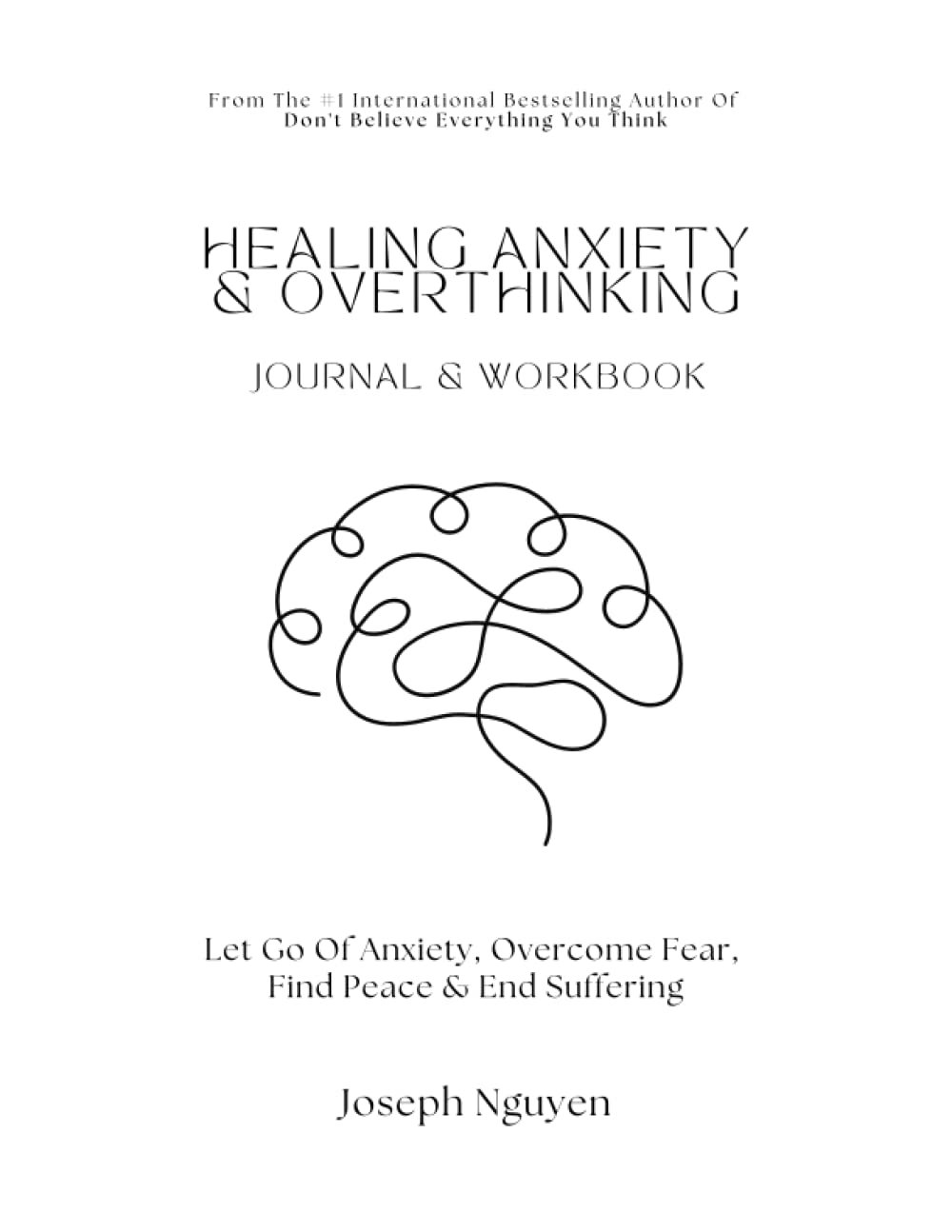
8) Healing Anxiety & Overthinking Journal & Workbook
This is the most directly on-keyword option in the whole list. The official product page and marketplace descriptions frame it as a journal and workbook specifically for healing anxiety and overthinking, with a 60-day structure and a more intensive workbook feel.
That directness is its biggest strength. If your goal is not broad mental wellness but specifically “I need something that addresses my anxiety and overthinking head-on,” this is one of the clearest products to know about.
What Our Competitors Get Wrong
The current field still has a few repeat problems. Many pages recommend blank gratitude journals or broad wellness diaries without explaining that overthinkers often do better with guided prompts or CBT structure. Others mix very gentle aesthetic journals with much more clinical workbooks without helping the reader understand the difference.
That is why this review is organized by how the journal actually helps, not just by popularity. For this keyword, that is the clearest way to outperform the usual shallow roundup.
How to choose without turning the choice into more overthinking
You do not need the perfect journal. You need the one that matches your style of overthinking.
- If you want structured CBT help, start with The Anti-Anxiety Guided Notebook or Clever Fox Mental Health & Anxiety Journal.
- If you want mindfulness and emotional slowing down, look first at The Mindfulness Journal for Anxiety.
- If you want a lot of guided prompts, Journal Therapy for Calming Anxiety is hard to miss.
- If you want a long-run, steady journaling habit, 52-Week Mental Health Journal makes more sense.
- If you want something gentle and not too clinical, 52 Lists for Calm or No Worries are easier starts.
- If you want a direct anxiety-and-overthinking target, start with Healing Anxiety & Overthinking Journal & Workbook.
FAQ: Best Journal for Overthinkers
What type of journal is best for overthinkers?
Usually a guided journal works better than a blank notebook. Overthinking tends to do better with prompts, structure, and some kind of framework, especially CBT-style reframing, mindfulness prompts, or a daily check-in format.
Is a CBT journal better than a regular journal for overthinking?
Often, yes. If your overthinking is very analytical, fear-driven, or repetitive, a CBT-style journal can be more helpful because it gives you a path for identifying thought patterns and challenging them instead of just venting onto the page.
Are mindfulness journals good for overthinking?
They can be, especially if your biggest problem is mental noise, rumination, or not being able to slow down. Mindfulness-based journaling tends to help by building awareness and reducing the need to solve every thought immediately.
What is the best daily journal for overthinking?
If you want something daily and very structured, Journal Therapy for Calming Anxiety is one of the strongest fits because it gives you a guided prompt for each day. No Worries is another good daily-style option if you want something lighter.
Can journaling actually help anxiety and overthinking?
It can help many people, especially as a way to identify patterns, process feelings, and reduce mental clutter, but research also notes there is not one perfect journaling formula for every person. That is why format and consistency matter more than hype.
Final takeaway
The best journal for overthinkers is usually the one that gives your mind enough structure to stop circling. For most readers, that means a guided format, not a blank page. If you want the strongest therapy-style pick, start with The Anti-Anxiety Guided Notebook. If you want a strong all-around guided option, look at Clever Fox Mental Health & Anxiety Journal. If you want a softer, calmer route, The Mindfulness Journal for Anxiety, 52 Lists for Calm, and No Worries are all worth knowing. And if you want the most direct overthinking-focused option, Healing Anxiety & Overthinking Journal & Workbook is the clearest fit.
Other Interesting Articles
- Free Therapy Worksheets at Paul Wellness
- How to Stay Calm During Exposure Therapy
- Best Books on Exposure Therapy: Your Guide to Overcoming Anxiety, OCD, and PTSD
- Exposure Therapy for Social Anxiety: How to Stop Avoiding and Start Thriving
- Exposure Therapy for PTSD: Facing the Past to Reclaim Your Life
- Exposure Therapy for OCD: How Facing Obsessions Can Finally Free Your Mind
- Exposure Therapy for Anxiety: How Facing Your Fears Can Actually Set You Free
About the Author
Paul Wellness
Paul Wellness is a mental-health professional and writer dedicated to helping individuals and couples strengthen relationships through evidence-based insight and emotional growth. Combining therapeutic expertise with practical tools, Paul Wellness empowers readers to create trust, connection, and lasting love.