 by
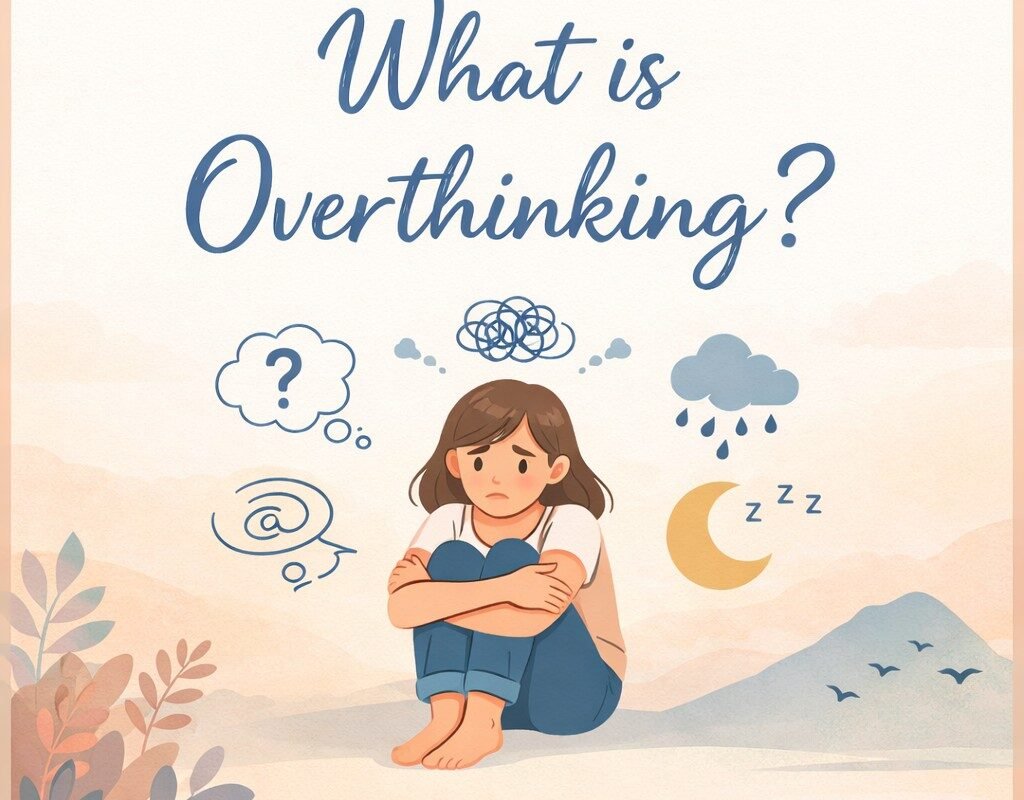
by Overthinking is when your mind gets stuck in repetitive loops that feel important but do not move you toward resolution. It usually looks like dwelling on the past, worrying about the future, replaying conversations, second-guessing decisions, or trying to think your way into certainty. Cleveland Clinic describes it as an unhealthy habit that creates more stress by focusing on the negative, while GoodRx explains that overthinking often shows up as rumination about the past and worry about the future.
That is the most important thing to understand right away. Overthinking can feel responsible, careful, or productive. But when thinking keeps circling without leading to a useful next step, it is usually not helping anymore. Cleveland Clinic puts it simply: instead of problem-solving, you keep ruminating without reaching logical solutions.
Best Books for Overthinking: Comparison Table
Feature | ||||||||
|---|---|---|---|---|---|---|---|---|
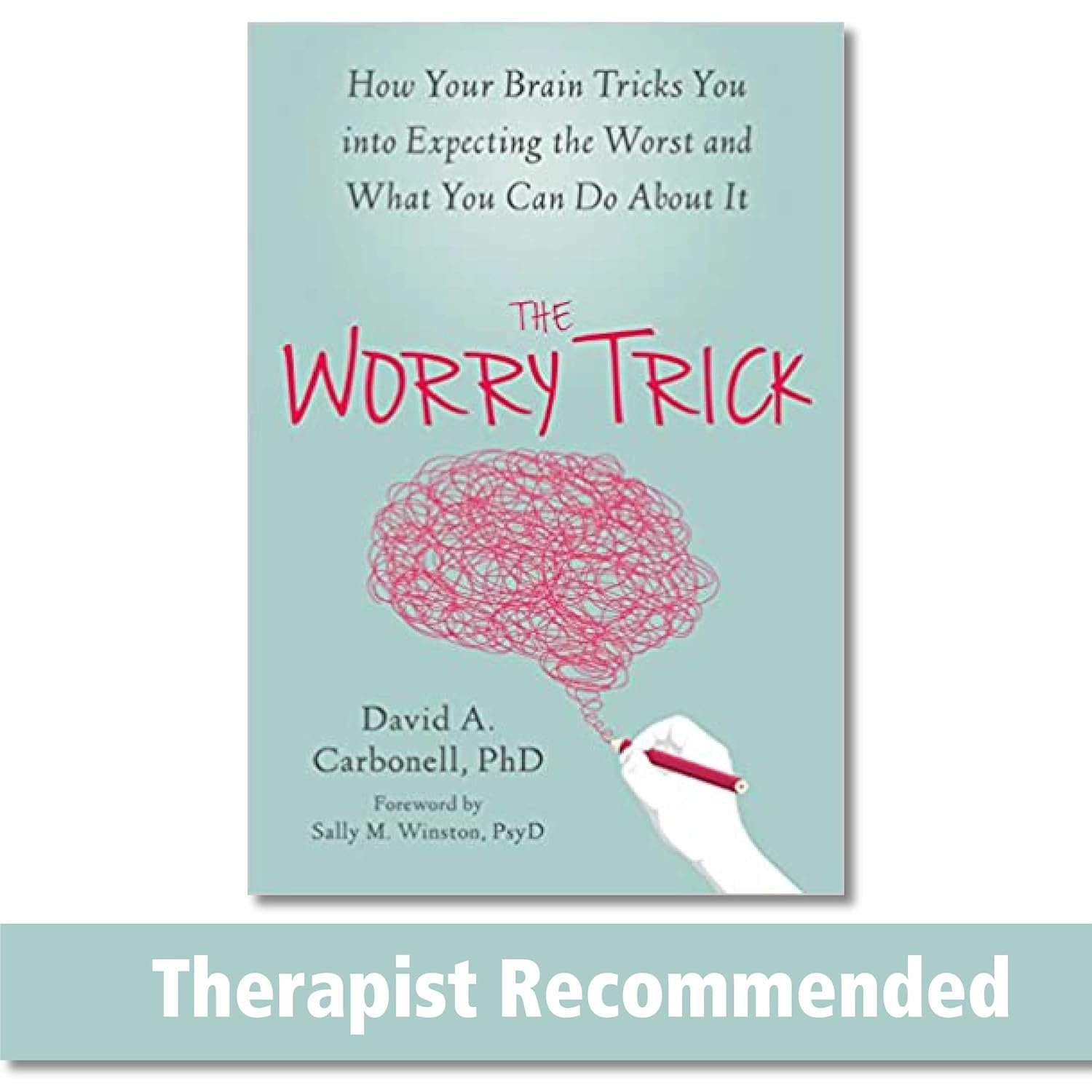 | 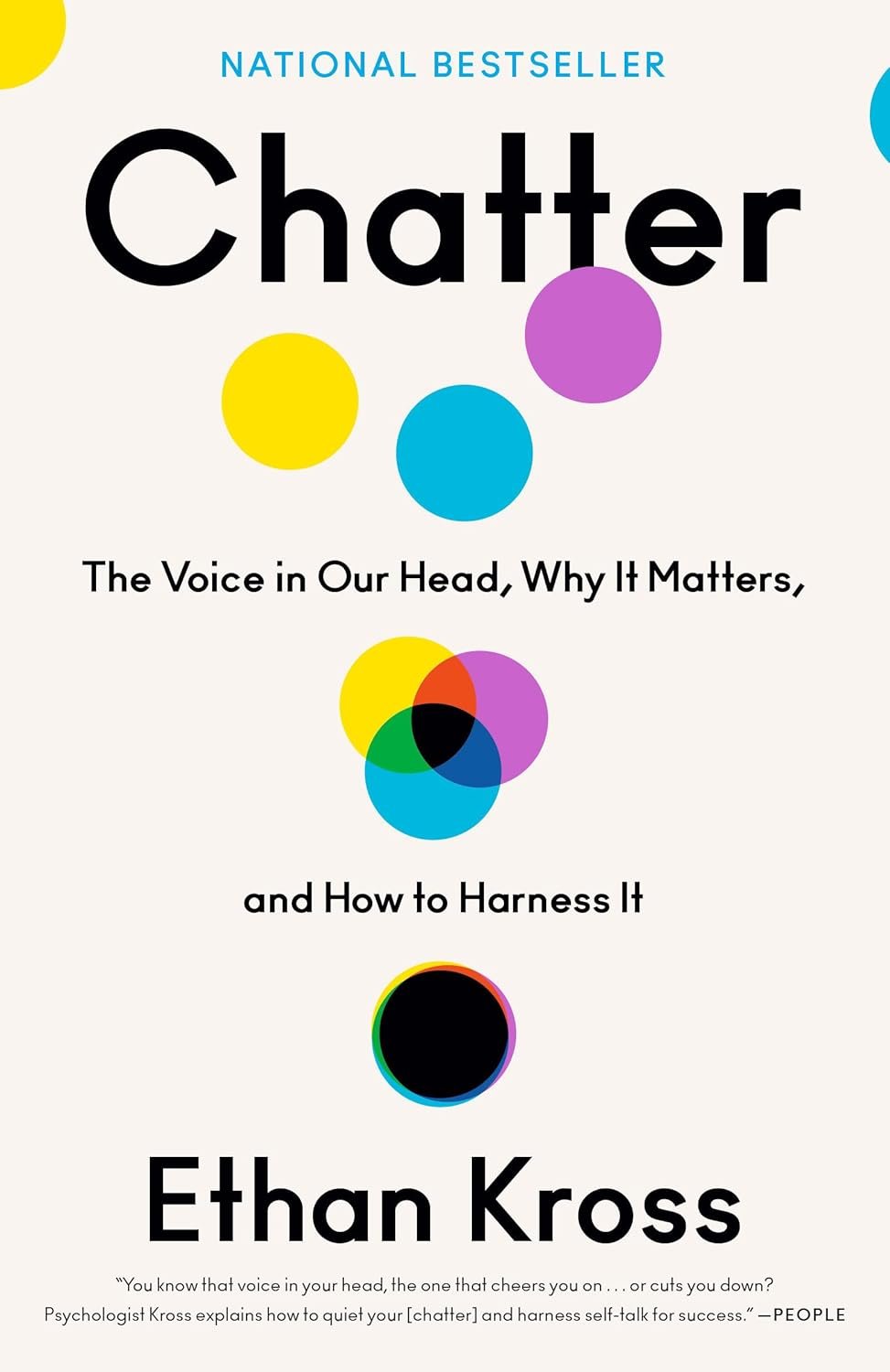 | 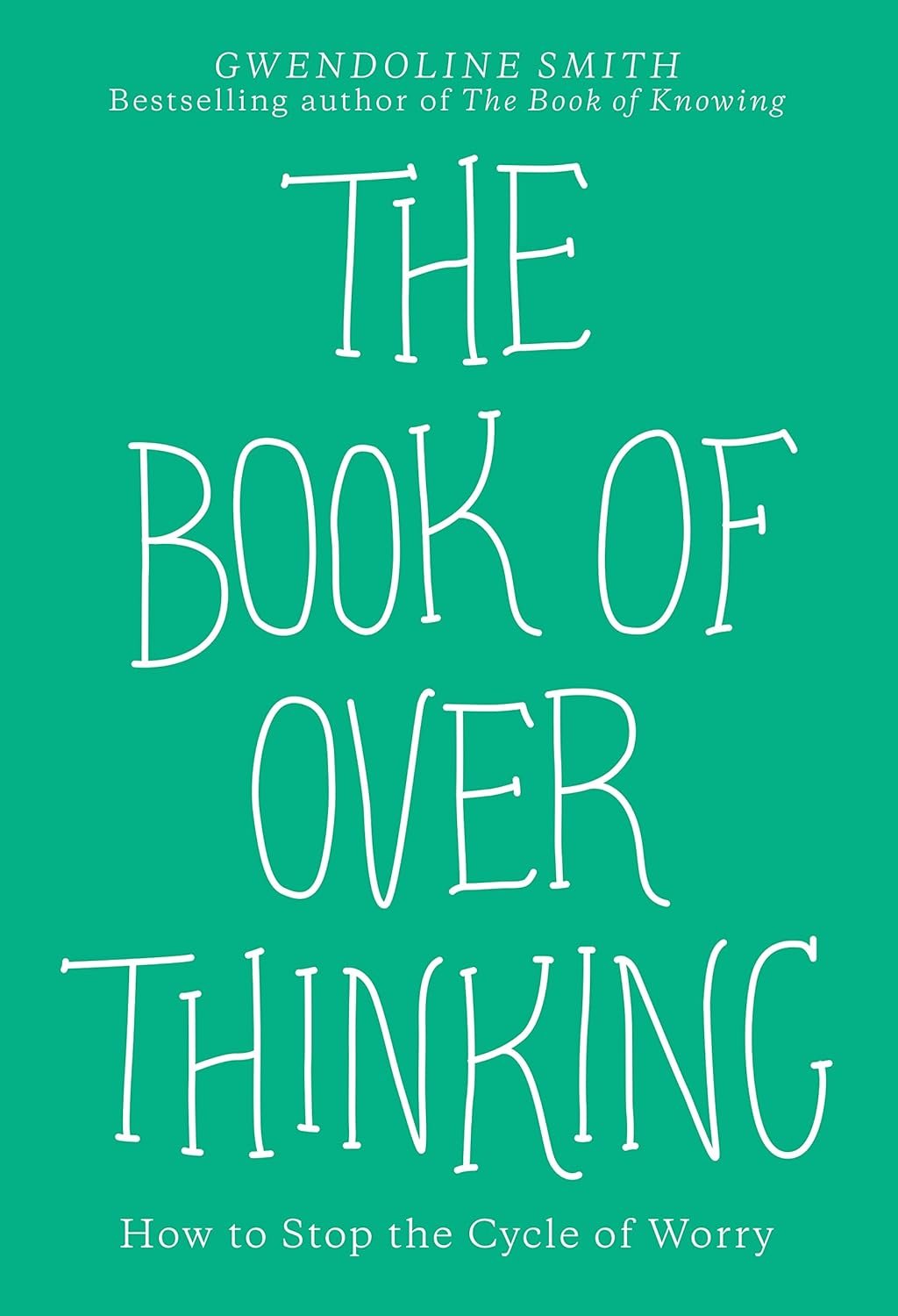 | 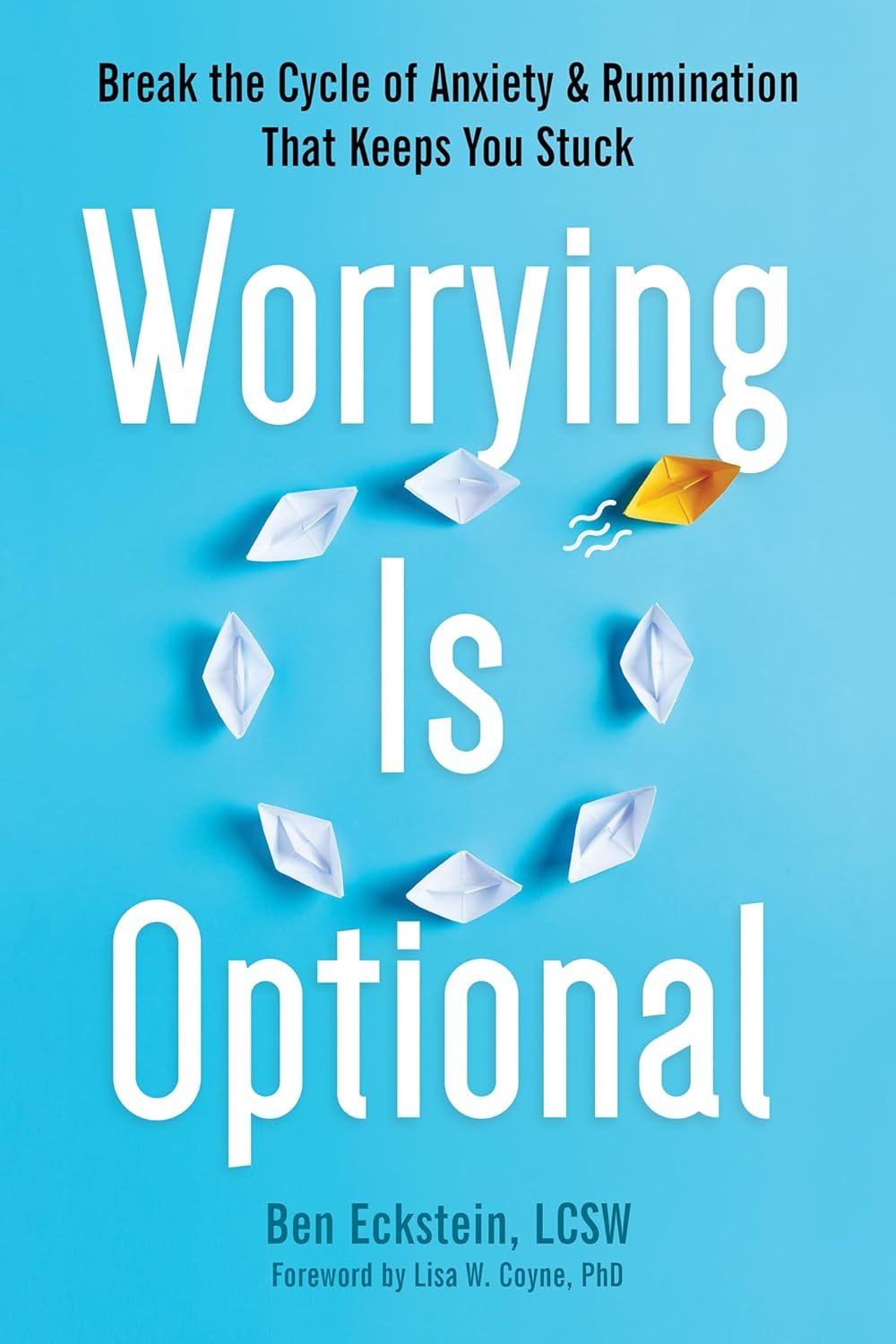 | 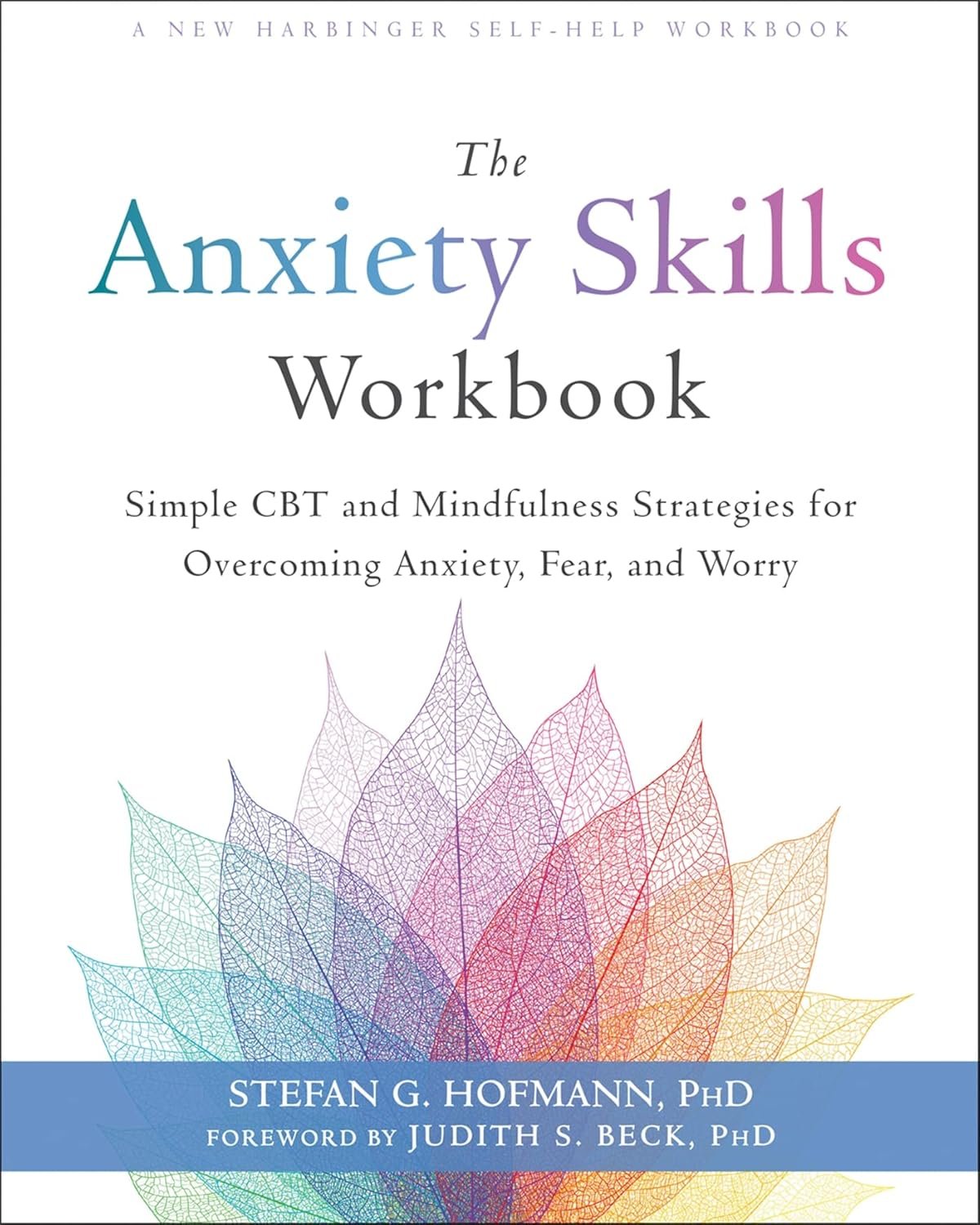 | 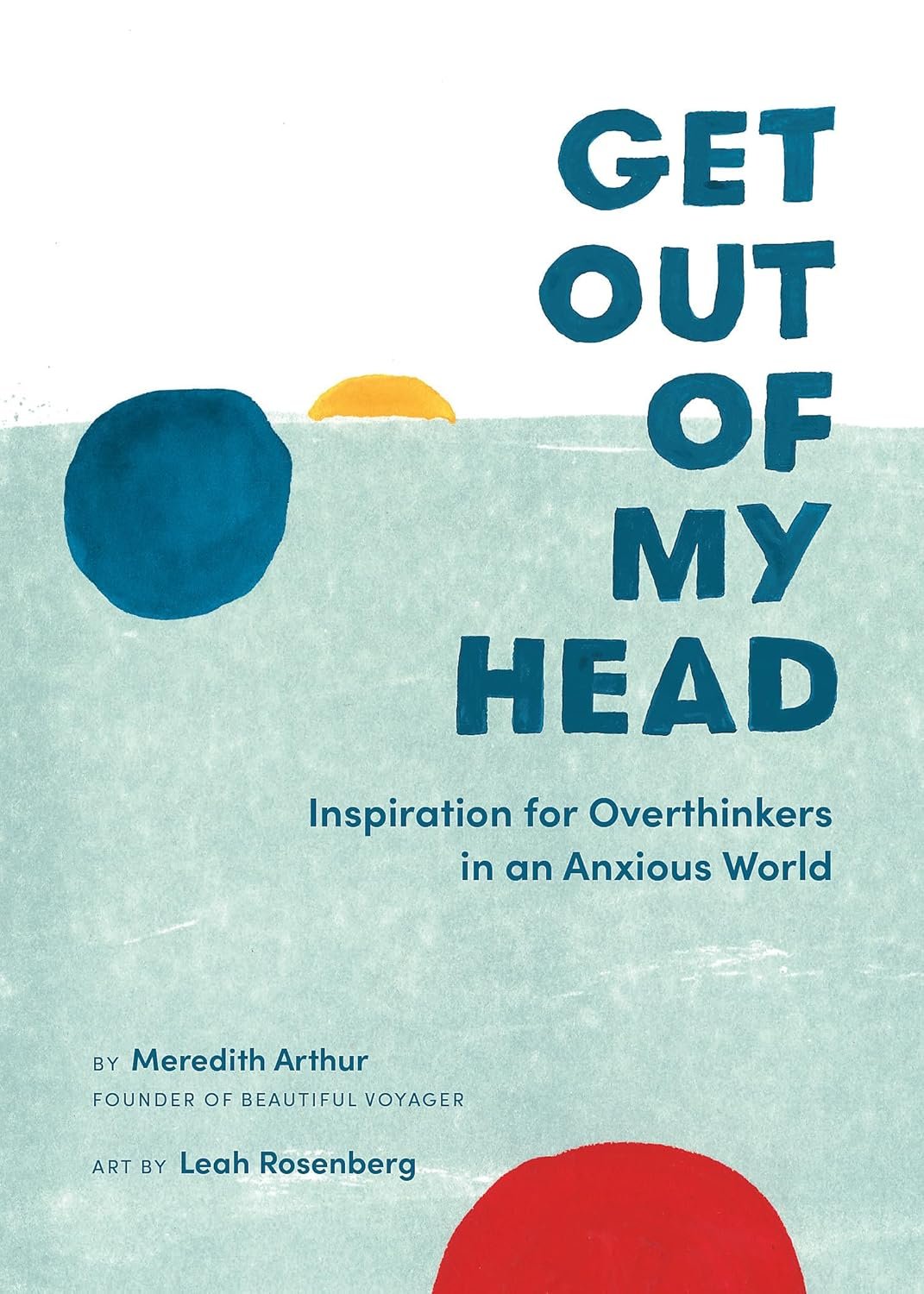 | 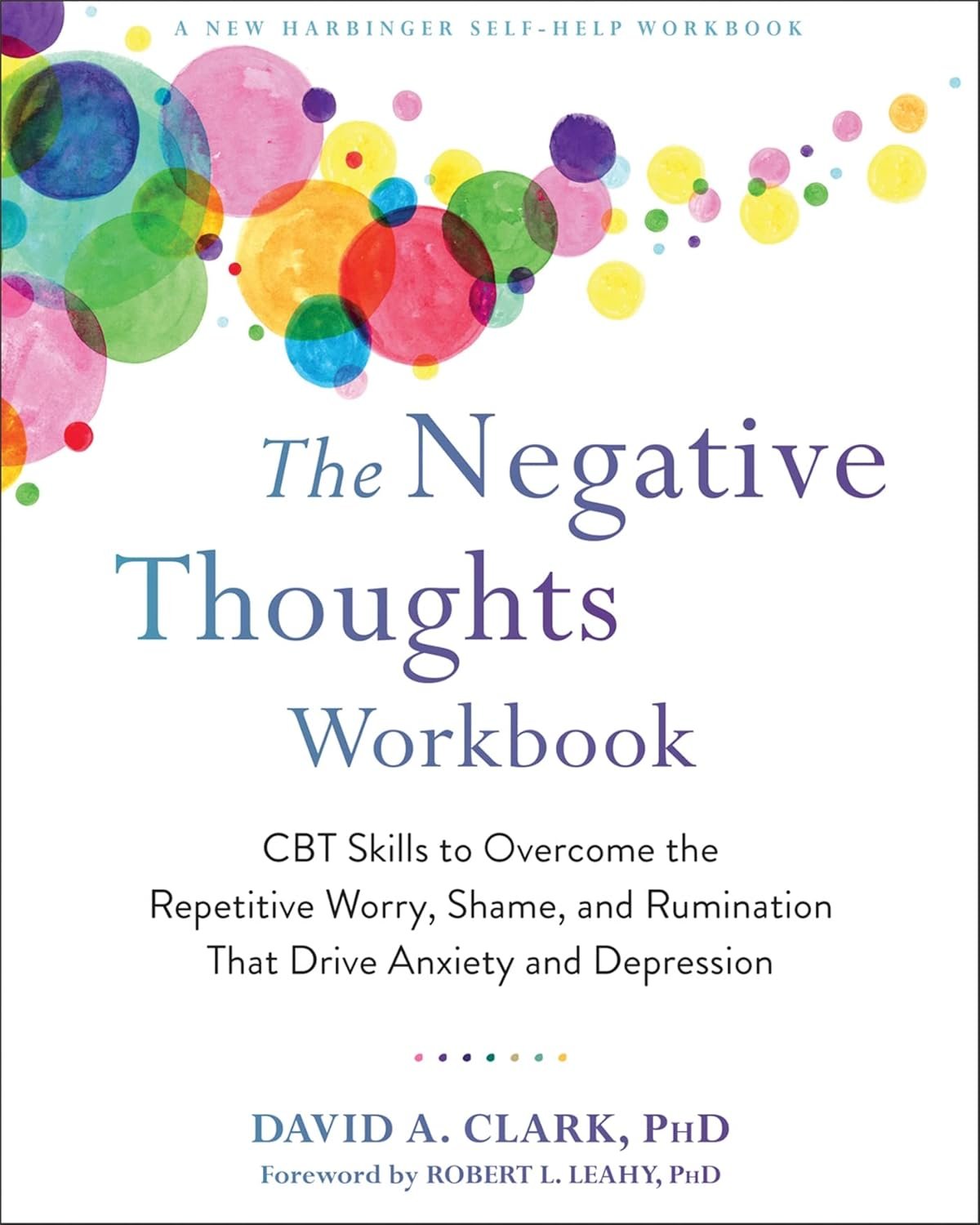 | 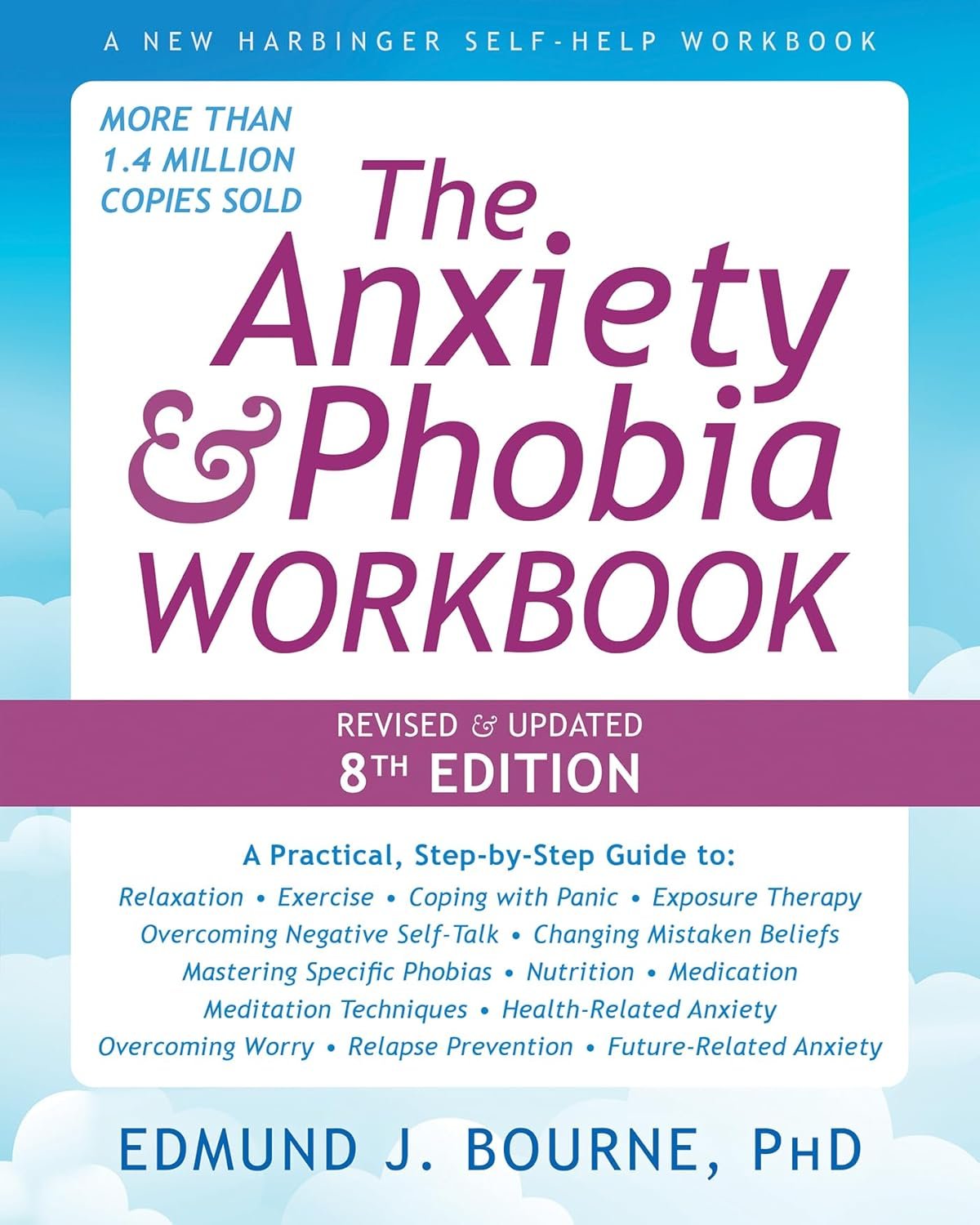 | |
Author | David A. Carbonell, PhD | Ethan Kross, PhD | Gwendoline Smith | Ben Eckstein, PhD | Stefan G. Hofmann, PhD | Meredith Arthur | David A. Clark, PhD | Edmund J. Bourne, PhD |
Best for | Chronic worry and worst-case thinking | Mental chatter and self-talk spirals | General overthinking in daily life | Rumination plus uncertainty | Structured CBT practice | Gentle support for anxious overthinkers | Repetitive negative thoughts | Deep, comprehensive anxiety work |
Style | Practical therapist-led guide | Research-driven popular psychology | Very on-topic, accessible self-help | Newer evidence-based guide | Workbook | Illustrated, relatable guide | Workbook | Large, classic workbook |
Best if you want | To understand why worry hooks you | Science-backed tools for inner voice | A book that speaks directly to overthinking | A newer anti-worry framework | Exercises, not just insight | Something warm and non-intimidating | A focused rumination workbook | The most comprehensive toolkit |
Most useful mood | “My brain always expects the worst” | “My inner voice won’t shut up” | “I overthink everything” | “I keep looping and can’t drop it” | “I want homework and skill drills” | “I need help without dense jargon” | “I keep replaying negative thoughts” | “I want one big reference book” |
Price |  | | | | | | | |
Why this matters
People do not usually search overthinking because they are casually curious. They search it because their thoughts are taking up too much space. They feel mentally tired, emotionally flooded, stuck in indecision, or unable to relax even when nothing urgent is happening.
That matters because overthinking is not just annoying. APA says rumination involves repetitive dwelling on distress and its causes and consequences, and that this negative repetition can contribute to anxiety or depression and worsen existing symptoms. Research reviews have also found that repetitive negative thinking is involved in the development and maintenance of psychopathology, not just a side effect of it.
The short answer: what overthinking really is
If you want the simplest explanation, here it is:
- Problem-solving leads to a next step.
- Overthinking leads to more thinking.
That difference matters. Thinking is not the enemy. The issue is when your mind keeps reopening the same mental tab without giving you anything useful to do.
Signs you may be overthinking
Overthinking often shows up as:
- replaying conversations after they end
- rereading texts or emails and guessing what people meant
- imagining worst-case outcomes before anything has happened
- feeling frozen because every choice feels too loaded
- struggling to relax because your brain keeps scanning for problems
- lying in bed mentally reviewing the day
- asking for reassurance and still not feeling settled afterward
Verywell Mind notes that common signs include repetitive thoughts, mental overdrive, indecisiveness, and second-guessing. GoodRx adds that overthinking can leave you feeling stuck and unable to take action.
Is overthinking a mental illness?
No. Overthinking itself is not a recognized mental health condition. Cleveland Clinic is explicit about that. But it can be a symptom of depression or anxiety, and it often overlaps with worry, rumination, catastrophizing, and other mental habits that can make distress worse.
That means the goal is not to diagnose yourself from one habit. The goal is to notice the pattern and take it seriously enough to respond well.
Recommended Books for Overthinking
- If your mind always goes to worst-case scenarios, start with The Worry Trick.
- If your issue is nonstop inner narration, start with Chatter.
- If you want the book that speaks most directly to overthinking, start with The Book of Overthinking.
- If you want a newer anti-rumination framework, start with Worrying Is Optional.
- If you want exercises and structured practice, start with The Anxiety Skills Workbook or The Negative Thoughts Workbook.
- If you want something gentler and less clinical, start with Get Out of My Head.
- If you want one big, comprehensive reference, start with The Anxiety and Phobia Workbook.
Why people overthink
Overthinking often starts as an attempt to feel safer, more prepared, or more in control. Your mind tells you that if you just review one more angle, you will finally feel certain. But the loop usually works in the opposite direction. The more you think, the more uncertain and activated you feel. Psyche’s guide on overthinking describes this as a vicious cycle, and notes that reassurance-seeking, threat monitoring, and excessive planning can actually keep the cycle going.
There are also common reasons it gets worse:
Anxiety
NIMH says anxiety disorders involve more than occasional worry. For people with these disorders, anxiety does not go away easily, shows up in many situations, and can worsen over time. Generalized anxiety disorder, in particular, involves excessive worry that is hard to control, along with symptoms like restlessness, trouble relaxing, difficulty concentrating, irritability, sleep problems, and tension.
Depression and rumination
APA and research reviews both link rumination with depression and anxiety. When your thoughts keep circling around mistakes, losses, or personal flaws, that kind of repetitive dwelling can deepen emotional suffering rather than process it.
Stress and overload
When life feels uncertain or demanding, the brain often tries to “solve” that feeling by thinking harder. But that can quickly turn into analysis paralysis, mental fatigue, and decision avoidance. Verywell Mind’s analysis paralysis content describes overthinking as getting so overwhelmed by a decision that it becomes harder to make one at all.
Recommended Products for Overthinking
Product | Type | Best for | What stands out | Price | |
|---|---|---|---|---|---|
 | Weighted blanket | Bedtime anxiety and restless sleep | Deep-pressure comfort, premium build, removable cover | | |
 | Weighted sleep mask | Nighttime racing thoughts and travel | Gentle weighted pressure around eyes and temples, strap-free design | | |
 | Diffuser | Wind-down routines and calming sensory cues | Compact size, mist modes, waterless auto-off | | |
 | Acupressure mat | Stress that shows up as body tension | Very direct physical reset, especially for back and shoulders | | |
 | Heated massager | Tight neck, shoulders, and upper back | Deep kneading plus heat | | |
 | Hot/cold mask | Forehead, eye-area, and facial tension | Flexible hot/cold relief and easy repeat use | | |
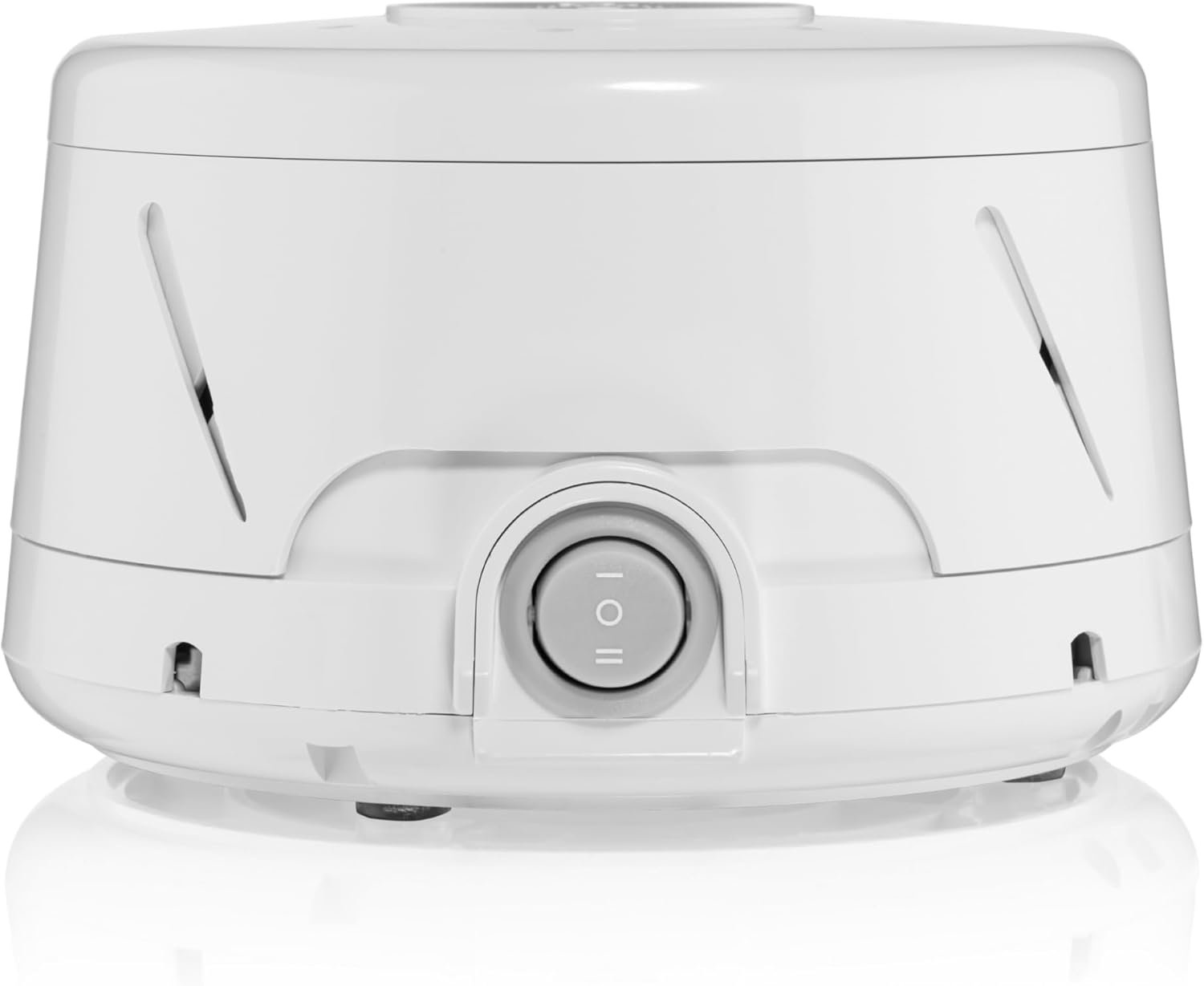 | White noise machine | Noise-sensitive sleepers and overstimulated brains | Real fan-based, non-looping sound | | |
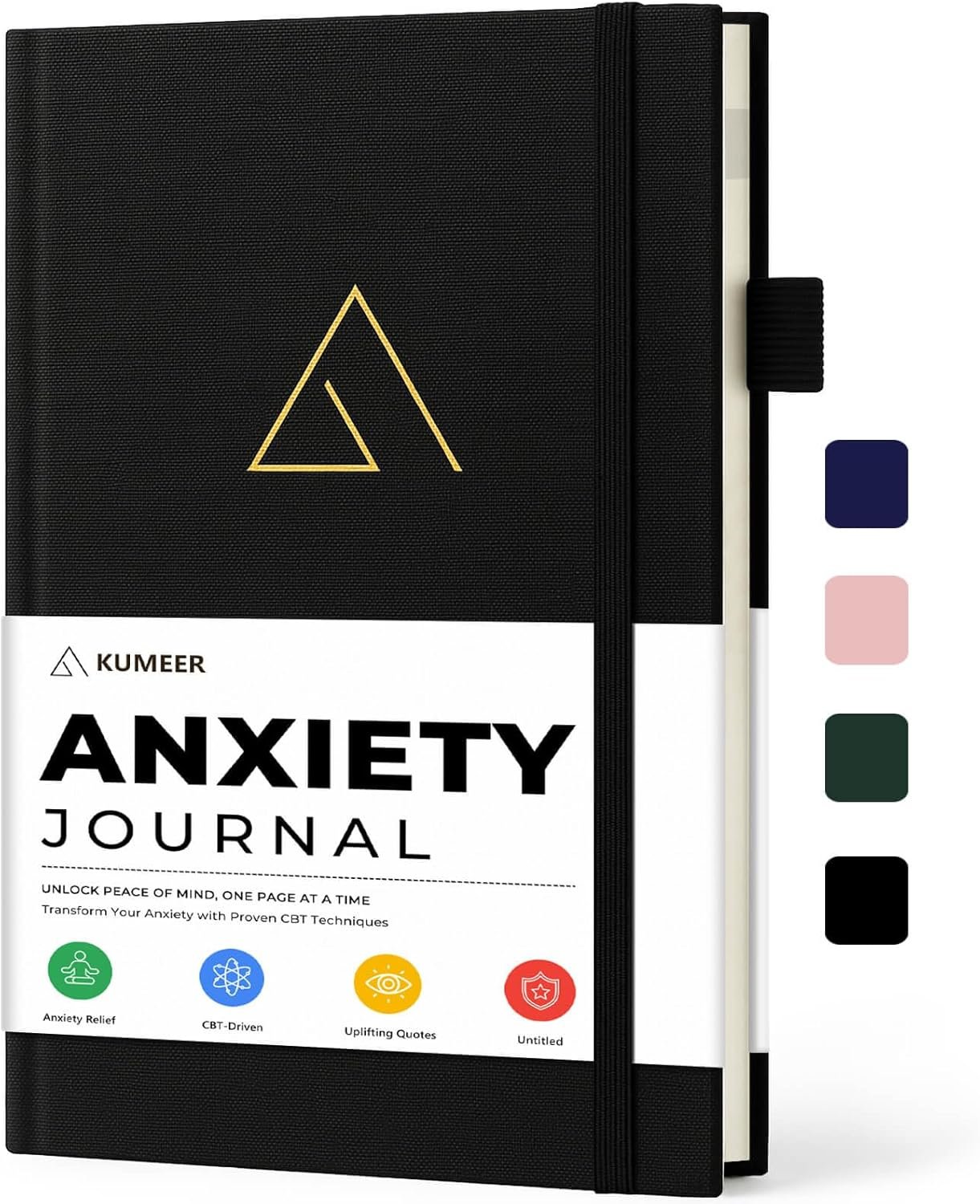 | Guided CBT notebook | Thought spirals and overthinking | Therapist-made CBT structure | | |
 | Fidget tool | Restless hands and anxious energy | Twistable tactile motion, easy to use | | |
 | Textured sensory stickers | Quiet, discreet grounding at work or school | Reusable, low-profile, always-there tactile cue | |
The two most common kinds of overthinking
1. Rumination about the past
This is the backward-facing kind. You replay what happened, what you said, what you should have noticed, or how things could have gone differently. GoodRx specifically describes overthinking as often falling into the category of ruminating about the past.
This version often sounds like:
- “Why did I say that?”
- “What if they think I’m ridiculous?”
- “I should have handled that differently.”
2. Worry about the future
This is the forward-facing kind. It sounds like preparation, but it usually becomes a stream of “what if” scenarios that keep you keyed up without helping you act. GoodRx identifies this future-oriented worry as the other main form of overthinking.
This version often sounds like:
- “What if something goes wrong?”
- “What if I make the wrong choice?”
- “What if I’m missing something important?”
What overthinking does to you
Overthinking can affect mood, sleep, concentration, confidence, and relationships. Cleveland Clinic says it creates more stress and tends to focus your attention on the negative. APA says rumination can worsen existing anxiety and depression. NIMH notes that excessive worry can make it harder to relax, sleep, and focus.
That is why people often say overthinking feels exhausting. It is exhausting. Your brain is acting like every thought deserves full investigation.
How to stop overthinking
This is the part most readers actually need. The goal is not to stop having thoughts. The goal is to stop feeding every loop.
1) Name the loop
The first move is simple: say to yourself, “I’m overthinking right now.”
That tiny sentence matters because it creates distance. It turns the thought from a fact into a pattern. Verywell Mind emphasizes recognizing unhelpful thought patterns before they spiral, and NHS self-help guidance begins with catching the worry pattern early.
2) Ask whether this is solvable right now
NHS recommends separating worries into those you can act on and those you cannot control right now. That is one of the most useful shifts for overthinkers.
Ask:
- Is this happening now?
- Can I do anything useful about it today?
- What is the next step?
- Or am I just trying to get certainty?
If there is a real next step, do that. If there is not, more thinking is probably not helping.
3) Use worry time instead of worrying all day
NHS recommends setting aside a short daily “worry time,” often 10 to 15 minutes, to write worries down and try to find solutions then, instead of letting them spread across the whole day.
This works because it teaches your brain that a worry can exist without needing immediate attention. It is not suppression. It is containment.
4) Stop seeking certainty through reassurance
Psyche’s metacognitive guide points out that threat monitoring, reassurance-seeking, and excessive planning often make overthinking worse. They feel protective, but they keep teaching your brain that the situation is dangerous and unresolved.
That means checking the text again, asking three friends what they think, or mentally reviewing the same moment for the tenth time may give short relief while keeping the bigger loop alive.
5) Challenge the scariest version of the story
NHS self-help CBT tools recommend checking the evidence for your thoughts and looking at them from a more balanced angle. Verywell Mind also points to challenging negative assumptions before they spiral.
Try questions like:
- What evidence supports this thought?
- What evidence does not support it?
- Am I filling in blanks with fear?
- What is another possible explanation?
The goal is not fake positivity. The goal is accuracy.
6) Get back into your body
Grounding can be especially helpful when overthinking is blending into anxiety. Cleveland Clinic says grounding techniques help bring you back into the present by focusing on what you can see, feel, touch, and hear, and specifically notes they can help with rumination and overthinking.
A simple option is the 3-3-3 technique:
- notice 3 things you can see
- notice 3 things you can hear
- notice 3 things you can touch
This does not solve the thought. It interrupts the spiral.
7) Take one small action
Overthinking thrives in delay. Action weakens it. If your brain is circling, ask, “What is the smallest useful thing I can do in the next 10 minutes?” That might be sending the email, making the appointment, writing one sentence, or stepping outside.
You do not need a perfect solution to take a small next step.
8) Accept that control is different from silence
One of the biggest traps is assuming that success means never having the thought again. That usually backfires. A better goal is shorter loops, less urgency, less checking, and less time spent inside the spiral. Psyche’s guide describes overthinking as a learned habit that can be changed, which is a much more useful frame than expecting instant mental silence.
A fast reset for overthinking
When you notice yourself spiraling, use this:
- Name it: “This is overthinking.”
- Sort it: solvable now or not solvable now?
- Contain it: move non-urgent worries to worry time.
- Ground it: use your senses or your breath.
- Do one thing: take one real-world action.
This is often more effective than trying to argue your way out of every thought.
When overthinking may mean more than stress
Sometimes overthinking is just a rough patch. Sometimes it is part of a bigger anxiety picture. NIMH says GAD involves worry that is excessive, hard to control, and present more days than not for at least six months, along with symptoms like restlessness, trouble concentrating, sleep problems, irritability, and muscle tension.
It is worth getting help if overthinking is affecting sleep, work, school, relationships, or your ability to function. NHS also notes that if anxiety, fear, or panic is affecting your life, support is available.
FAQ
Is overthinking the same as anxiety?
Not exactly. Overthinking is a pattern of repetitive mental looping. Anxiety is a broader emotional and physical state. But they often overlap, and Cleveland Clinic says overthinking is commonly associated with anxiety.
Is overthinking a mental disorder?
No. Cleveland Clinic says overthinking is not a recognized mental health condition. But it can be a symptom of anxiety or depression and can still seriously affect your wellbeing.
Why do I overthink everything?
Usually because your mind is trying to protect you from uncertainty, mistakes, or emotional pain. The problem is that repetitive negative thinking often increases stress instead of reducing it.
Can overthinking cause anxiety?
It can absolutely fuel anxious feelings. APA says rumination can contribute to the development of anxiety and worsen existing conditions.
What is the fastest way to stop overthinking?
The fastest pattern interrupt is usually to label the loop, separate real problems from hypothetical ones, ground yourself in the present, and take one small action. NHS and Cleveland Clinic both support versions of this approach.
Other Interesting Articles
- Free Therapy Worksheets at Paul Wellness
- 10 of the Best Anxiety Relief Products
- Best Journal for Overthinkers
- Best Books for Overthinking
About the Author
Paul Wellness
Paul Wellness is a mental-health professional and writer dedicated to helping individuals and couples strengthen relationships through evidence-based insight and emotional growth. Combining therapeutic expertise with practical tools, Paul Wellness empowers readers to create trust, connection, and lasting love.
Final takeaway
Overthinking is repetitive mental looping that feels useful but usually keeps you stuck. The most effective response is not to think harder. It is to notice the loop sooner, stop feeding it with reassurance and endless review, ground yourself in the present, and take one real step forward. That is how overthinking starts losing its grip.