 by
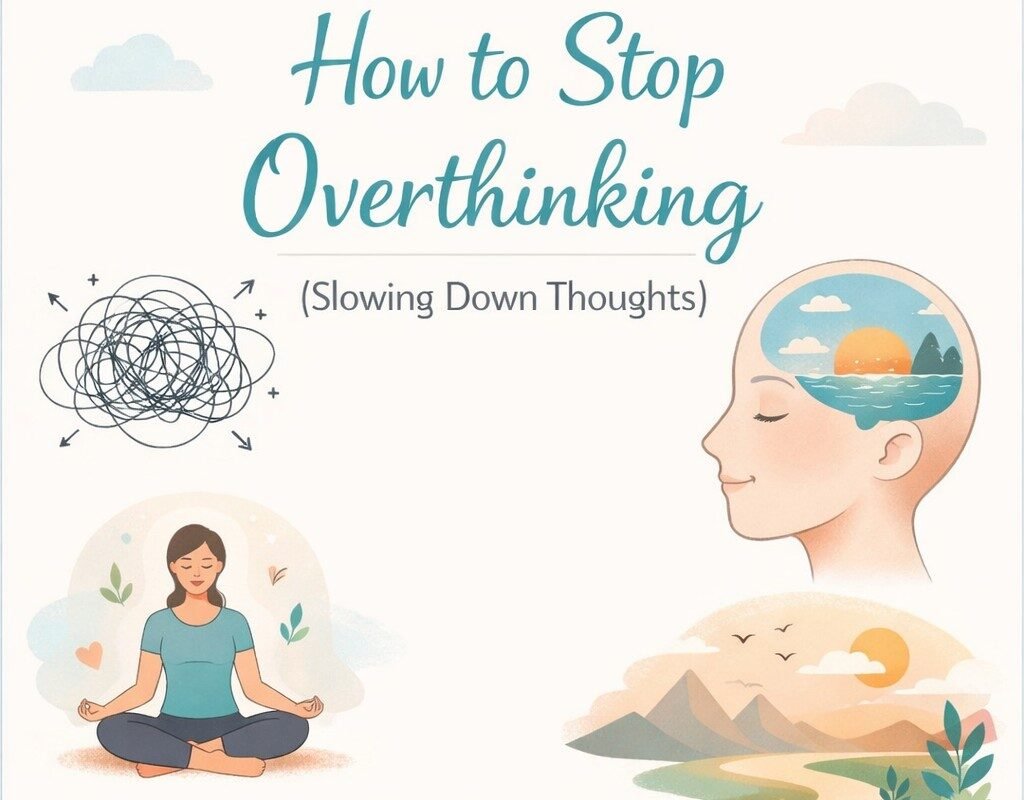
by If you want to know how to stop overthinking, the answer is not “think harder until you feel certain.” It is this: notice the loop, stop treating every thought like a problem to solve, contain worry instead of feeding it all day, and take one small action that brings you back into real life. Clinical guidance for anxiety and worry supports strategies like worry time, thought-checking, grounding, and CBT-based tools, and research on self-distancing and metacognitive approaches suggests that changing how you respond to thoughts can reduce rumination.
Overthinking usually feels productive in the moment. It can feel like preparation, caution, or trying to “figure it out.” But when your mind keeps replaying the past or rehearsing the future without leading to a useful decision, you are probably no longer solving a problem. You are stuck in a mental loop.
Best Books for Overthinking: Comparison Table
Feature | ||||||||
|---|---|---|---|---|---|---|---|---|
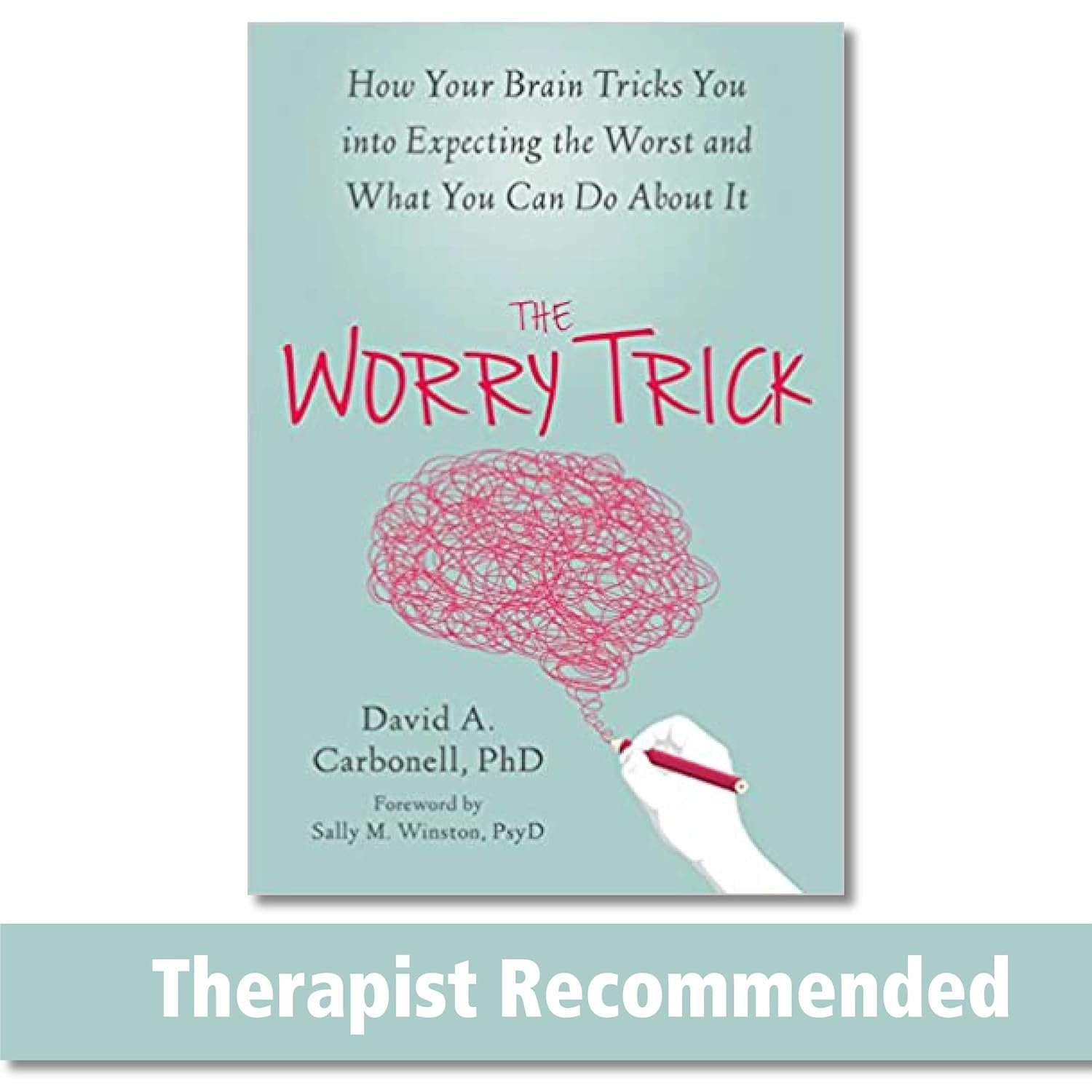 | 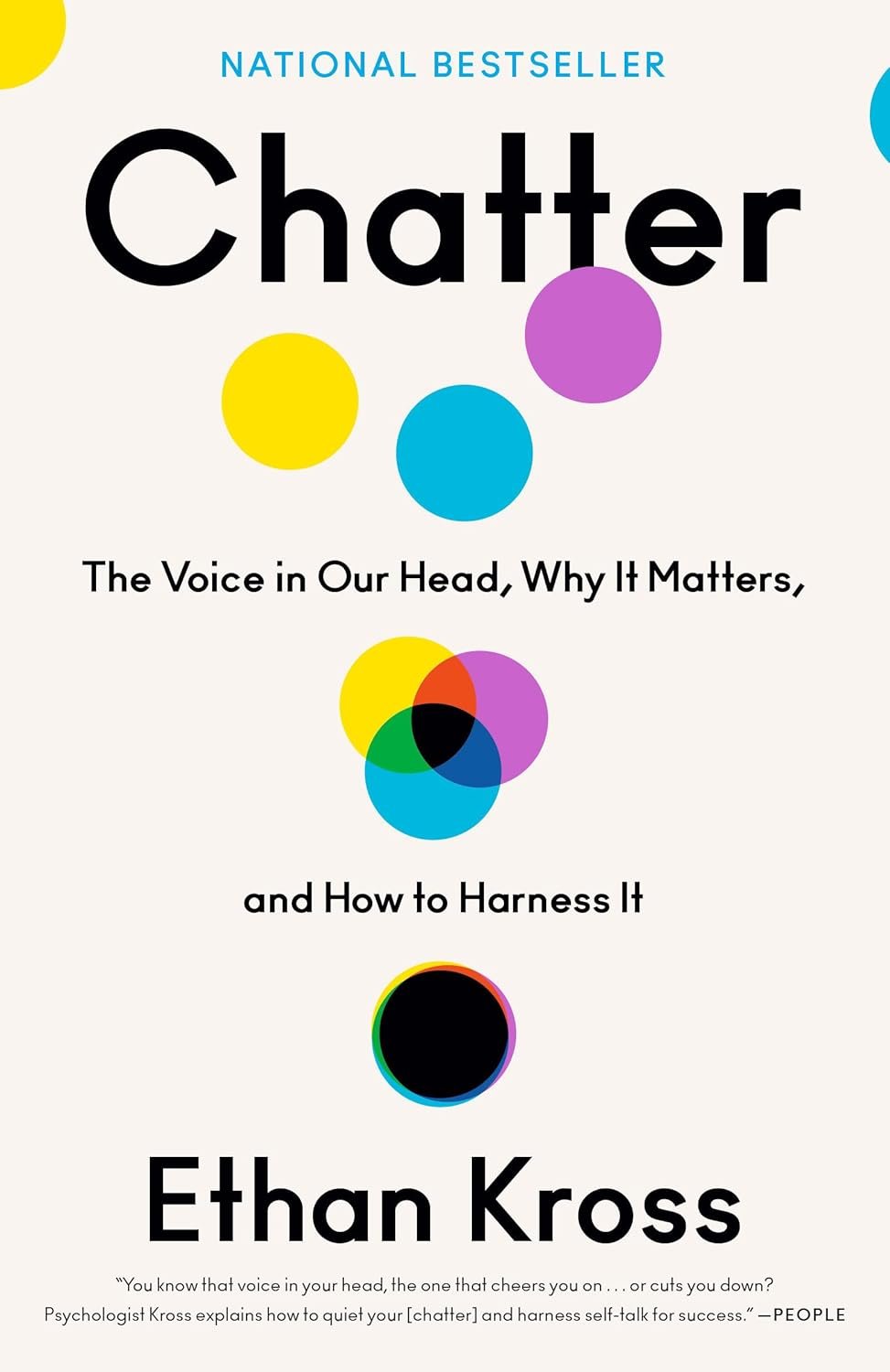 | 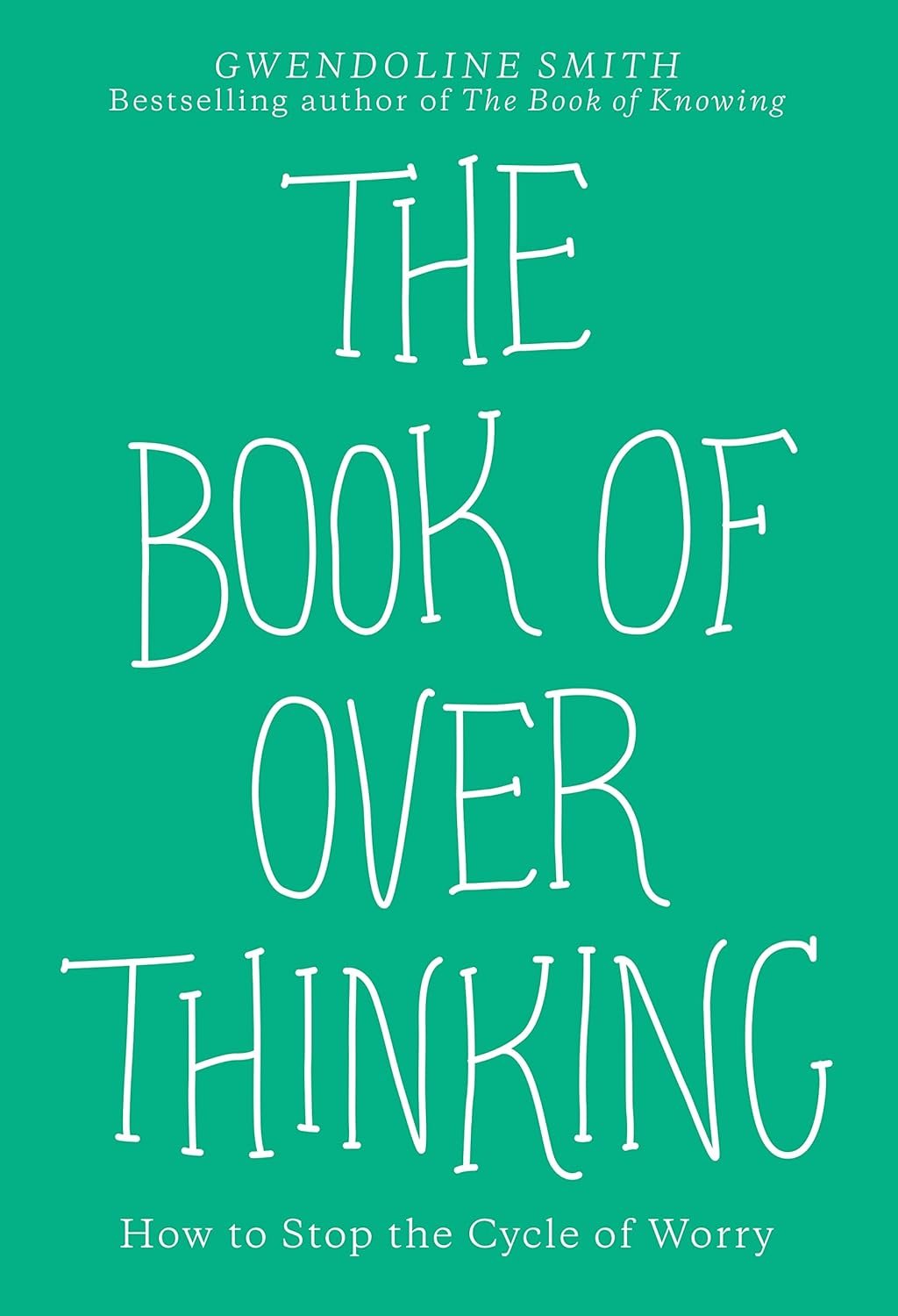 | 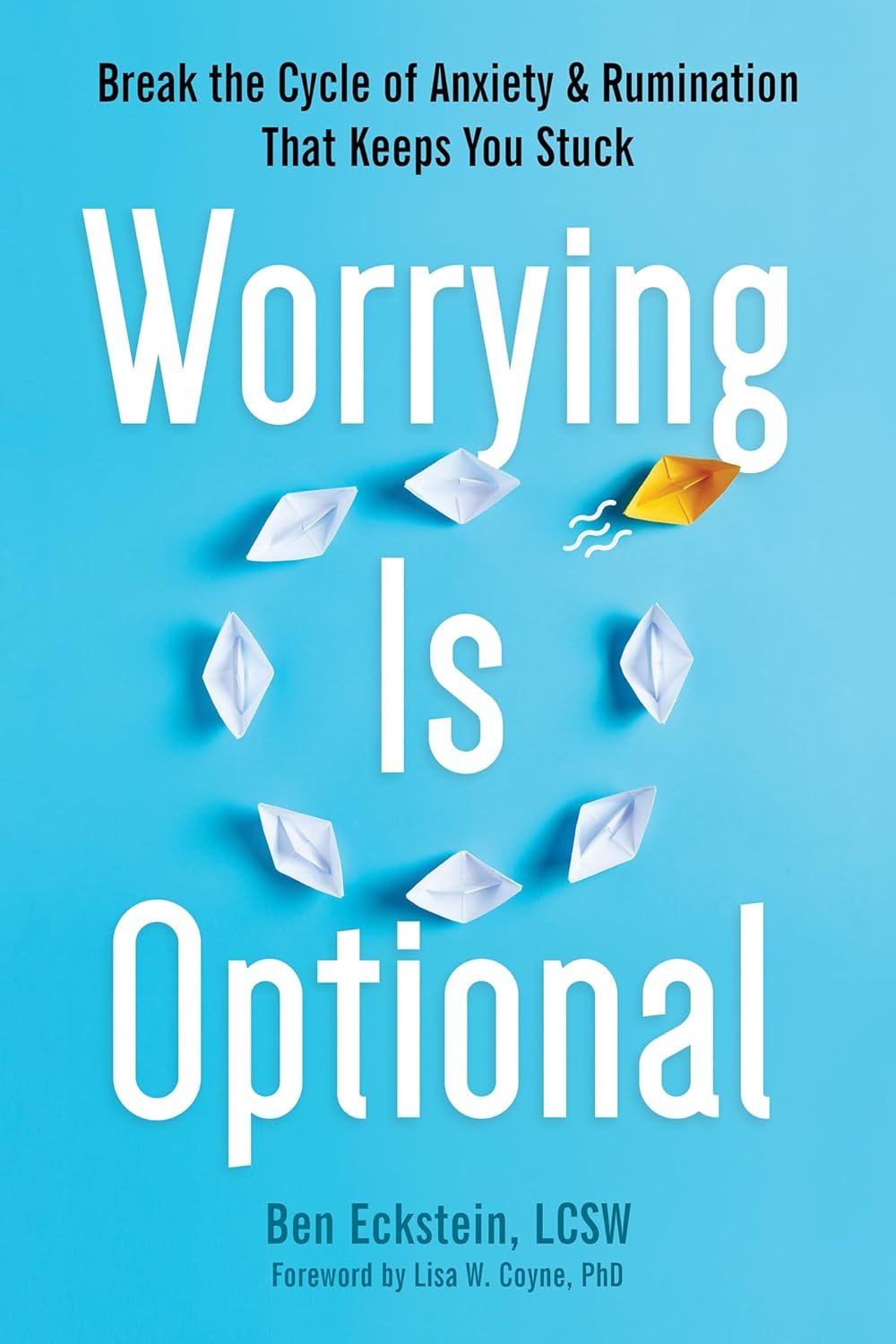 | 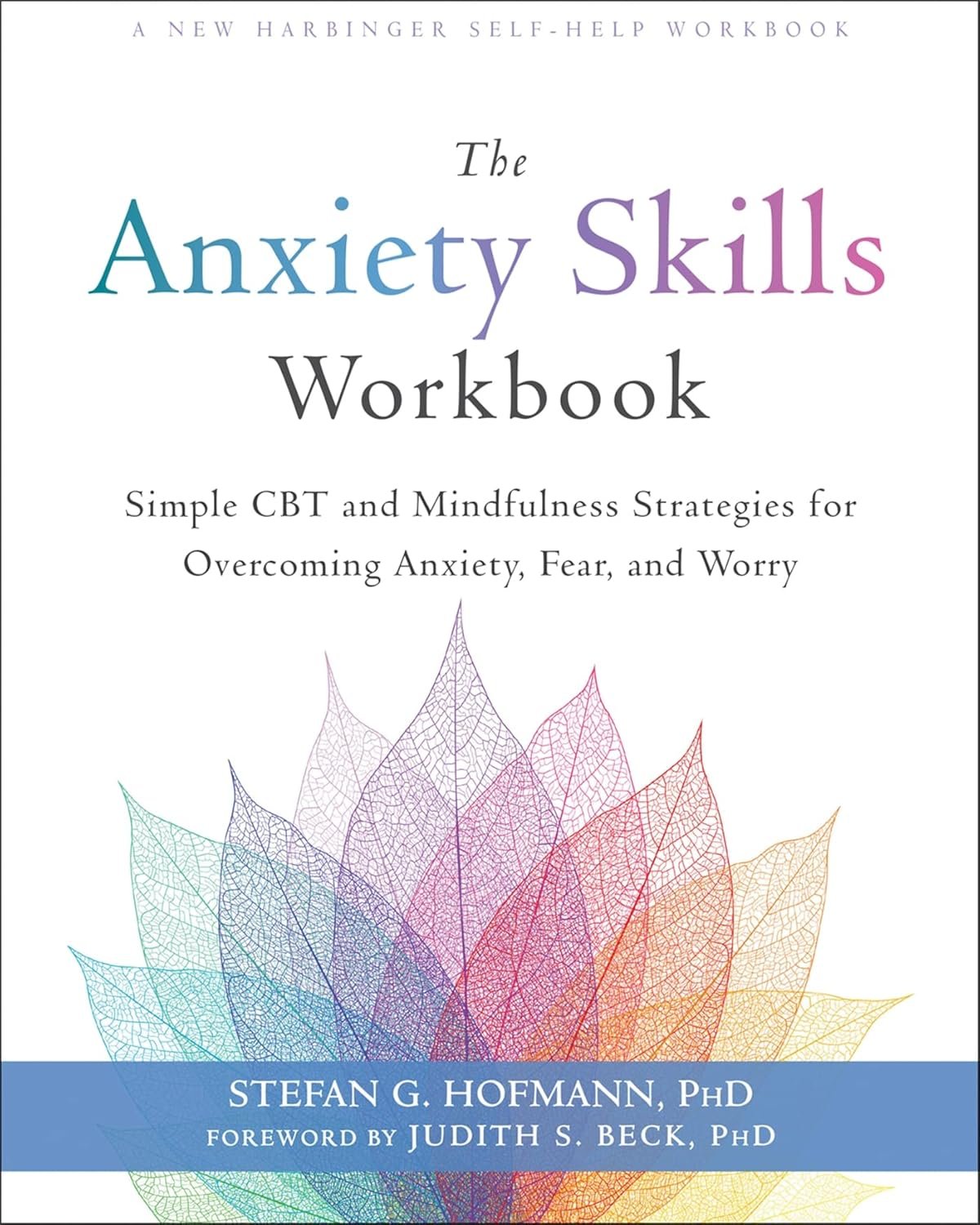 | 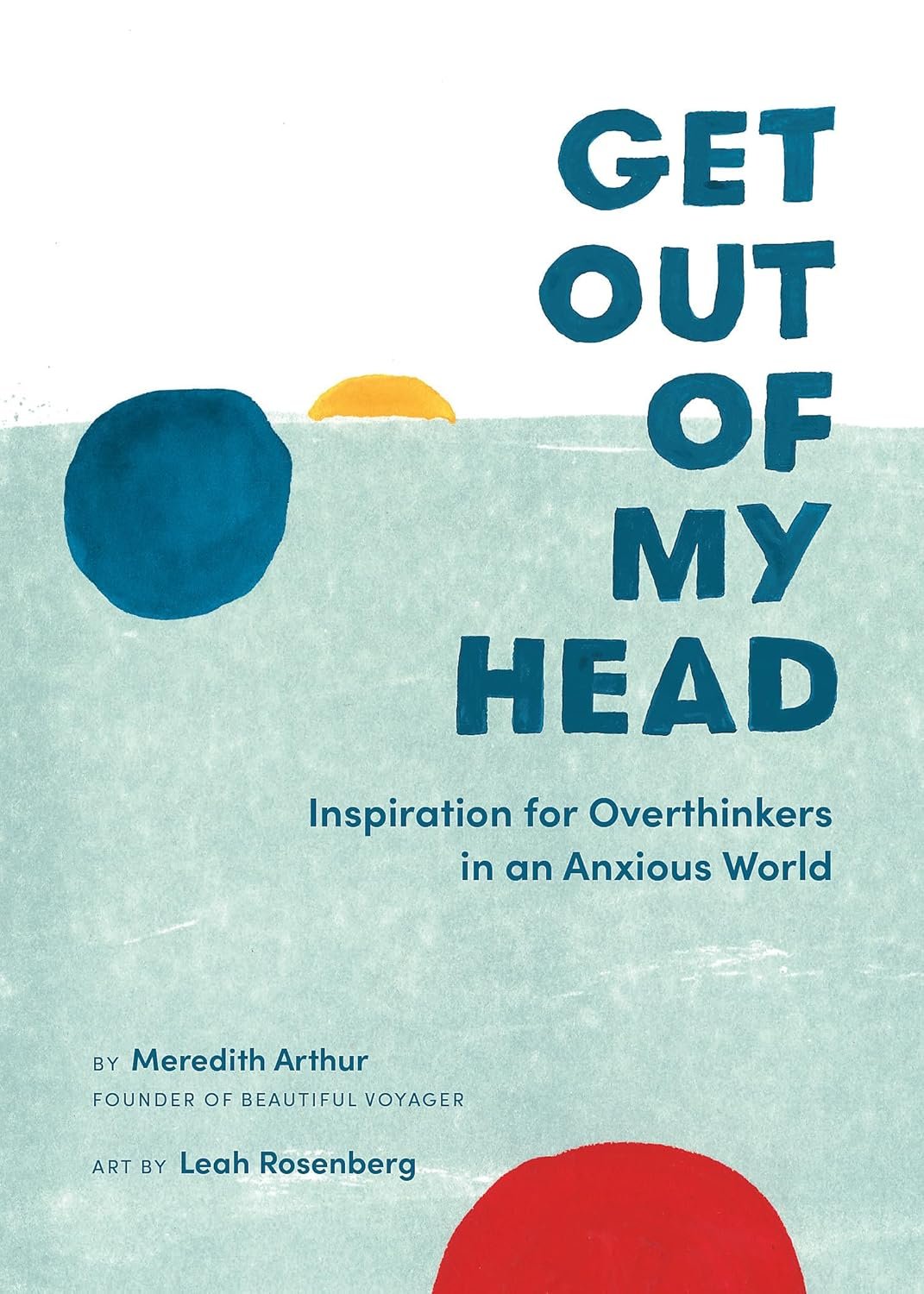 | 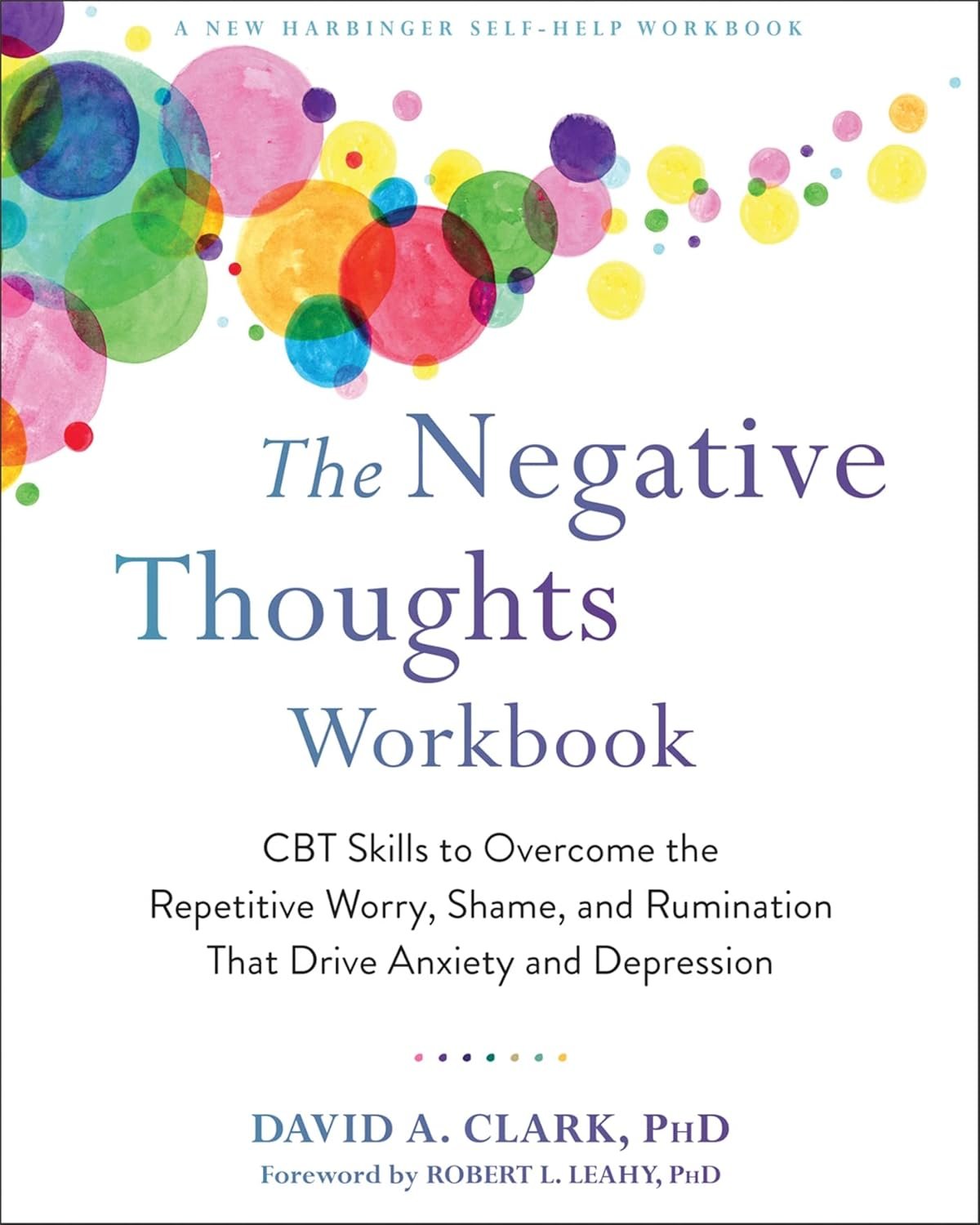 | 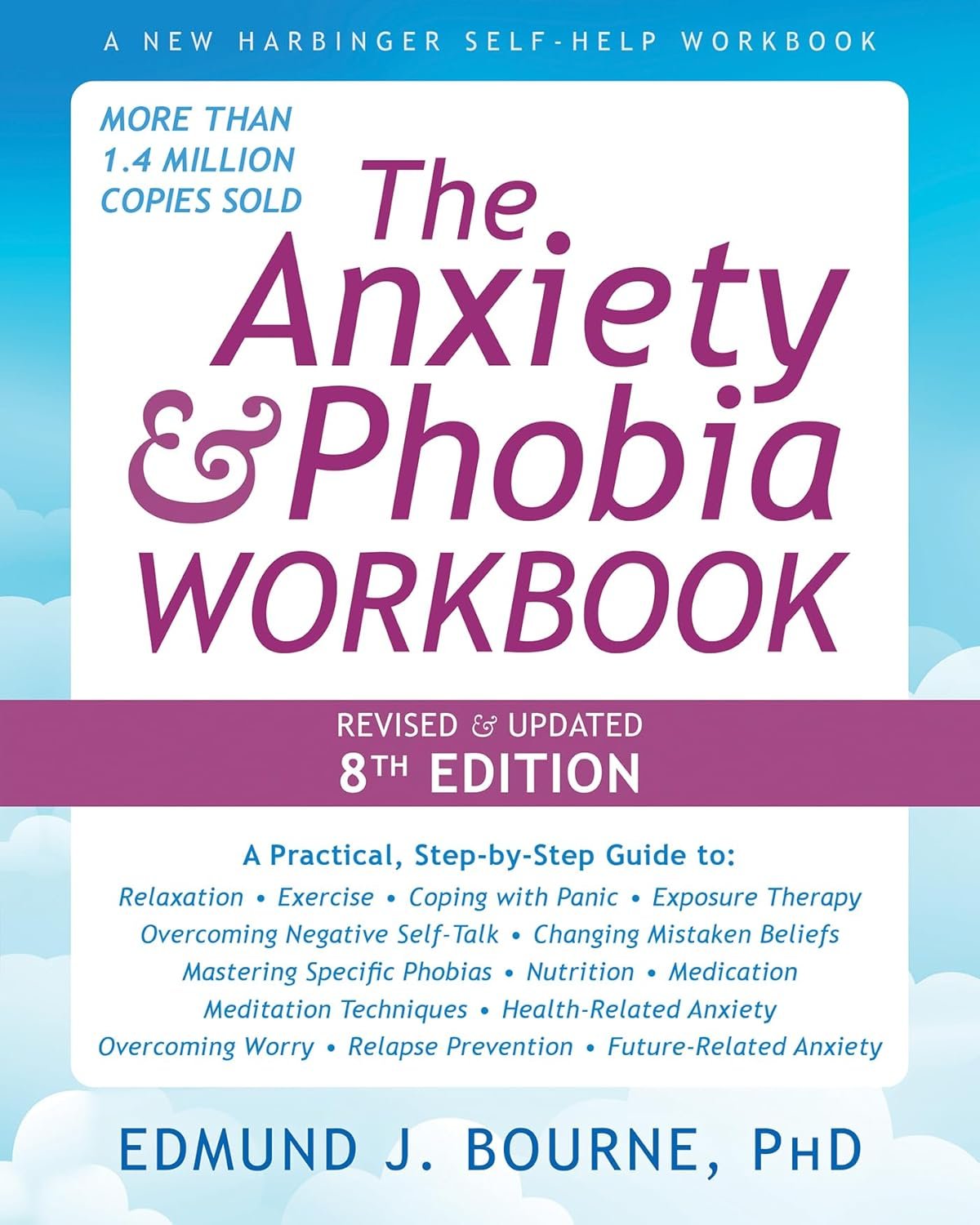 | |
Author | David A. Carbonell, PhD | Ethan Kross, PhD | Gwendoline Smith | Ben Eckstein, PhD | Stefan G. Hofmann, PhD | Meredith Arthur | David A. Clark, PhD | Edmund J. Bourne, PhD |
Best for | Chronic worry and worst-case thinking | Mental chatter and self-talk spirals | General overthinking in daily life | Rumination plus uncertainty | Structured CBT practice | Gentle support for anxious overthinkers | Repetitive negative thoughts | Deep, comprehensive anxiety work |
Style | Practical therapist-led guide | Research-driven popular psychology | Very on-topic, accessible self-help | Newer evidence-based guide | Workbook | Illustrated, relatable guide | Workbook | Large, classic workbook |
Best if you want | To understand why worry hooks you | Science-backed tools for inner voice | A book that speaks directly to overthinking | A newer anti-worry framework | Exercises, not just insight | Something warm and non-intimidating | A focused rumination workbook | The most comprehensive toolkit |
Most useful mood | “My brain always expects the worst” | “My inner voice won’t shut up” | “I overthink everything” | “I keep looping and can’t drop it” | “I want homework and skill drills” | “I need help without dense jargon” | “I keep replaying negative thoughts” | “I want one big reference book” |
Price |  | | | | | | | |
The short version: what to do in the next 5 minutes
When you catch yourself spiraling, do this:
- Name it: “I’m overthinking right now.”
- Sort it: Is this a real problem I can act on today, or a hypothetical one?
- If it is solvable: Write the next step in one sentence.
- If it is not solvable right now: Put it in a scheduled worry period.
- Shift your attention on purpose: Stand up, drink water, stretch, step outside, or do a 5-minute task.
- Talk to yourself like someone you care about: not like a prosecutor.
That may sound simple. It is simple. But simple is not the same as easy. Overthinking usually calms down when you stop arguing with every thought and start redirecting your mind and body toward something concrete.
What overthinking actually is
Overthinking is not a formal diagnosis by itself. It is more like a style of mental stuckness that often shows up with anxiety, stress, depression, perfectionism, or relationship insecurity. It can also overlap with OCD-like patterns in some people, especially when the loop includes repeated checking, reassurance-seeking, or mental reviewing that feels impossible to stop.
A helpful way to understand it is this:
- Worry usually points forward. It asks, “What if something bad happens?”
- Rumination usually points backward. It asks, “Why did that happen?” or “Why am I like this?”
- Problem-solving leads to a next step.
- Overthinking keeps reopening the same tab in your mind.
That distinction matters. You do not need to stop thinking altogether. You need to stop the kind of thinking that keeps you activated without helping you move.
Recommended Books for Overthinking
- If your mind always goes to worst-case scenarios, start with The Worry Trick.
- If your issue is nonstop inner narration, start with Chatter.
- If you want the book that speaks most directly to overthinking, start with The Book of Overthinking.
- If you want a newer anti-rumination framework, start with Worrying Is Optional.
- If you want exercises and structured practice, start with The Anxiety Skills Workbook or The Negative Thoughts Workbook.
- If you want something gentler and less clinical, start with Get Out of My Head.
- If you want one big, comprehensive reference, start with The Anxiety and Phobia Workbook.
Signs you are overthinking instead of solving
You are probably overthinking when:
- you keep replaying the same conversation
- you feel more confused the longer you think
- you keep searching for certainty that never arrives
- you ask the same people for reassurance again and again
- you feel frozen, tired, or unable to decide
- your body is tense even though you have not actually acted on anything yet
A good rule is this: if ten more minutes of thinking does not produce a clearer next step, more thinking is probably not the answer.
7 ways to stop overthinking that actually help
1) Catch the loop early
The earlier you notice overthinking, the easier it is to interrupt. NHS guidance on unhelpful thoughts uses a simple pattern: catch it, check it, change it. You do not need to wait until you are fully spiraling. Catching the loop at the “I’m doing it again” stage is often enough to create a little distance.
Try this sentence:
“This is a loop, not an emergency.”
That phrase works because it does two things at once. It names what is happening, and it stops your brain from treating every anxious thought like urgent news.
Example:
You send a text. Ten minutes later, you are rereading it, guessing the other person’s tone, checking when they were last online, and building five different explanations in your head. Instead of asking, “What did I do wrong?” start with, “I’m in a loop.” That is often the moment the spiral loses some power.
2) Separate real problems from hypothetical ones
One of the most useful anxiety tools is sorting worries into two buckets: things you can act on, and things you cannot solve right now. NHS calls this out directly in its worry-time and worry-tree guidance. Cleveland Clinic offers a similar approach by having you highlight worries you can problem-solve and set aside the ones you cannot control yet.
Ask yourself:
- Is this happening now?
- Can I do something about it today?
- Is there a real next step, or am I mentally rehearsing?
If there is a step, write it down.
If there is no step, your job is not to solve it right now. Your job is to contain it.
Example:
“I might embarrass myself in tomorrow’s meeting” is partly hypothetical. A useful next step is not more worry. A useful next step is “review my notes for 10 minutes and choose my first sentence.”
Product | Type | Best for | What stands out | Price | |
|---|---|---|---|---|---|
 | Weighted blanket | Bedtime anxiety and restless sleep | Deep-pressure comfort, premium build, removable cover | | |
 | Weighted sleep mask | Nighttime racing thoughts and travel | Gentle weighted pressure around eyes and temples, strap-free design | | |
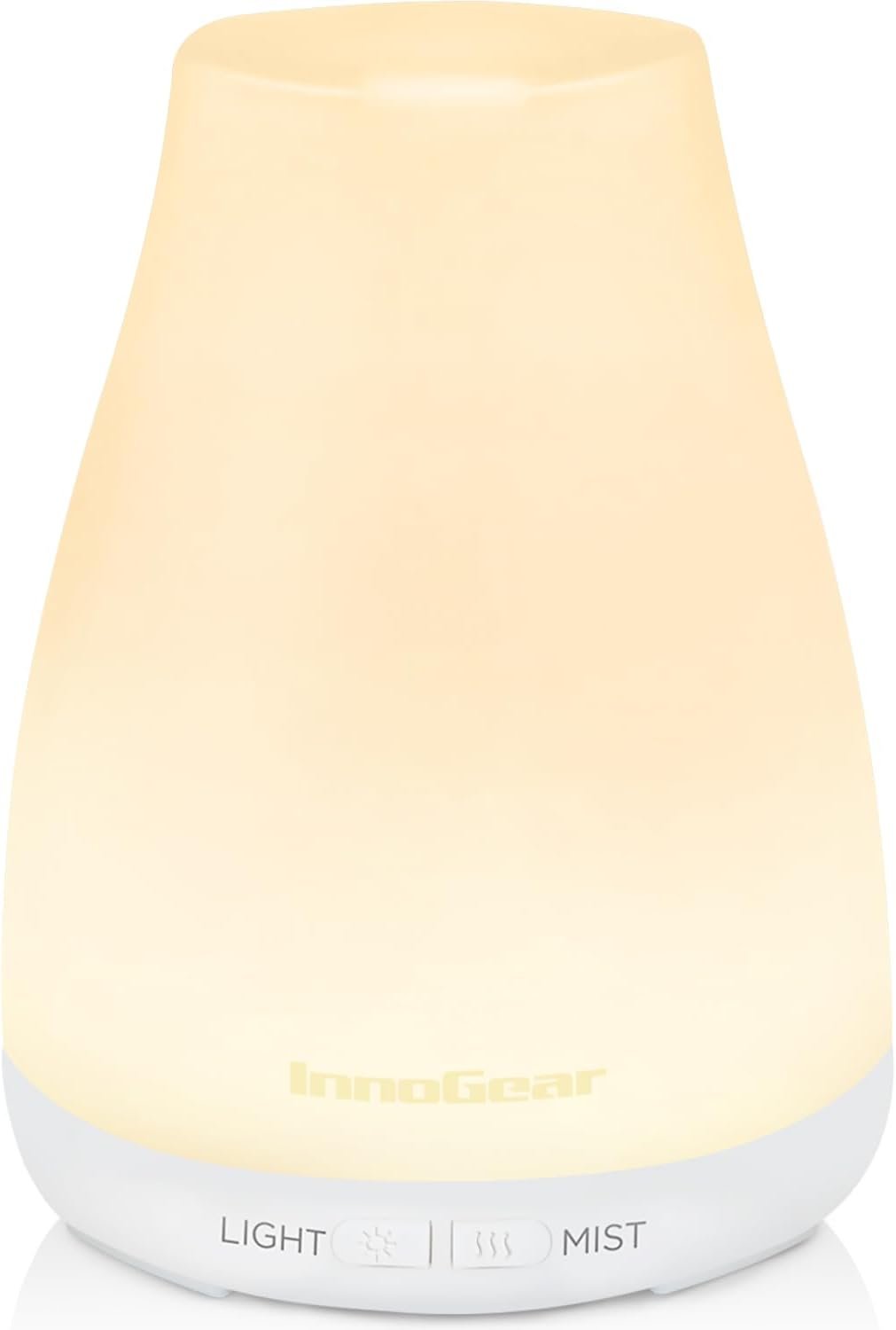 | Diffuser | Wind-down routines and calming sensory cues | Compact size, mist modes, waterless auto-off | | |
 | Acupressure mat | Stress that shows up as body tension | Very direct physical reset, especially for back and shoulders | | |
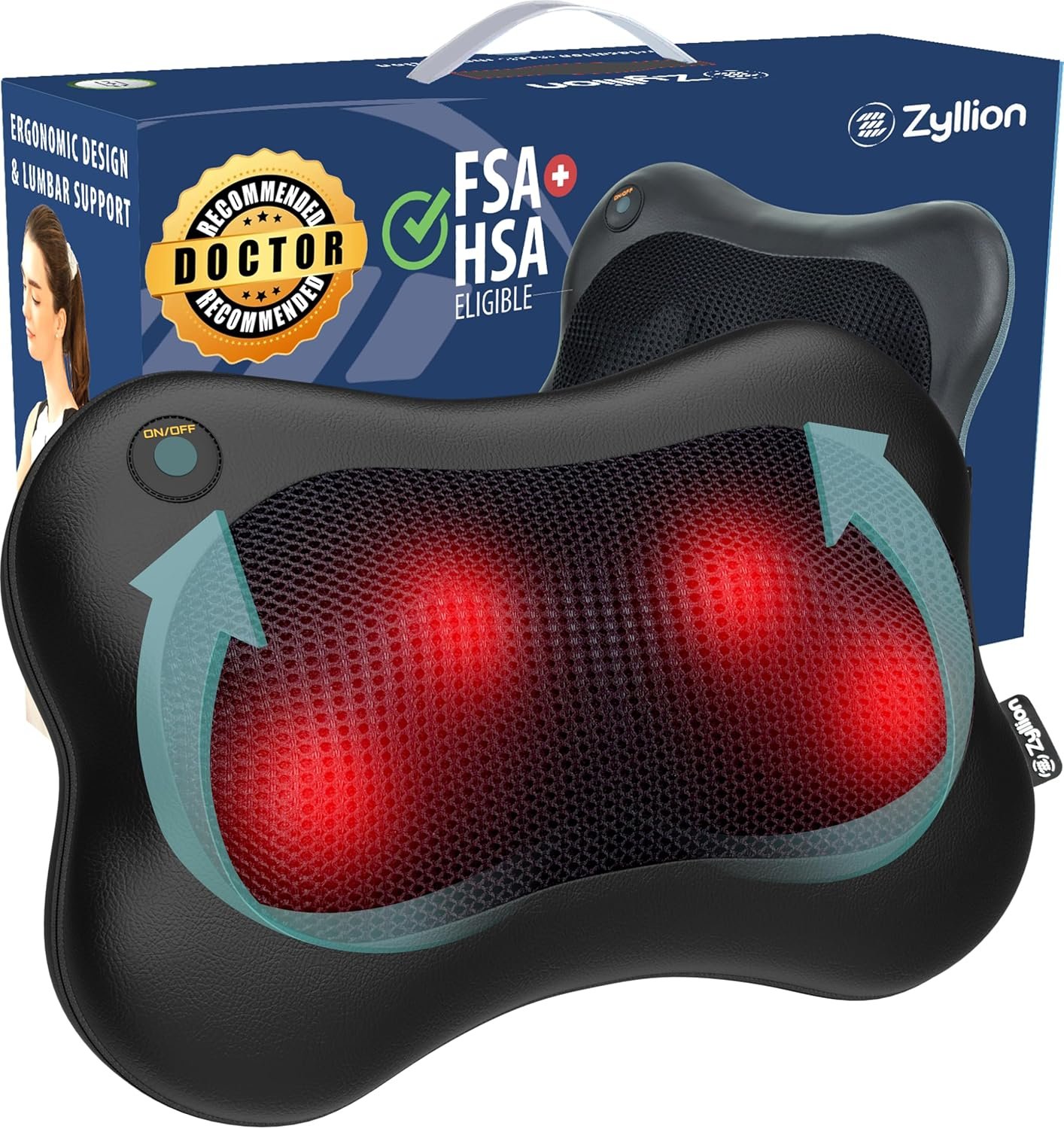 | Heated massager | Tight neck, shoulders, and upper back | Deep kneading plus heat | | |
 | Hot/cold mask | Forehead, eye-area, and facial tension | Flexible hot/cold relief and easy repeat use | | |
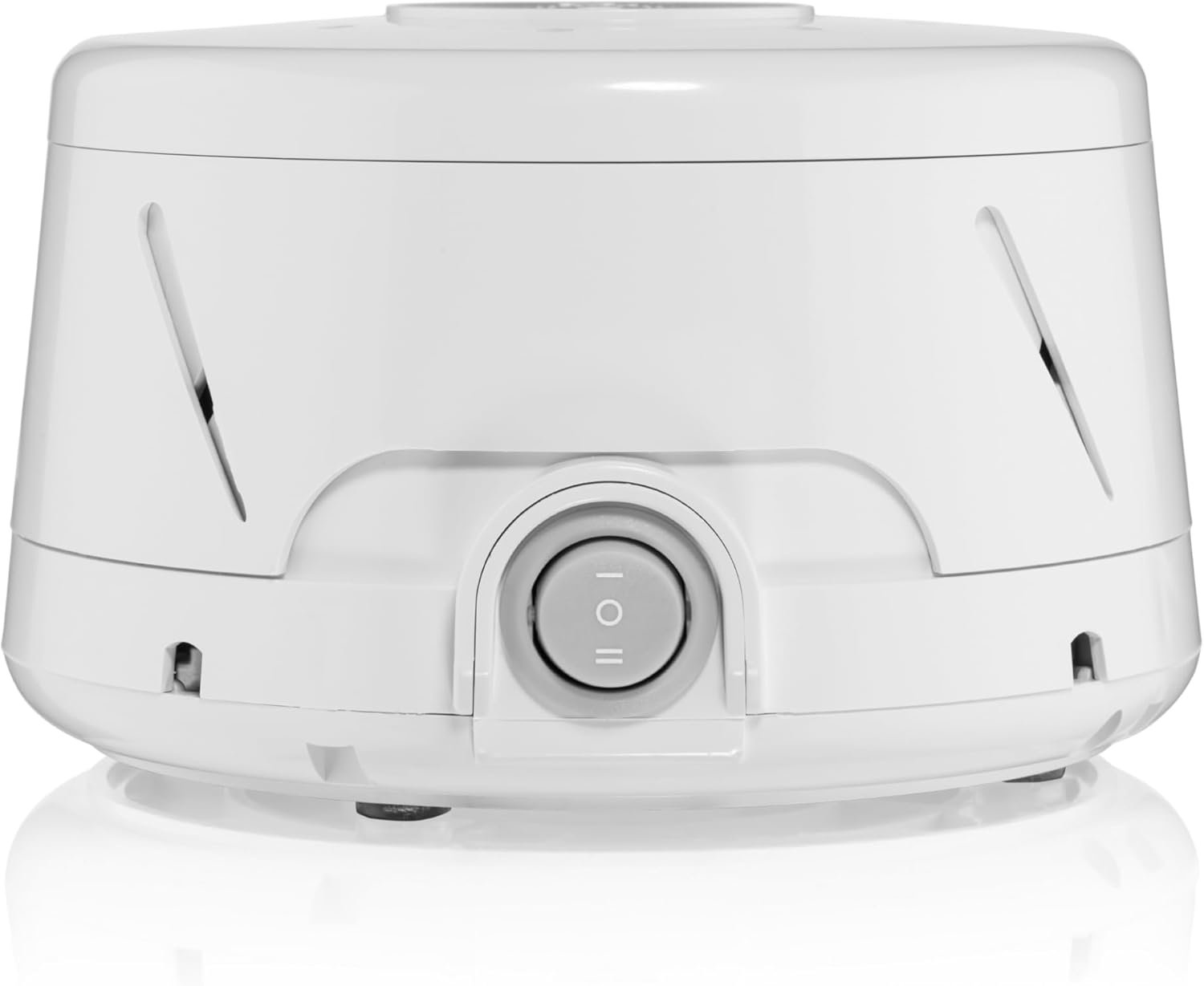 | White noise machine | Noise-sensitive sleepers and overstimulated brains | Real fan-based, non-looping sound | | |
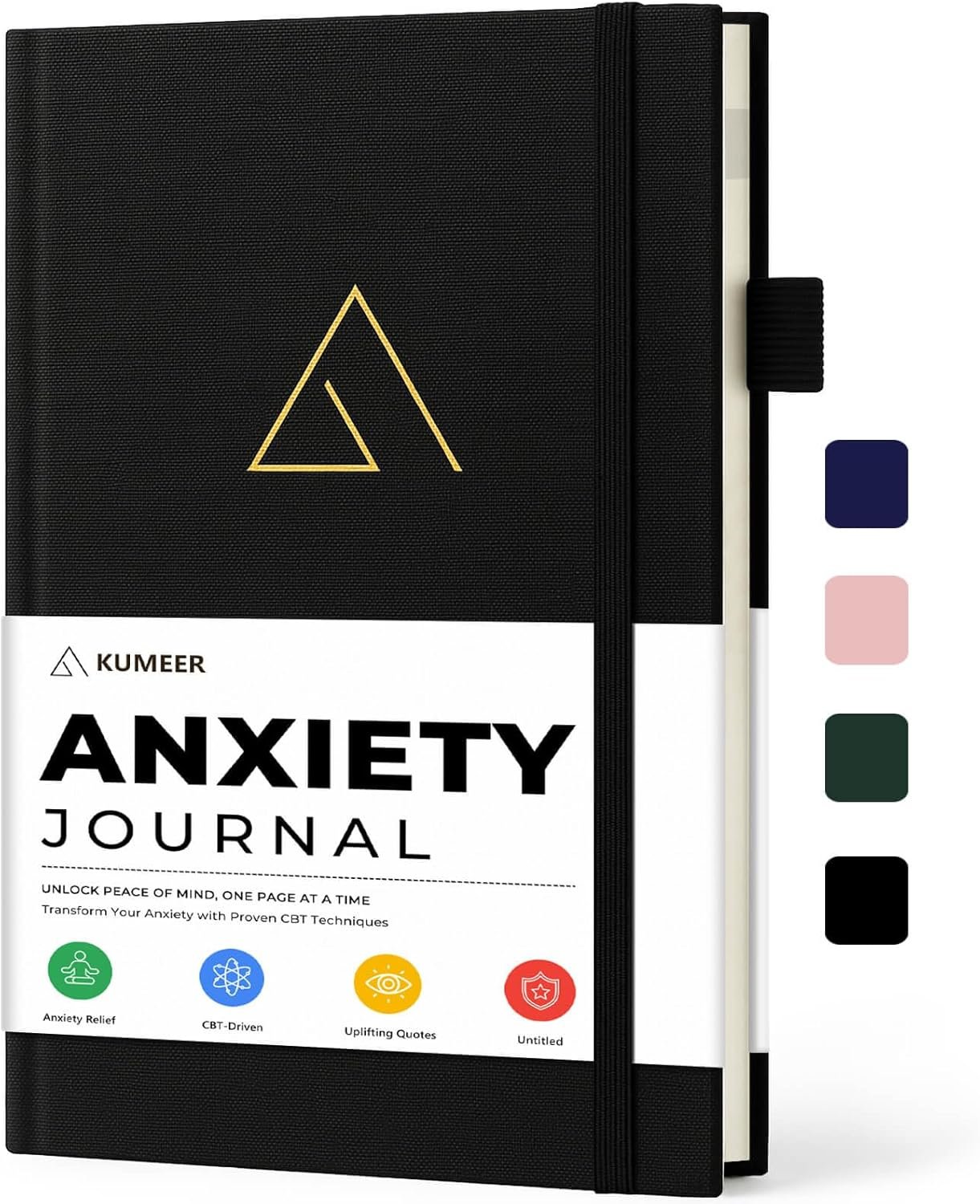 | Guided CBT notebook | Thought spirals and overthinking | Therapist-made CBT structure | | |
 | Fidget tool | Restless hands and anxious energy | Twistable tactile motion, easy to use | | |
 | Textured sensory stickers | Quiet, discreet grounding at work or school | Reusable, low-profile, always-there tactile cue | |
3) Use a worry period instead of worrying all day
This is one of the most practical tools on the list. Both NHS and Cleveland Clinic recommend setting aside a short, planned time for worries instead of letting them run through your entire day. Research on worry postponement and metacognitive therapy also supports the idea that worry and rumination can be postponed rather than obeyed immediately.
Here is how to do it:
- Pick a daily 10 to 20 minute slot.
- When a worry shows up earlier, write a few words about it.
- Tell yourself, “I’ll come back to this at 7:00.”
- At worry time, decide whether the issue needs a plan or release.
This technique is helpful because it teaches your brain that a thought can exist without being handled immediately.
Important note: if you try this once and still worry all day, that does not mean it failed. NHS explicitly notes it can feel difficult at first and get easier with practice.
4) Challenge the thought, not yourself
Overthinkers are often very good at cross-examining themselves and very bad at cross-examining the thought. That is where cognitive reframing helps. NHS suggests checking the evidence, asking how likely the feared outcome really is, considering other explanations, and asking what you would say to a friend. Cleveland Clinic similarly recommends challenging negative thoughts and aiming for a more balanced perspective.
Use these questions:
- What is the evidence for this thought?
- What is the evidence against it?
- Am I predicting the worst-case outcome?
- Is there a more balanced explanation?
- What would I tell someone I care about in this situation?
Example:
Thought: “My boss looked short in that email. I’m probably in trouble.”
Balanced response: “That is one interpretation. Another is that they were busy. I do not have enough evidence yet to treat this as fact.”
The goal is not fake positivity. The goal is accuracy.
5) Replace “what if?” with “what would I do if?”
Overthinking loves uncertainty. It keeps asking, “What if this goes badly?” without ever moving into coping. Cleveland Clinic recommends turning “what if” worries into “if-then” statements so you have a concrete plan instead of endless fear.
Try this shift:
- “What if I mess up?” becomes “If I mess up, I will slow down, correct it, and keep going.”
- “What if they reject me?” becomes “If they reject me, I will feel disappointed and still be okay.”
That shift matters because it moves you from helpless prediction to realistic coping.
6) Change your attention on purpose
When your mind is stuck, arguing with it is not always the best move. Sometimes you need to redirect your attention, not because you are avoiding life, but because you are interrupting an unhelpful loop. Cleveland Clinic recommends healthy distraction like meditation, reading, and taking a walk, especially when those practices are built into your routine. Grounding strategies can also help bring attention back to the present.
Good options include:
- a brisk walk without your phone
- naming five things you can see
- showering and noticing temperature and sound
- folding laundry
- stretching for three minutes
- doing one small task that has a clear end point
This is not “running away from your thoughts.” It is teaching your brain that attention can move.
7) Use self-distancing and self-compassion
Research on self-distancing suggests that stepping back from your thoughts and reflecting from a little more distance is associated with less rumination and lower emotional reactivity. In plain language, it often helps to stop narrating from inside the panic and speak to yourself from a calmer, wider perspective. Cleveland Clinic also highlights self-compassion as a way to soothe your internal threat system and think more clearly.
Two ways to practice this:
Third-person coaching:
Instead of “Why am I doing this again?” try “You are overwhelmed right now. Slow down. You do not need to solve your whole life tonight.”
Compassionate truth-telling:
“This feels intense, but intensity is not proof.”
That combination is powerful. You are not denying the feeling. You are refusing to let the feeling become your only source of information.
What usually makes overthinking worse
Some habits feel helpful in the moment but keep the cycle alive:
- repeatedly checking texts, emails, symptoms, or memories
- asking multiple people for reassurance
- trying to get 100 percent certainty before acting
- doomscrolling when you are already activated
- lying in bed “thinking it through” for an hour
- treating every anxious thought like it deserves a trial
If you recognize yourself here, do not shame yourself. Most of these habits start as attempts to feel safe. They just tend to buy short-term relief at the cost of long-term peace.
When overthinking might be anxiety, OCD, or something more
Sometimes overthinking is just stress. Sometimes it is part of a bigger clinical pattern.
It is worth getting professional support if your thoughts are eating up large parts of the day, affecting sleep, work, or relationships, or leading to compulsive checking, reassurance, avoidance, panic, or intrusive thoughts that feel uncontrollable. NIMH notes that OCD involves recurring intrusive thoughts and repetitive behaviors that cause distress or interfere with daily life, and NIMH’s guidance on generalized anxiety disorder describes CBT as a well-studied treatment for excessive worry.
You do not have to wait until things are “bad enough.” If overthinking is wearing down your life, that is enough reason to get help.
If your thoughts ever shift into wanting to harm yourself or feeling unsafe, seek immediate crisis support right away.
A simple daily reset for overthinkers
If you want one routine to practice this week, use this:
Morning:
Write down the top 3 things that matter today.
During the day:
When a loop starts, label it and either take one next step or postpone it to worry time.
Evening:
Spend 10 minutes on worry time if needed, then close with one sentence:
“I do not need to solve the rest tonight.”
That sentence will not magically erase anxiety. But it does something important. It teaches your brain that rest is allowed before certainty arrives.
FAQ: How to Stop Overthinking
Why do I overthink everything?
Usually because your mind is trying to protect you. Overthinking often shows up when you feel uncertain, responsible, ashamed, or afraid of making a mistake. The problem is that the protective strategy turns into a loop that increases anxiety instead of resolving it.
How do I stop overthinking at night?
Nighttime overthinking usually responds better to containment than to trying to “figure everything out” in bed. Write the worry down, schedule worry time earlier in the evening if possible, and use a short grounding or wind-down routine instead of mental debate. NHS specifically recommends worry time as a way to reduce racing thoughts around sleep.
Is overthinking the same as anxiety?
Not exactly. Overthinking is a pattern. Anxiety is a broader emotional and physiological state. The two often overlap, especially when worry becomes hard to control or starts affecting sleep, concentration, and daily functioning.
Is overthinking OCD?
Sometimes what people call overthinking is actually part of an OCD cycle, especially if it includes intrusive thoughts plus repeated checking, reassurance-seeking, mental reviewing, or rituals that feel hard to resist. Not all overthinking is OCD, but persistent intrusive loops with compulsive responses deserve proper assessment.
What therapy helps with overthinking?
CBT is one of the best-studied psychotherapy approaches for excessive worry and anxiety. Research and clinical guidance also support tools used in metacognitive therapy, such as worry postponement and changing how you relate to repetitive thoughts.
How long does it take to stop overthinking?
Usually not overnight. Overthinking is more like a habit than a single bad thought. Most people improve by practicing the same skills repeatedly: noticing the loop sooner, containing worry, shifting attention, and acting before certainty shows up. NHS guidance also notes that these skills tend to get easier with practice.
Final takeaway
If you want to learn how to stop overthinking, stop trying to win an argument with every thought. Catch the loop, sort what is actionable from what is not, contain the worry, and come back to one real step in front of you. That is how to stop overthinking in a way that actually changes your day.
Other Interesting Articles
- Free Therapy Worksheets at Paul Wellness
- 10 of the Best Anxiety Relief Products
- Best Journal for Overthinkers
- Best Books for Overthinking
About the Author
Paul Wellness
Paul Wellness is a mental-health professional and writer dedicated to helping individuals and couples strengthen relationships through evidence-based insight and emotional growth. Combining therapeutic expertise with practical tools, Paul Wellness empowers readers to create trust, connection, and lasting love.