 by
by Struggling to keep your cool in stressful situations? You’re not alone. Many adults find it challenging to manage their emotions effectively. Fortunately, several insightful books can guide you toward better emotional regulation. Here are three standout titles that offer practical strategies and deep understanding if you are looking for emotional regulation books for adults.
Book Title | Approach | Complexity | Target Audience | Price | |
|---|---|---|---|---|---|
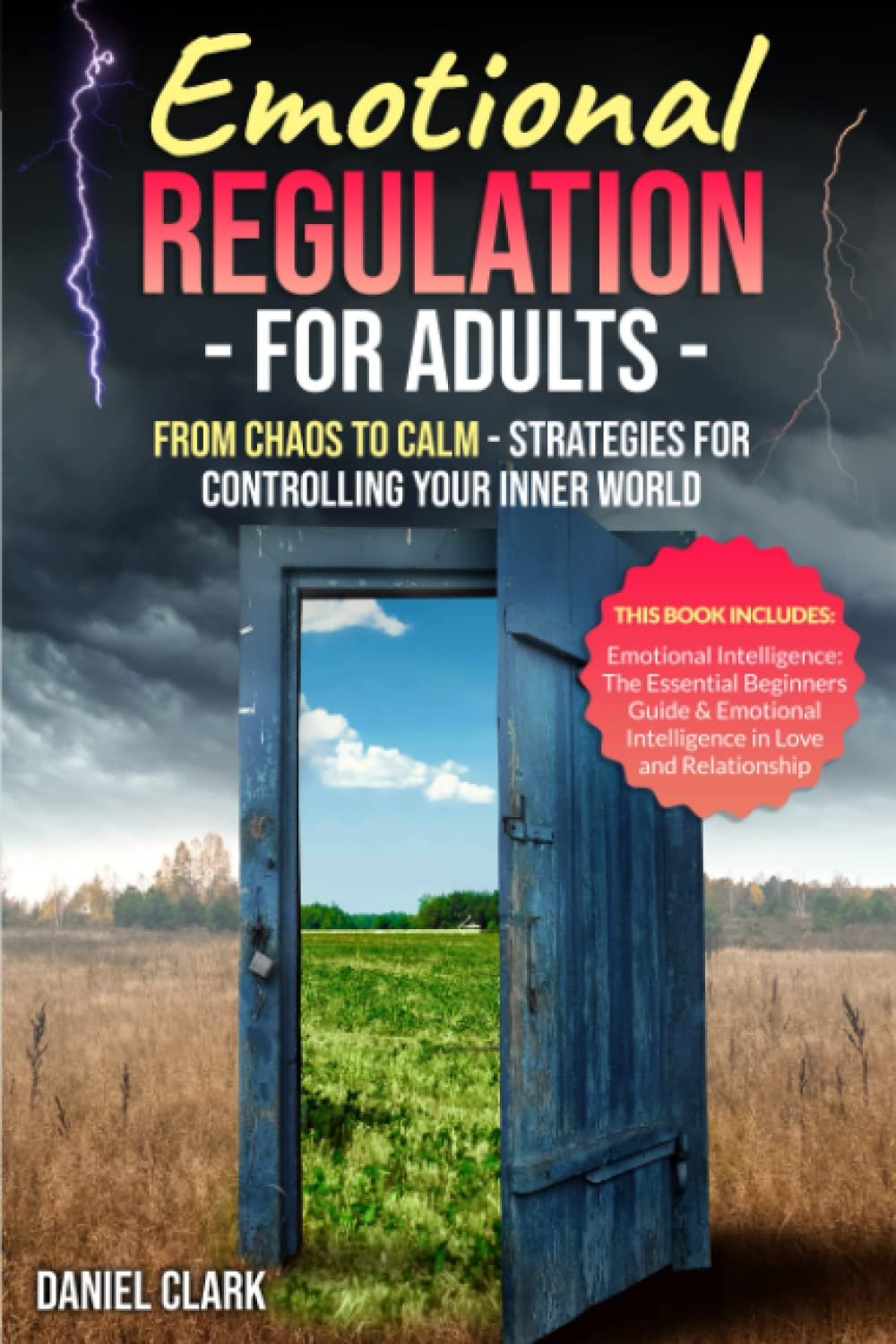 | Practical strategies for emotional intelligence | Moderate | Individuals seeking comprehensive guidance |  | |
 | Scientific exploration of emotions | High | Readers interested in neuroscience | | |
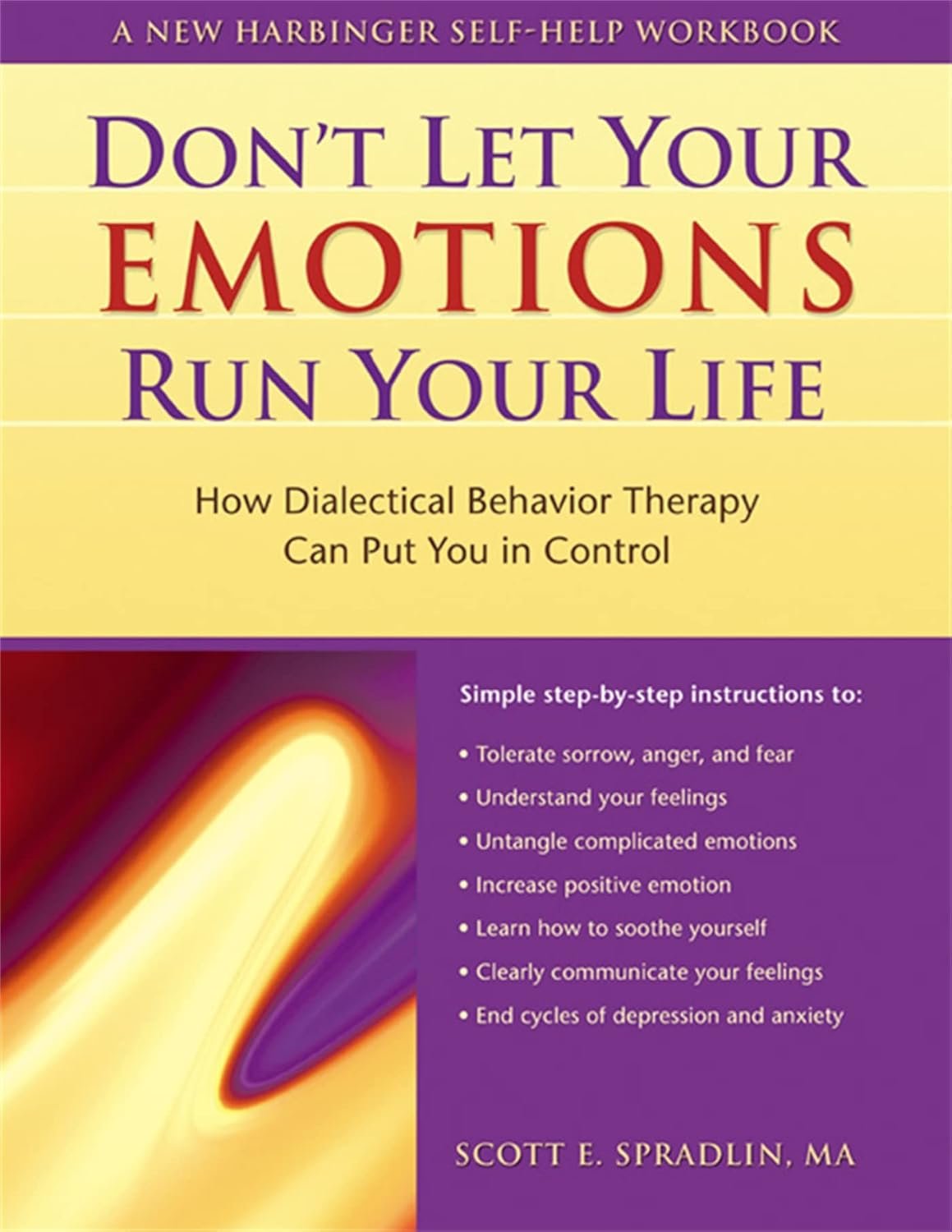 | DBT techniques and exercises | Low | Those seeking hands-on exercises | |
1. “Emotional Regulation for Adults: From Chaos to Calm” by Daniel Clark
This comprehensive guide delves into the intricacies of emotional intelligence, focusing on how to control your inner world. Clark provides actionable strategies to transition from emotional turmoil to tranquility, making it a valuable resource for anyone seeking to enhance their emotional well-being.
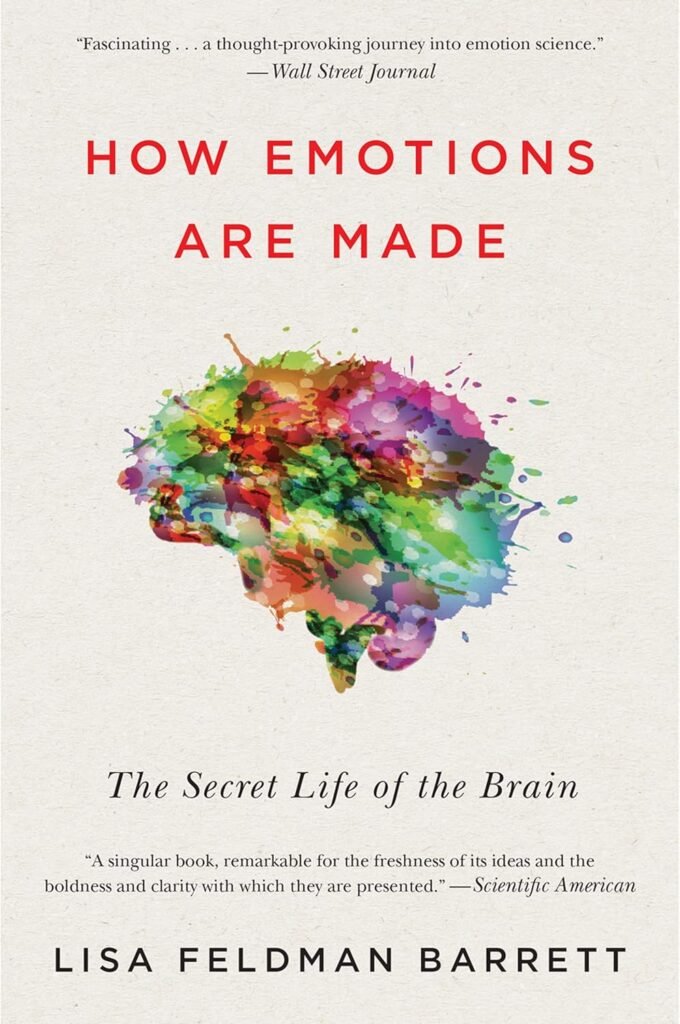
2. “How Emotions Are Made: The Secret Life of the Brain” by Lisa Feldman Barrett
Barrett challenges traditional views on emotions, presenting a compelling theory based on cutting-edge neuroscience and psychology research. By understanding that emotions are not universally recognized or biologically hard-wired, readers gain a foundation for effectively regulating their feelings.
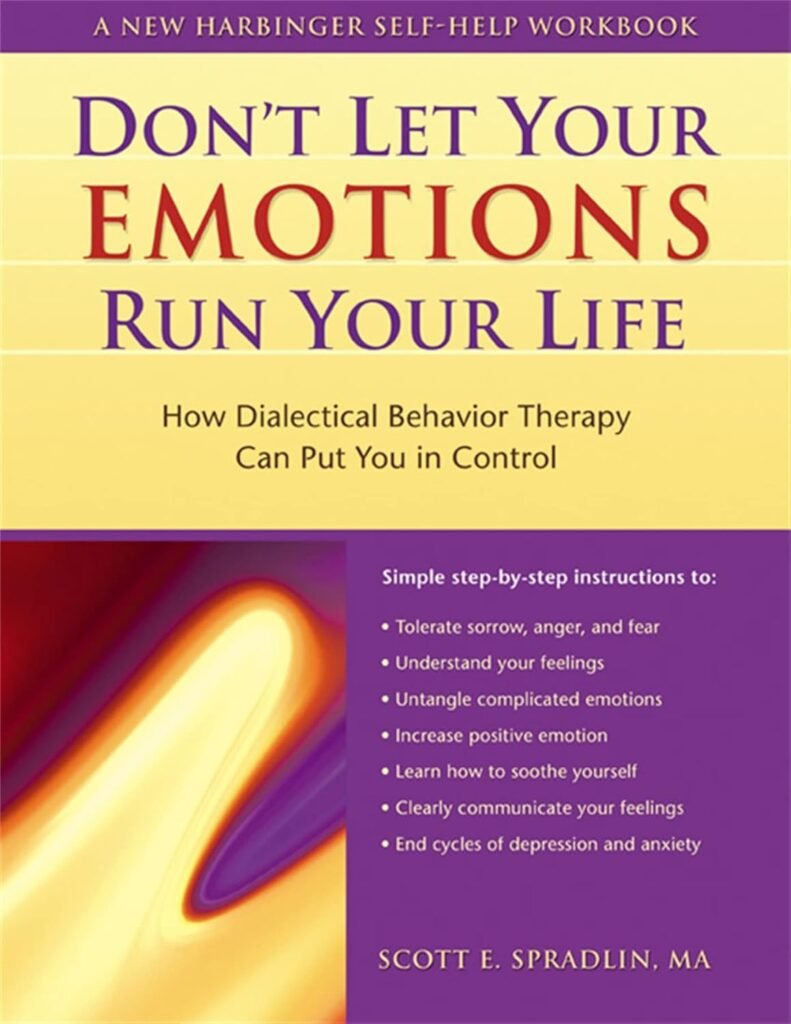
3. “Don’t Let Your Emotions Run Your Life” by Scott E. Spradlin
Utilizing dialectical behavior therapy (DBT), Spradlin offers practical exercises to help readers identify their emotional reactions and develop successful regulation strategies. This hands-on approach is particularly beneficial for those who find themselves struggling with intense emotions.
Pros and Cons of Each Book: Emotional Regulation Books for Adults
“Emotional Regulation for Adults: From Chaos to Calm”
- Pros:
- Comprehensive coverage of emotional intelligence.
- Practical strategies for immediate application.
- Cons:
- May be dense for readers new to the topic.
“How Emotions Are Made”
- Pros:
- Innovative perspective on the nature of emotions.
- Backed by extensive scientific research.
- Cons:
- Complex concepts that may require multiple readings.
“Don’t Let Your Emotions Run Your Life”
- Pros:
- Hands-on exercises for practical learning.
- Accessible language suitable for all readers.
- Cons:
- Focuses primarily on DBT, which may not appeal to everyone.
Major Differences Between the Books
- Approach:
- Clark’s book offers a broad overview of emotional intelligence with actionable strategies.
- Barrett provides a scientific exploration of how emotions are constructed.
- Spradlin focuses on DBT techniques for emotional regulation.
- Complexity:
- Barrett’s work is more academic, delving into neuroscience.
- Clark and Spradlin offer more straightforward, practical advice.
- Target Audience:
- Spradlin’s book is ideal for those seeking hands-on exercises.
- Barrett’s is suited for readers interested in the science behind emotions.
- Clark’s caters to individuals looking for a comprehensive guide.
FAQs
Q: Which book is best for a scientific understanding of emotions?
A: “How Emotions Are Made” by Lisa Feldman Barrett offers an in-depth scientific perspective.
Q: I’m new to emotional regulation concepts. Which book should I start with?
A: “Don’t Let Your Emotions Run Your Life” by Scott E. Spradlin provides accessible language and practical exercises, making it ideal for beginners.
Q: Can these books help with specific emotional issues like anxiety or anger?
A: Yes, all three books offer strategies applicable to various emotional challenges, including anxiety and anger.
Other Interesting Articles
- Best Books for Overthinkers: Top Choices to Calm Your Mind
- How to Stop Overthinking Social Interactions: A Practical Guide
- Am I Losing Feelings or Overthinking? Understanding Your Emotions
- How to Stop Overthinking After Being Cheated On: A Clinical and Practical Guide
About the Author
Paul Wellness
Paul Wellness is dedicated to providing expert insights on mental health and personal development. Learn more at PaulWellness.com.