 by
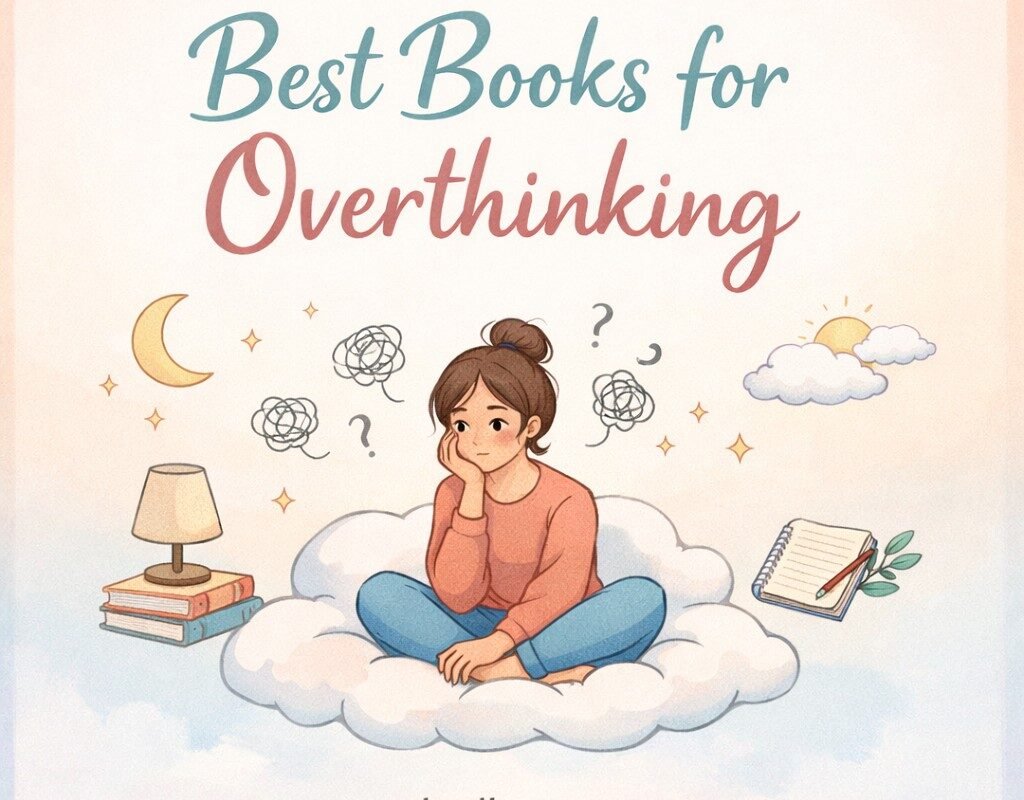
by The best books for overthinking are the ones that help with the specific loop you get stuck in. Some books are best for chronic worry. Some are better for mental chatter, rumination, or panic. Some are more like workbooks and some are more like smart, readable guides. That matters because “overthinking” is not one single problem, and the best pages for this keyword usually miss that.
For most readers, the books most worth knowing about are The Worry Trick, Chatter, The Book of Overthinking, Worrying Is Optional, The Anxiety Skills Workbook, Get Out of My Head, The Negative Thoughts Workbook, and The Anxiety and Phobia Workbook. Together, they cover the major subtypes of overthinking better than the average listicle does: worry, rumination, anxious self-talk, uncertainty, workbook-style practice, and day-to-day emotional overload.
If you want the cleanest shortlist, think of these in three buckets. Most directly useful for classic overthinking: The Worry Trick, The Book of Overthinking, and Worrying Is Optional. Best for practical skill-building: The Anxiety Skills Workbook, The Negative Thoughts Workbook, and The Anxiety and Phobia Workbook. Best for a more accessible, less clinical feel: Chatter and Get Out of My Head.
Best Books for Overthinking: Comparison Table
Feature | ||||||||
|---|---|---|---|---|---|---|---|---|
 |  |  |  |  |  |  |  | |
Author | David A. Carbonell, PhD | Ethan Kross, PhD | Gwendoline Smith | Ben Eckstein, PhD | Stefan G. Hofmann, PhD | Meredith Arthur | David A. Clark, PhD | Edmund J. Bourne, PhD |
Best for | Chronic worry and worst-case thinking | Mental chatter and self-talk spirals | General overthinking in daily life | Rumination plus uncertainty | Structured CBT practice | Gentle support for anxious overthinkers | Repetitive negative thoughts | Deep, comprehensive anxiety work |
Style | Practical therapist-led guide | Research-driven popular psychology | Very on-topic, accessible self-help | Newer evidence-based guide | Workbook | Illustrated, relatable guide | Workbook | Large, classic workbook |
Best if you want | To understand why worry hooks you | Science-backed tools for inner voice | A book that speaks directly to overthinking | A newer anti-worry framework | Exercises, not just insight | Something warm and non-intimidating | A focused rumination workbook | The most comprehensive toolkit |
Most useful mood | “My brain always expects the worst” | “My inner voice won’t shut up” | “I overthink everything” | “I keep looping and can’t drop it” | “I want homework and skill drills” | “I need help without dense jargon” | “I keep replaying negative thoughts” | “I want one big reference book” |
Price |  | | | | | | | |
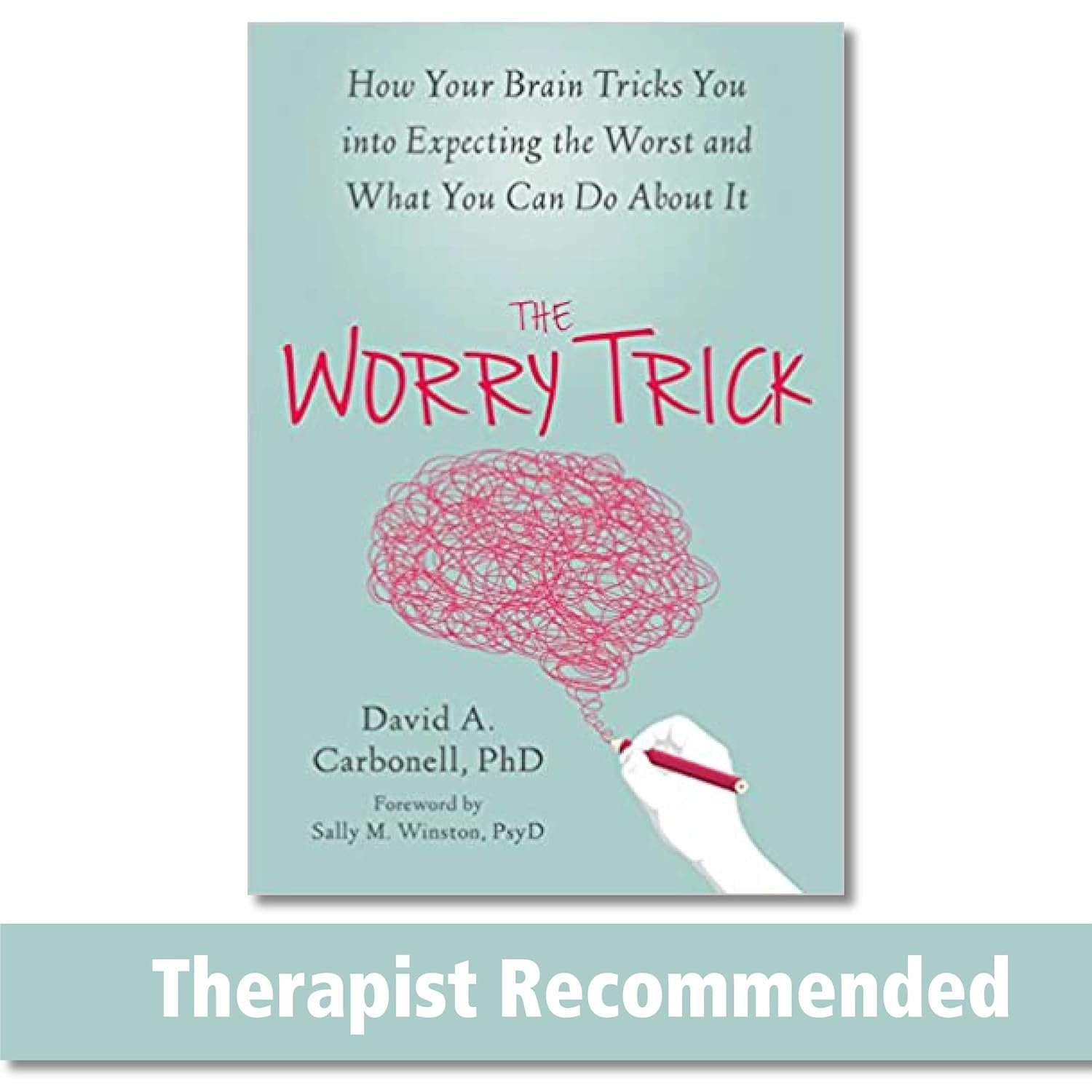
1) The Worry Trick by David A. Carbonell, PhD
If your overthinking sounds like what if something goes wrong?, what if I missed something?, or what if this means disaster?, The Worry Trick is one of the strongest books in the category. New Harbinger describes it as a book about how anxiety hijacks the brain and how to break the cycle of worry, and therapist-led lists that include overthinking books keep returning to it for exactly that reason.
This is one of the best picks when you want a book that explains why worry feels convincing without turning into fluff. It is especially worth knowing about if your overthinking is fear-based and future-focused rather than purely reflective or philosophical.
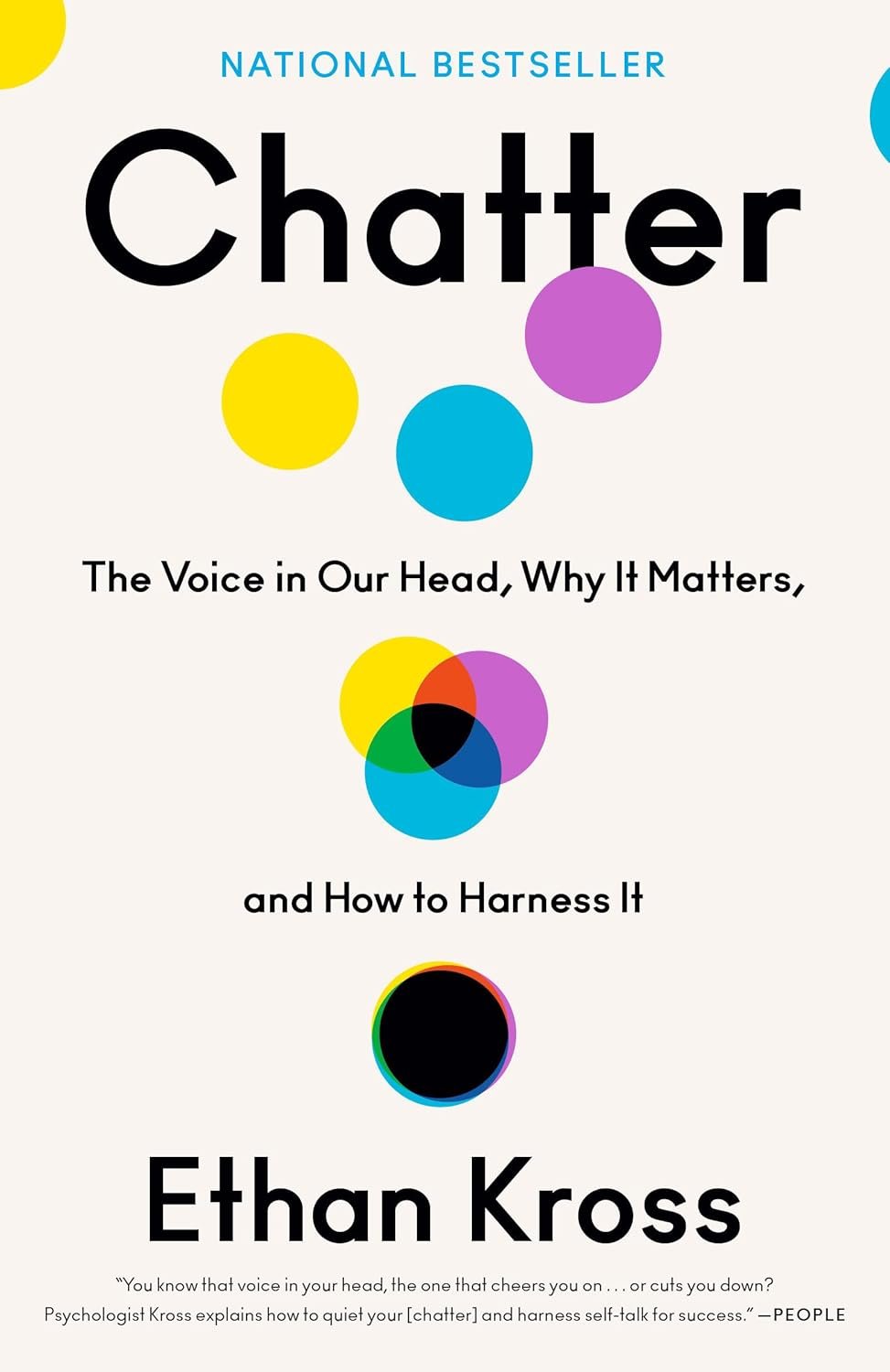
2) Chatter by Ethan Kross
Chatter is less of a classic anxiety workbook and more of a science-backed book about the conversations people have with themselves. Penguin Random House describes it as a book about the silent conversations in our heads and how they shape our lives, work, and relationships.
This one is especially useful if your overthinking feels like relentless self-talk rather than just classic worry. It works well for readers who want a more polished, mainstream psychology book that still feels grounded in behavioral and brain research.
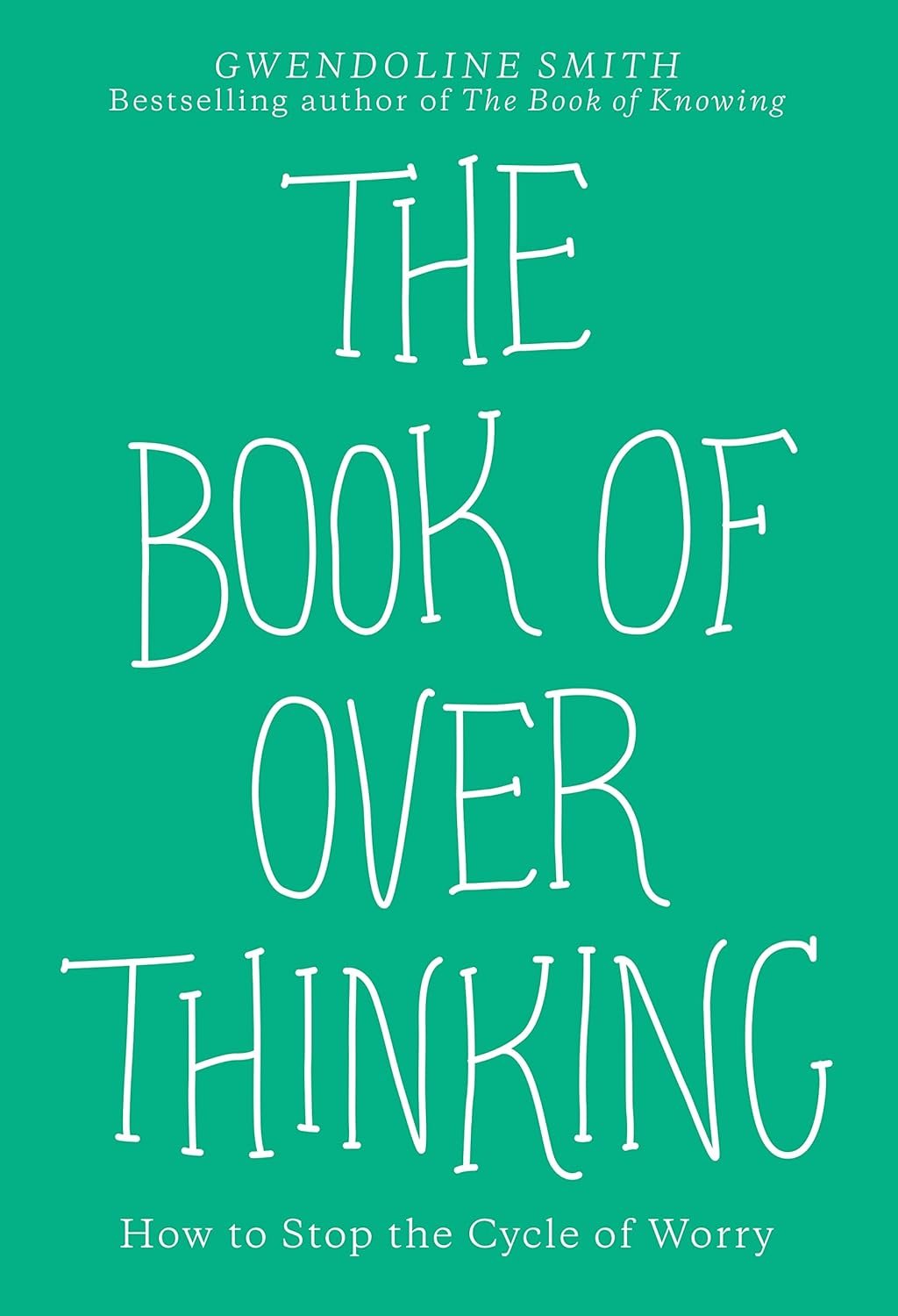
3) The Book of Overthinking by Gwendoline Smith
If you want the book that is most directly aligned with the keyword itself, The Book of Overthinking deserves to be on the list. Simon & Schuster describes it as a guide to overthinking, ruminating, and worrying, with strategies for dealing with the “thought viruses” that keep people stuck. Barnes & Noble also notes that it is based on cognitive behavioral theory and aimed at anxious thought patterns across work, relationships, and daily life.
This is one of the easiest books to recommend to someone who says, “I do not want a broad anxiety book. I want a book that actually talks about overthinking.” It is direct, approachable, and on-topic in a way many general anxiety books are not.
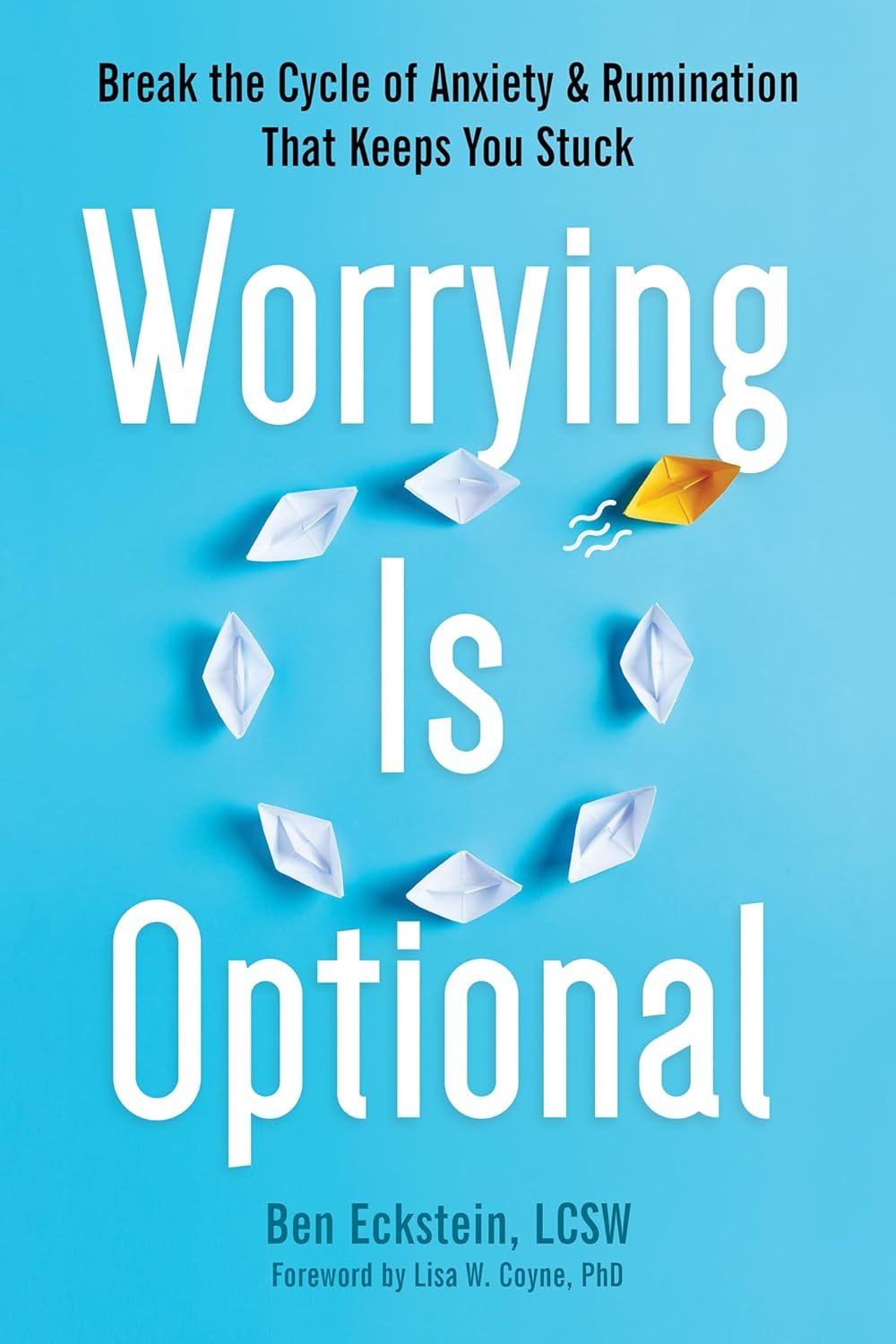
4) Worrying Is Optional by Ben Eckstein, PhD
Among the newer books in this space, Worrying Is Optional stands out. New Harbinger describes it as a guide to breaking free from the thinking habits that keep people stuck in rumination and anxiety, and ADAA’s author Q&A highlights that it blends strategies from metacognitive therapy, ACT, and CBT into a customizable anti-worry toolbox.
This makes it especially useful for readers who already know the basics of overthinking and want something a bit fresher than the usual recycled advice. It also fits well if your problem is not only worry, but the feeling that your mind keeps reopening the same loop even when you understand it is unhelpful.
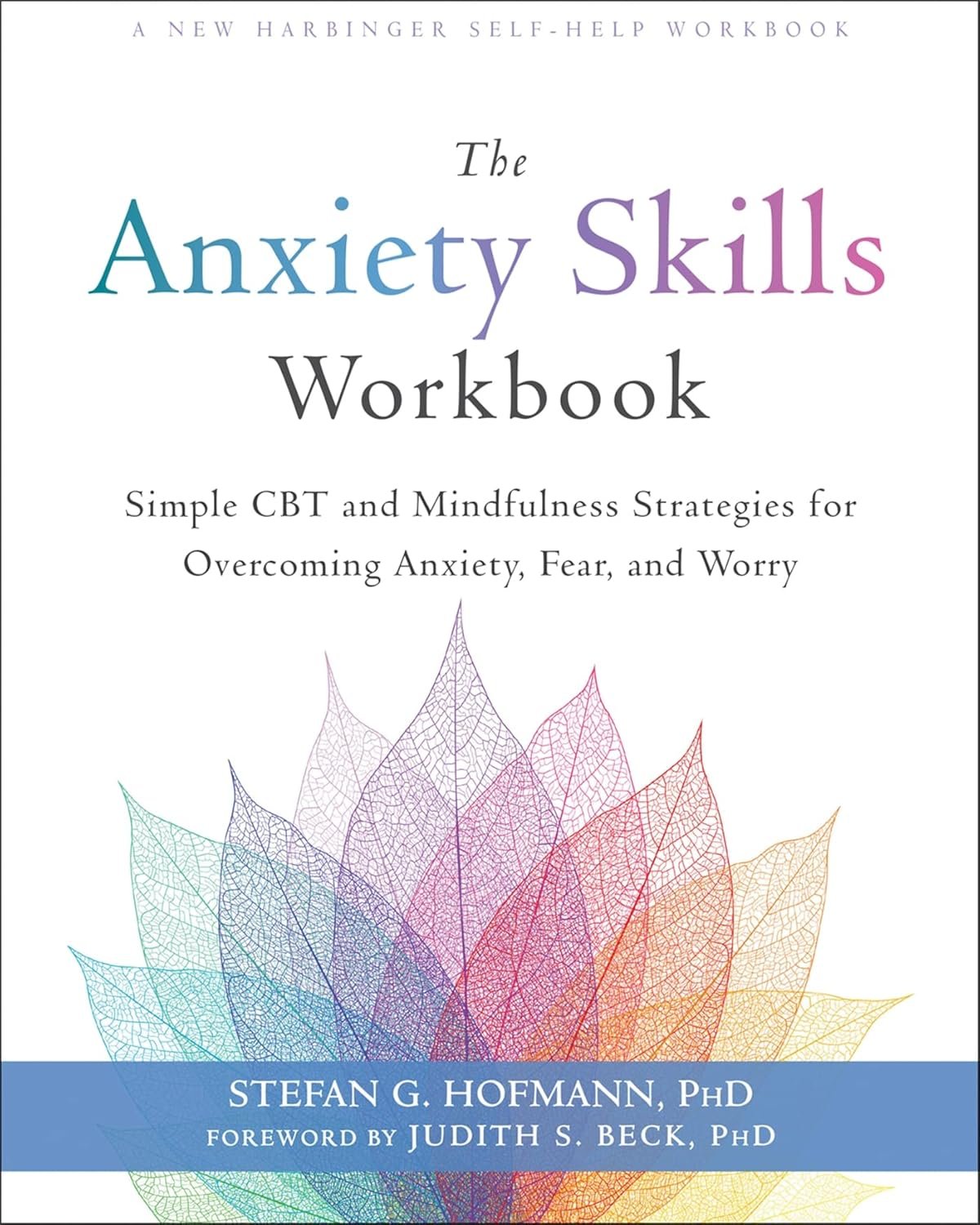
5) The Anxiety Skills Workbook by Stefan G. Hofmann, PhD
If you learn best by doing, not just reading, The Anxiety Skills Workbook is one of the strongest practical picks here. New Harbinger says it uses CBT and mindfulness strategies for anxiety, fear, and worry, and that it is based on the evidence-based treatment model developed at Boston University’s Center for Anxiety and Related Disorders.
This is a better fit for readers who want exercises, structure, and a real sense of progression. It is not the warmest or most literary read on the list, but it is one of the most useful if your overthinking is already interfering with daily life and you want a book that asks you to practice, not just nod along.
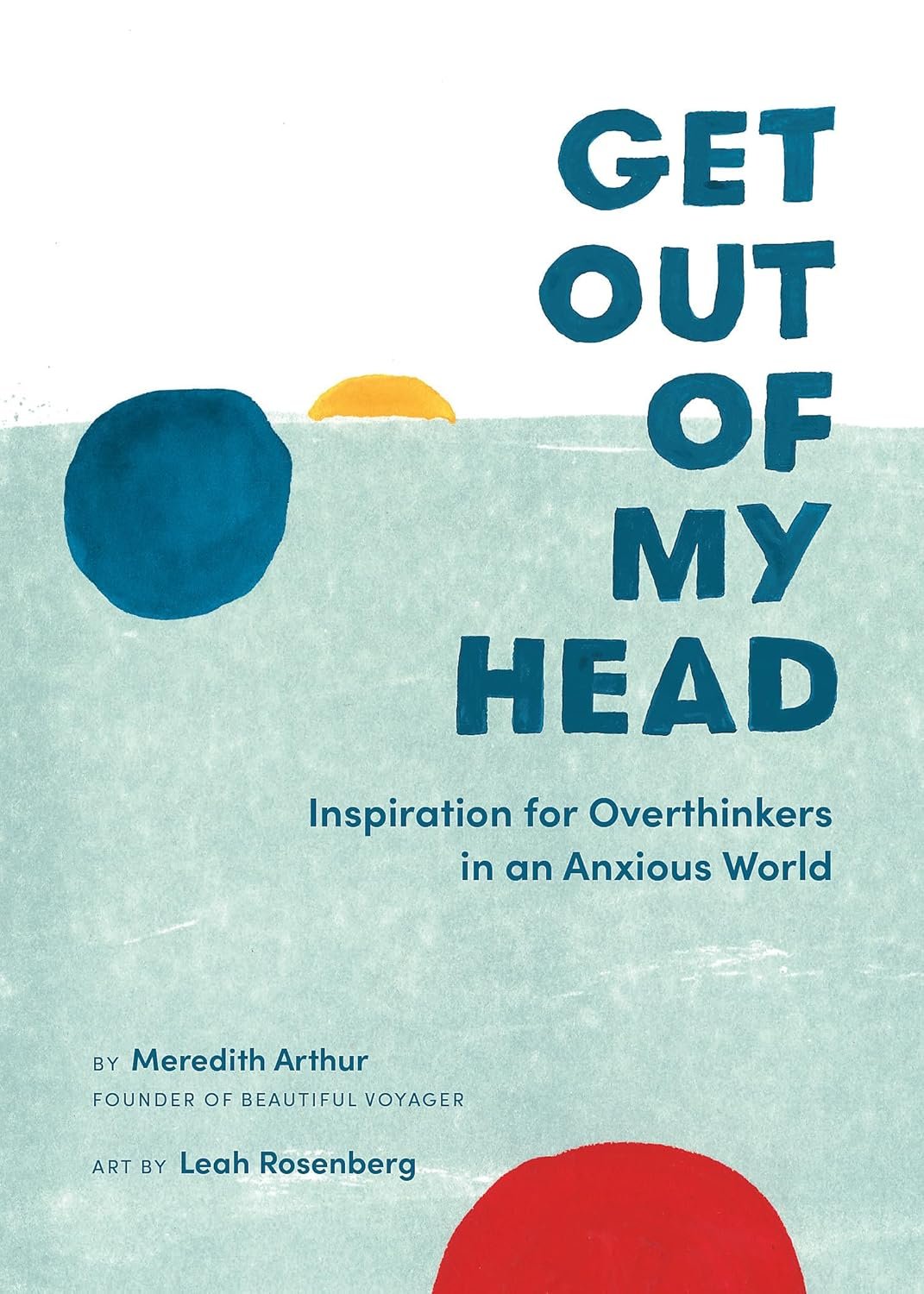
6) Get Out of My Head by Meredith Arthur
Get Out of My Head is one of the best books to know about if you want something gentler and more emotionally accessible. Running Press describes it as a compact illustrated guide for anxious overthinkers that helps readers build awareness around anxiety, identify triggers, move through blocks, and develop tools for thriving.
This is the book I would put on the radar for readers who hate dense self-help writing or feel overwhelmed by more clinical books. It still takes overthinking seriously, but the tone is more comforting and approachable than workbook-heavy alternatives.
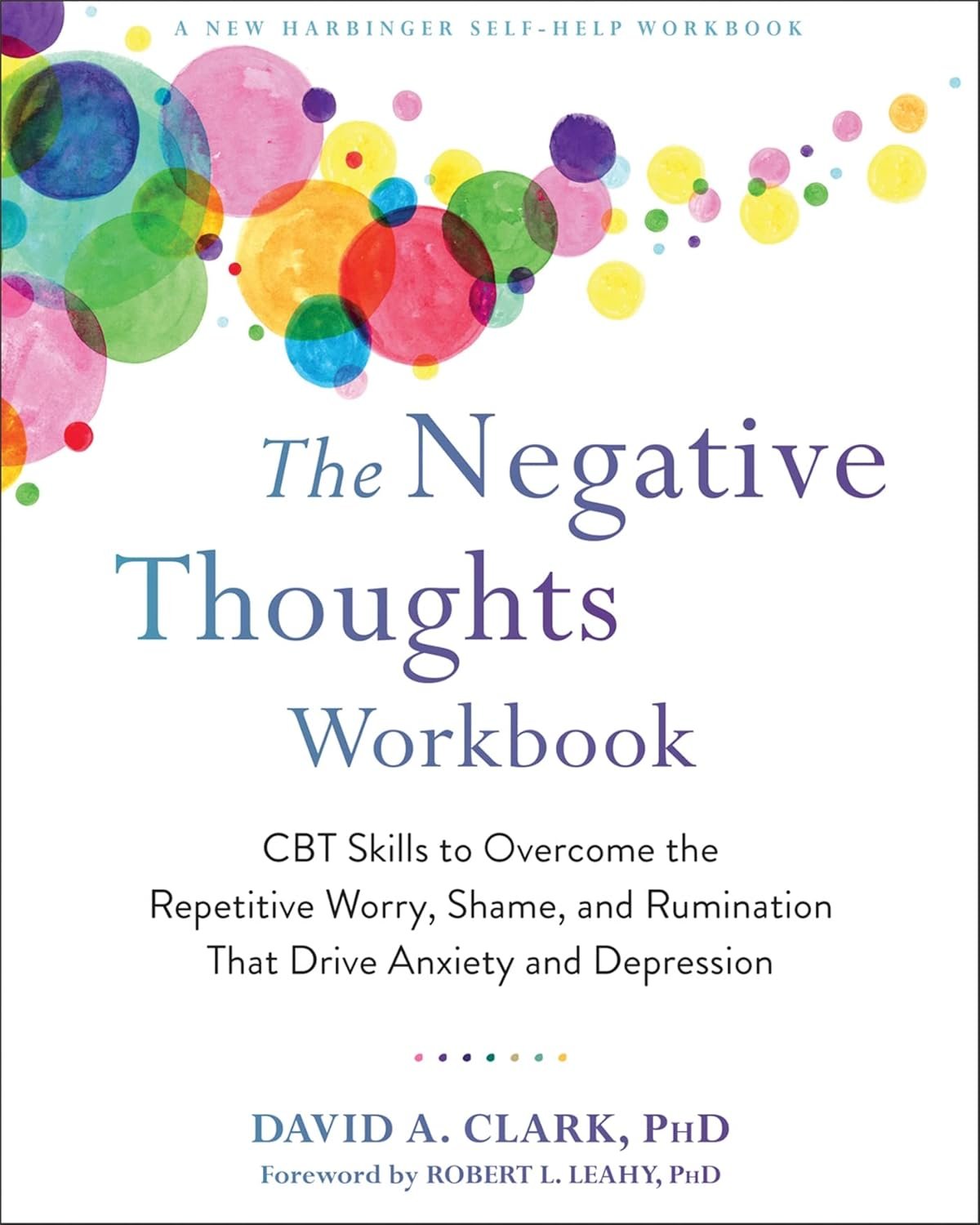
7) The Negative Thoughts Workbook by David A. Clark, PhD
This is one of the most underrated books in the category. ADAA features The Negative Thoughts Workbook in its CBT book recommendations, and New Harbinger describes it as a step-by-step program for targeting and coping with the negative thinking patterns that drive emotional distress.
It is especially useful if your overthinking is not just worry, but repetitive worry, shame, regret, and rumination. That makes it a strong fit for readers who keep returning to the same painful thoughts long after the moment has passed.
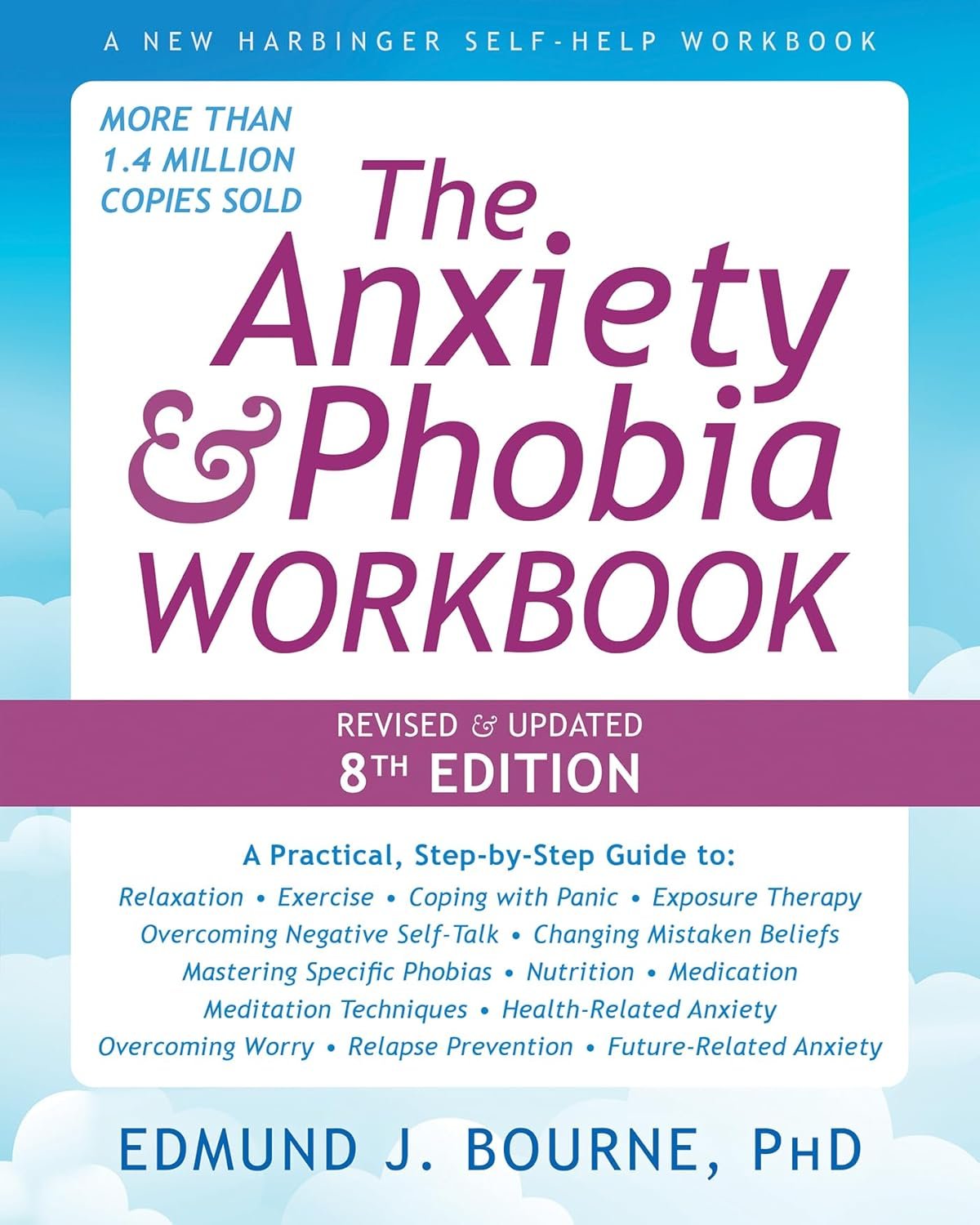
8) The Anxiety and Phobia Workbook by Edmund J. Bourne, PhD
If you want the most comprehensive single-volume resource on the list, The Anxiety and Phobia Workbook still deserves a place. New Harbinger describes the current edition as a classic in its field, recommended by therapists worldwide, and packed with tools for assessing and treating anxiety, quieting worry, ending negative self-talk, and taking charge of anxious thoughts.
This is not the breeziest read here. It is more of a serious, long-haul workbook. But for readers whose overthinking is part of a bigger anxiety picture, it is one of the most substantial books worth being aware of.
What Our Competitors Get Wrong
The current field has three big problems. First, many pages mix true overthinking books with generic productivity or motivation titles that are only loosely related. Second, they often give one-sentence blurbs that do not tell you whether the book is actually about worry, rumination, mental chatter, or skills practice. Third, they rarely separate lighter, comforting reads from heavier workbook-style books, even though that difference matters a lot to readers.
That is why this list is organized around what each book helps with, not just whether it is popular. For this keyword, that is the clearest way to beat the thin-review format that a lot of current pages still use.
How to choose these books without overthinking the choice
You do not need to buy all of them. That would be very on-brand for overthinking, but not especially helpful.
A better move is this. Pick the one that matches your pattern:
- If your mind always goes to worst-case scenarios, start with The Worry Trick.
- If your issue is nonstop inner narration, start with Chatter.
- If you want the book that speaks most directly to overthinking, start with The Book of Overthinking.
- If you want a newer anti-rumination framework, start with Worrying Is Optional.
- If you want exercises and structured practice, start with The Anxiety Skills Workbook or The Negative Thoughts Workbook.
- If you want something gentler and less clinical, start with Get Out of My Head.
- If you want one big, comprehensive reference, start with The Anxiety and Phobia Workbook.
FAQ: Best Books for Overthinking
What is the best book for overthinking overall?
For the broadest mix of usefulness, readability, and direct relevance, The Worry Trick, The Book of Overthinking, and Worrying Is Optional are the strongest overall picks. They are the clearest fits for classic overthinking, worry loops, and rumination.
What is the best workbook for overthinking?
The best workbook-style options here are The Anxiety Skills Workbook, The Negative Thoughts Workbook, and The Anxiety and Phobia Workbook. They are the strongest if you want structured exercises rather than a lighter narrative read.
What is the best book for anxious overthinkers?
If you want a book for anxious overthinking specifically, The Worry Trick and Get Out of My Head are especially relevant. One is more therapist-led and worry-focused, and the other is more gentle and relatable.
Are there any newer books worth reading for overthinking?
Yes. Worrying Is Optional is one of the stronger newer entries because it directly targets rumination and worry and blends metacognitive therapy, ACT, and CBT strategies.
What if I want a science-based book, not generic self-help?
Start with Chatter, The Anxiety Skills Workbook, or The Negative Thoughts Workbook. Those are the most clearly research-rooted and skills-based books in this group.
Final takeaway
The best books for overthinking are not just the most famous ones. They are the books that match the kind of loop you actually get stuck in. If your problem is classic worry, look hard at The Worry Trick and Worrying Is Optional. If your problem is mental chatter, Chatter is worth knowing. If you want something directly on-topic and easy to pick up, The Book of Overthinking is one of the clearest fits. And if you want real exercises, the workbook options are stronger than most generic self-help books in this space.
Other Interesting Articles
- Free Therapy Worksheets at Paul Wellness
- How to Stay Calm During Exposure Therapy
- Best Books on Exposure Therapy: Your Guide to Overcoming Anxiety, OCD, and PTSD
- Exposure Therapy for Social Anxiety: How to Stop Avoiding and Start Thriving
- Exposure Therapy for PTSD: Facing the Past to Reclaim Your Life
- Exposure Therapy for OCD: How Facing Obsessions Can Finally Free Your Mind
- Exposure Therapy for Anxiety: How Facing Your Fears Can Actually Set You Free
About the Author
Paul Wellness
Paul Wellness is a mental-health professional and writer dedicated to helping individuals and couples strengthen relationships through evidence-based insight and emotional growth. Combining therapeutic expertise with practical tools, Paul Wellness empowers readers to create trust, connection, and lasting love.