 by
by The 3-3-3 rule for overthinking is a quick grounding exercise that helps pull your attention out of a mental spiral and back into the present moment. The most common version is this: name 3 things you can see, 3 things you can hear, and move 3 parts of your body. Verywell Mind describes it that way, while Cleveland Clinic includes a closely related variation that focuses on 3 things you can see, hear, and touch.
The core idea is the same either way. You stop feeding the spiral for a moment and shift your attention to what is happening right now around you and inside your body. Grounding techniques are meant to help you feel more present, and sensory focus can move you out of your head and back into the here and now.
Best Books for Overthinking: Comparison Table
Feature | ||||||||
|---|---|---|---|---|---|---|---|---|
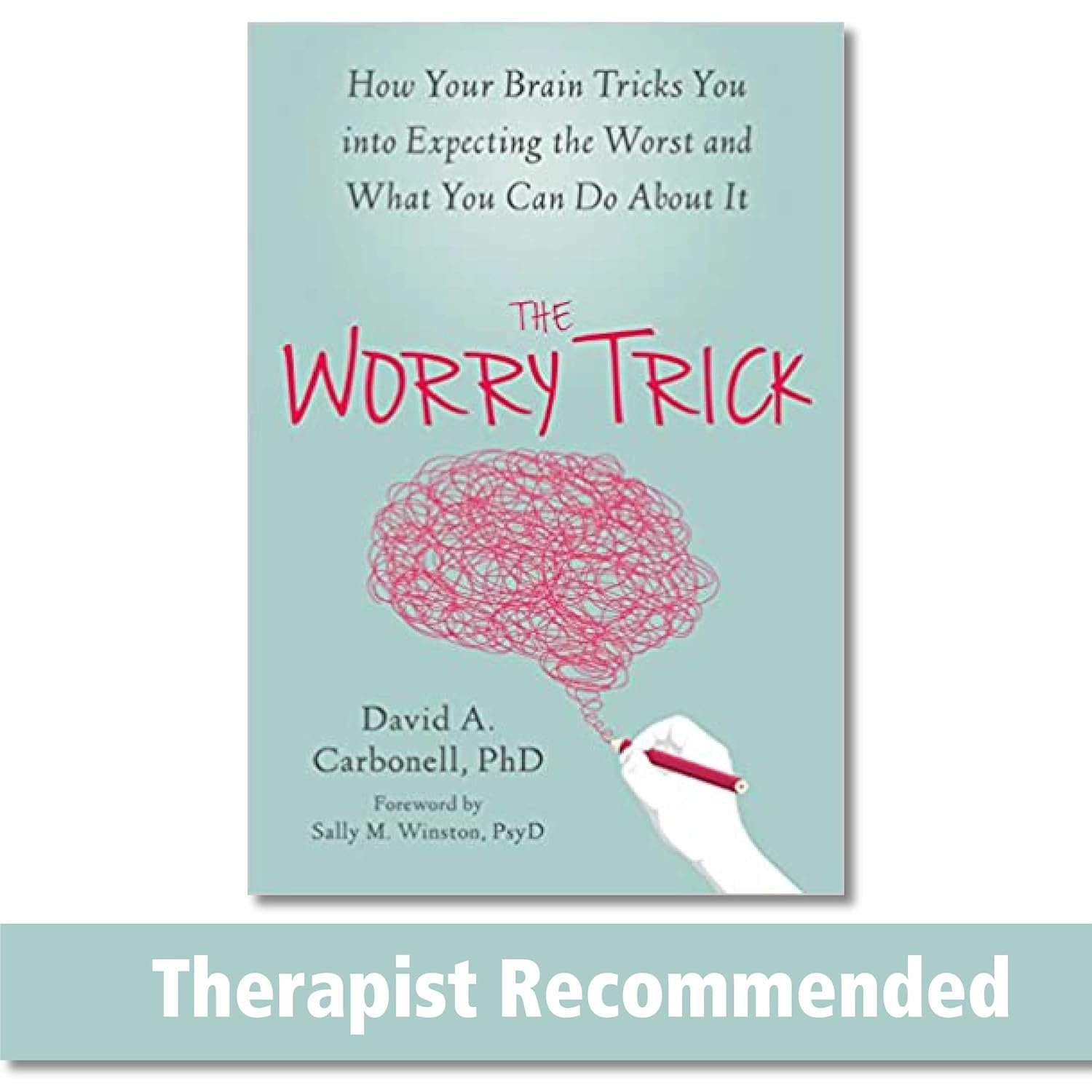 | 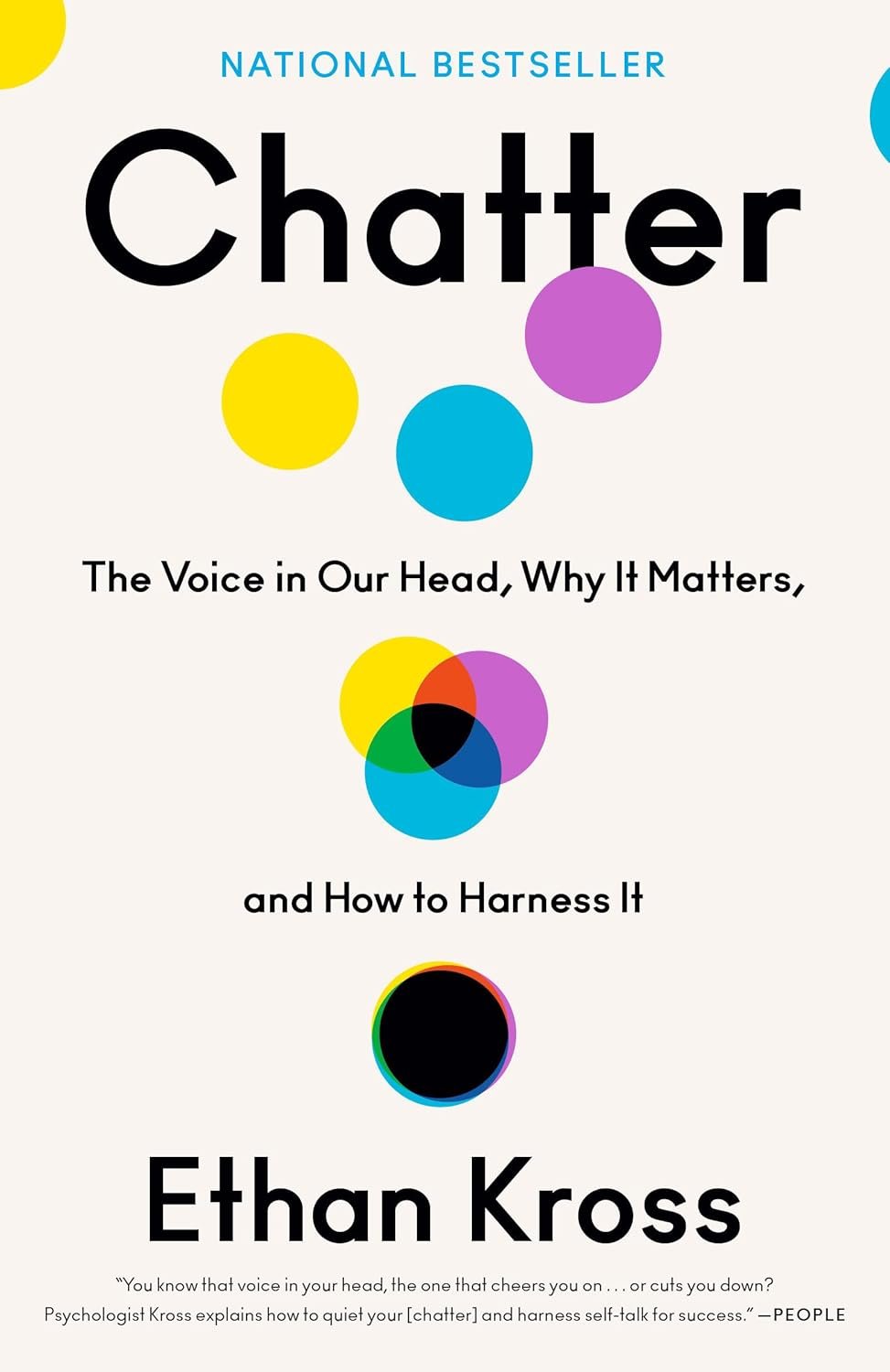 | 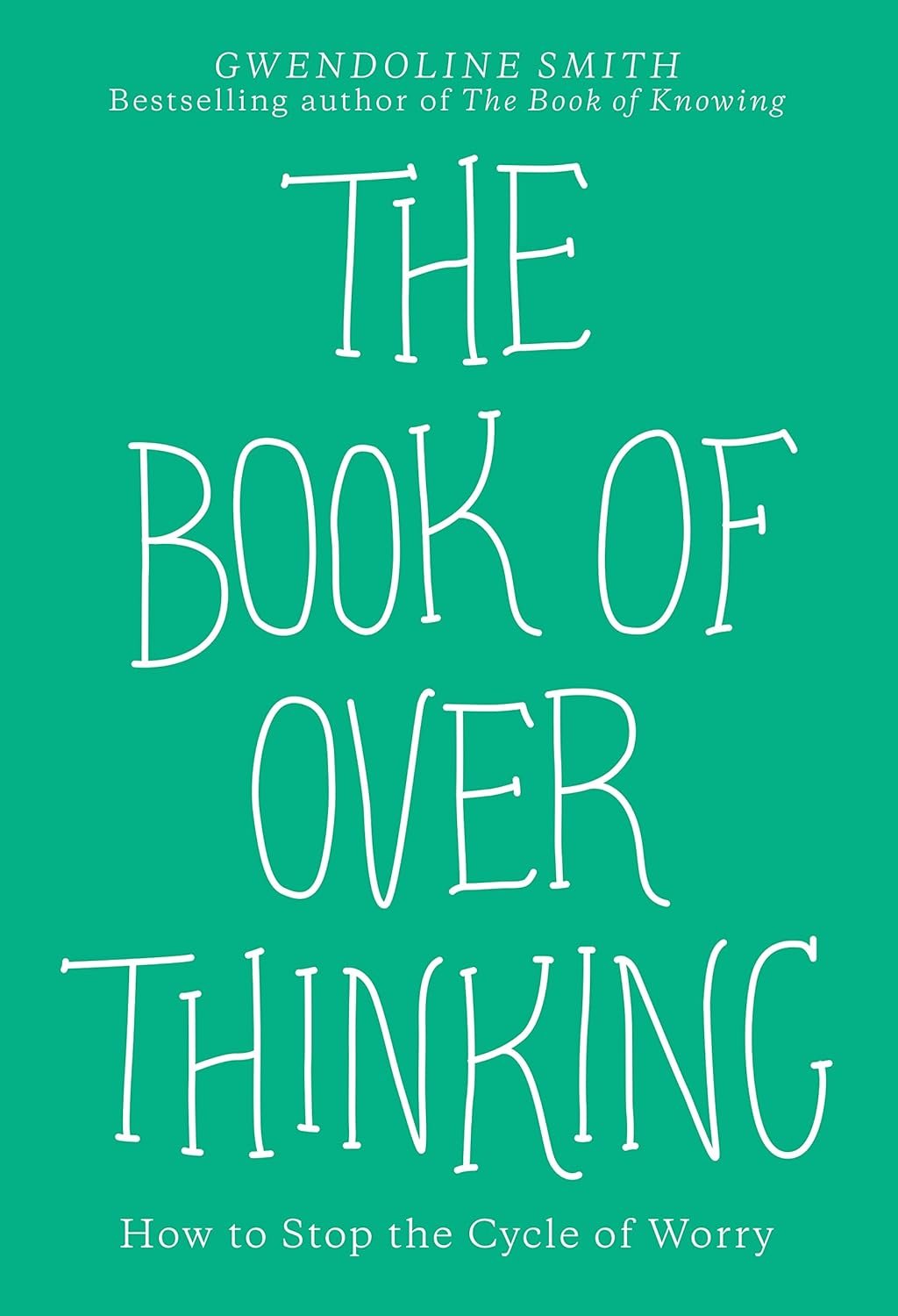 | 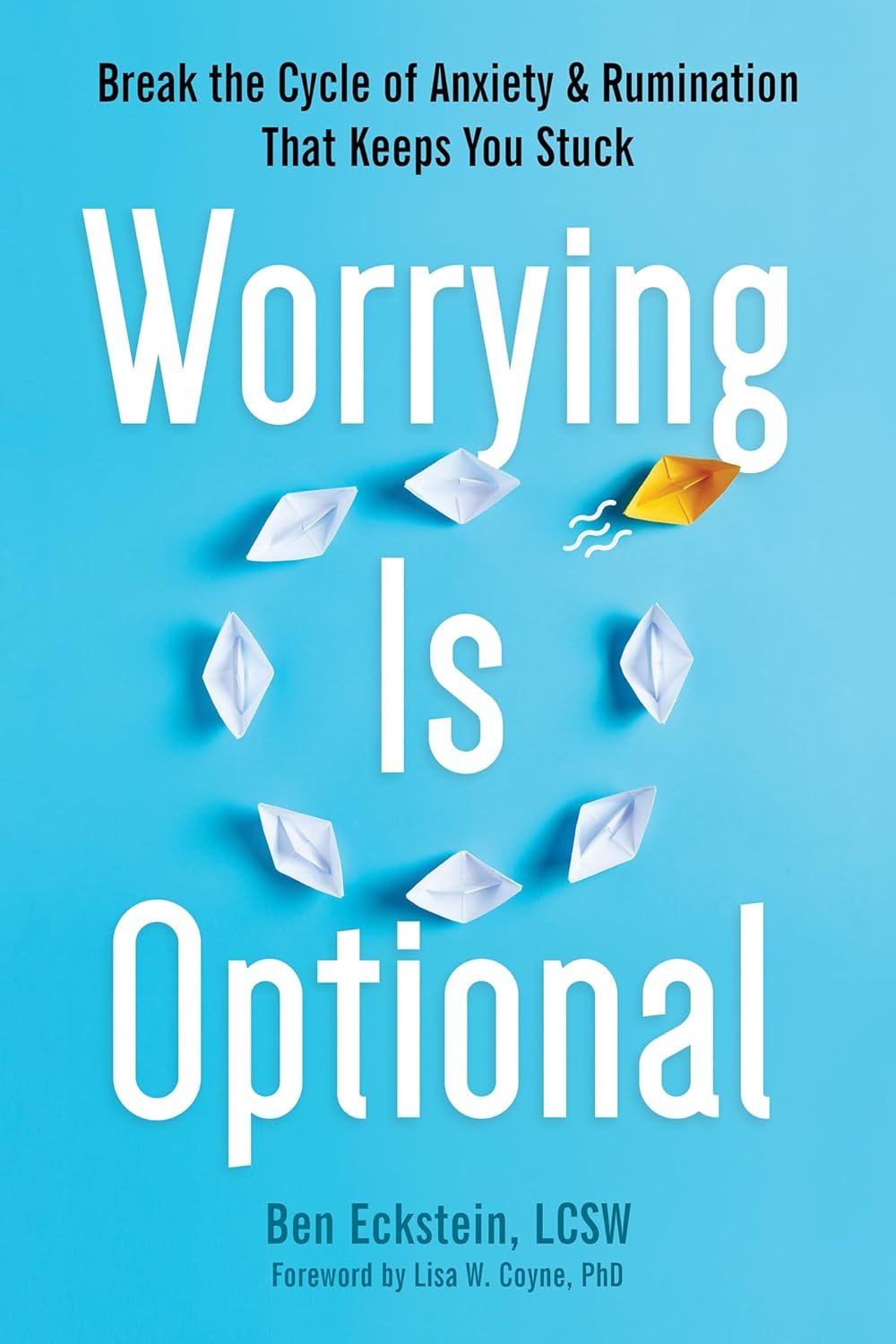 | 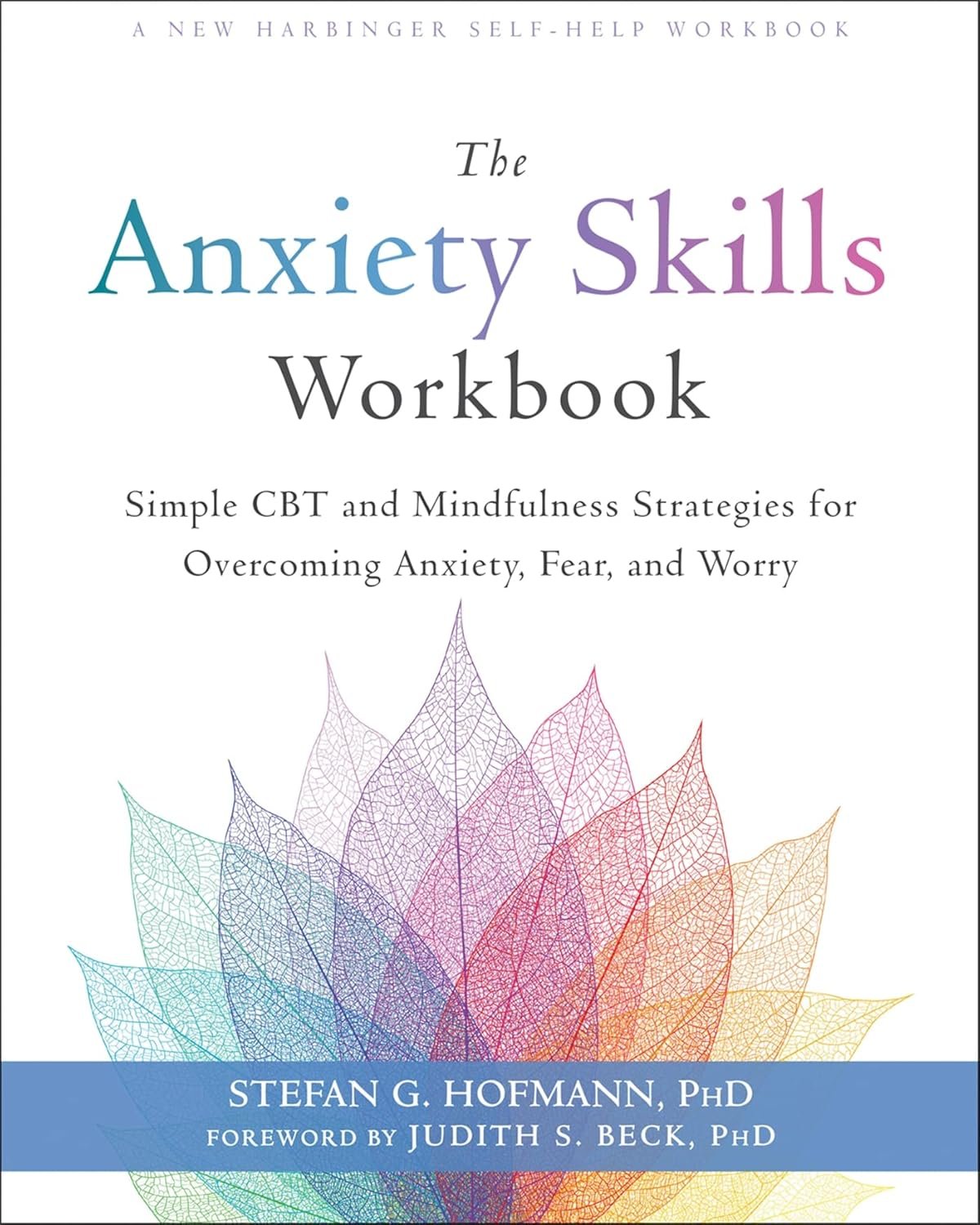 | 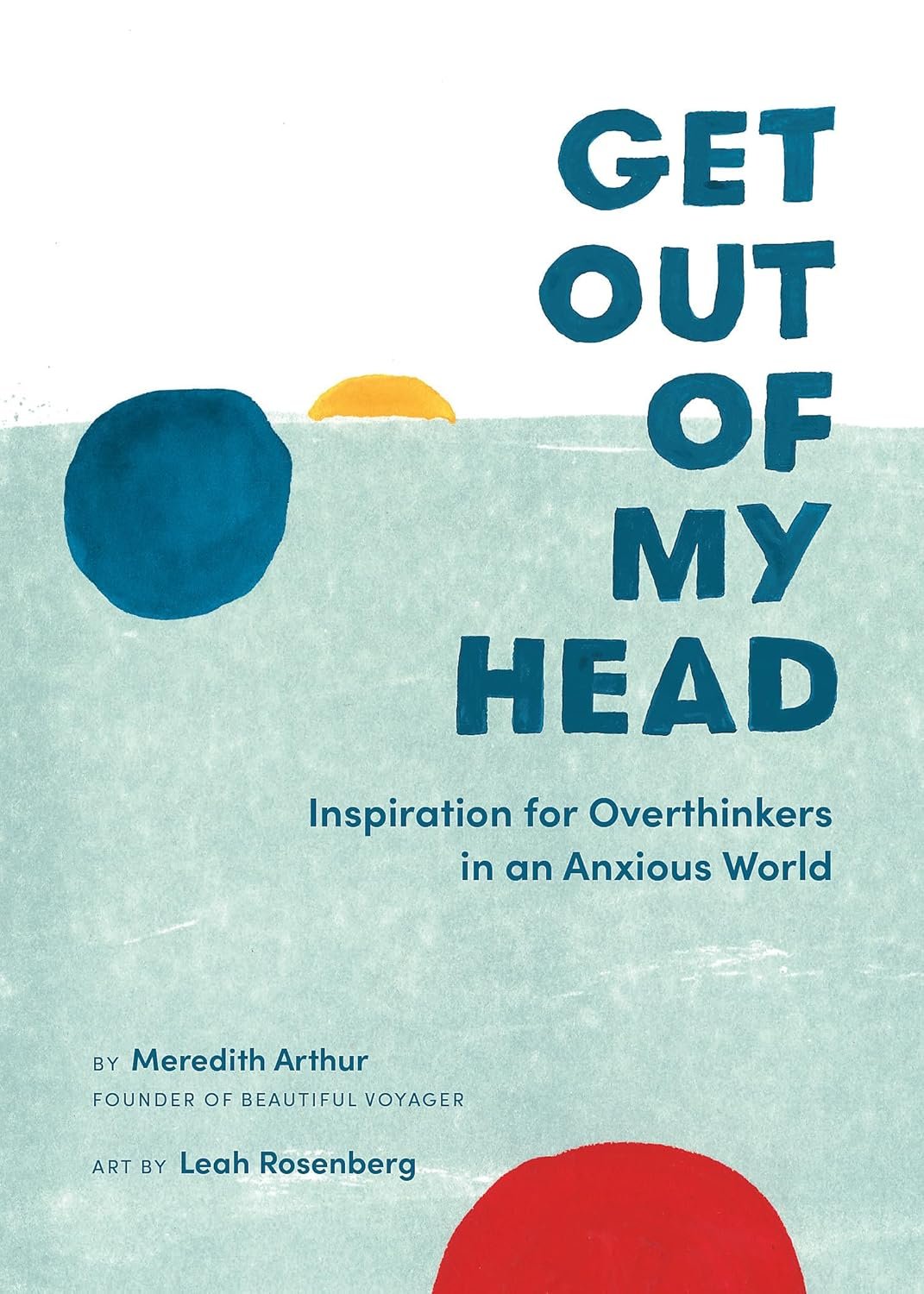 | 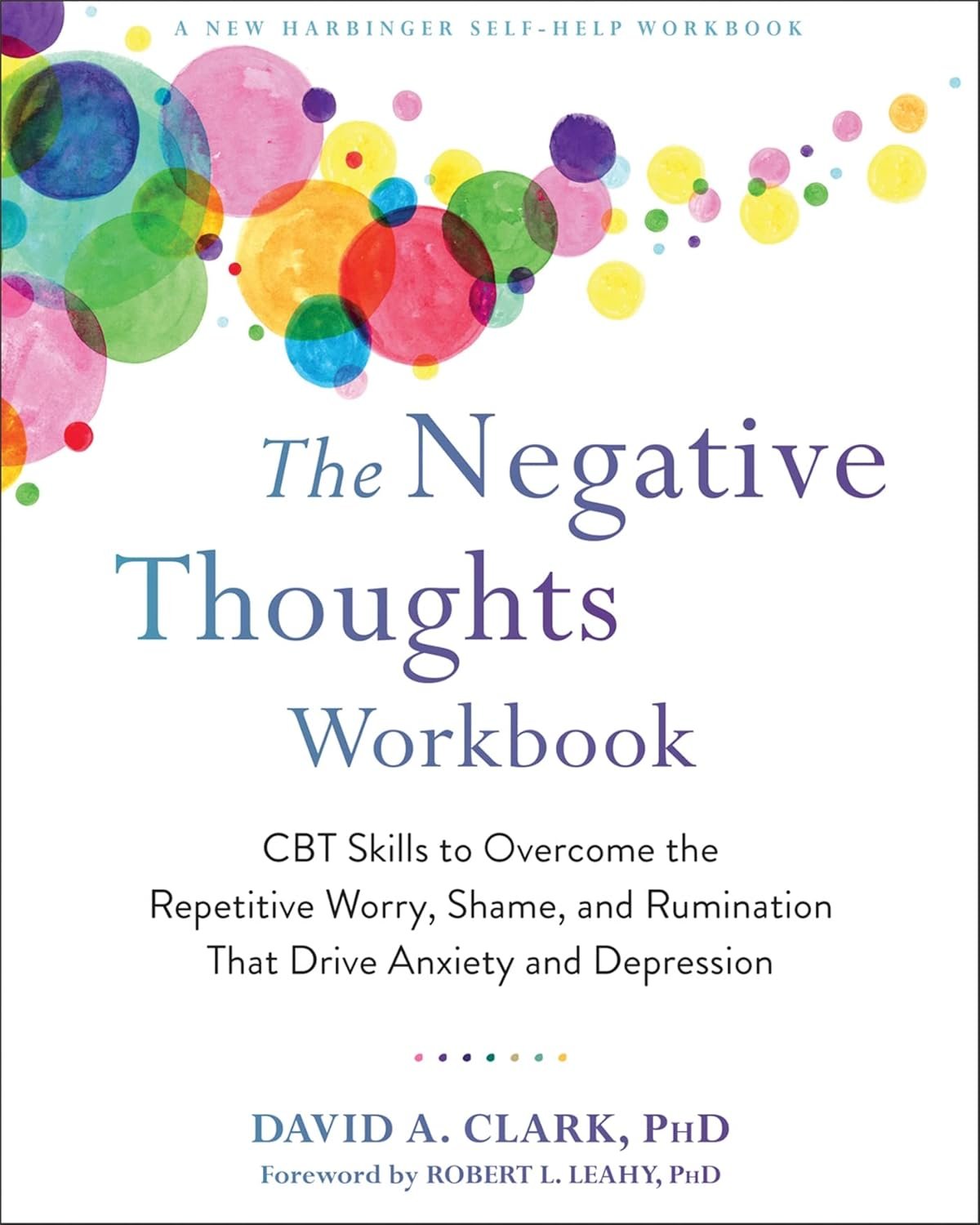 | 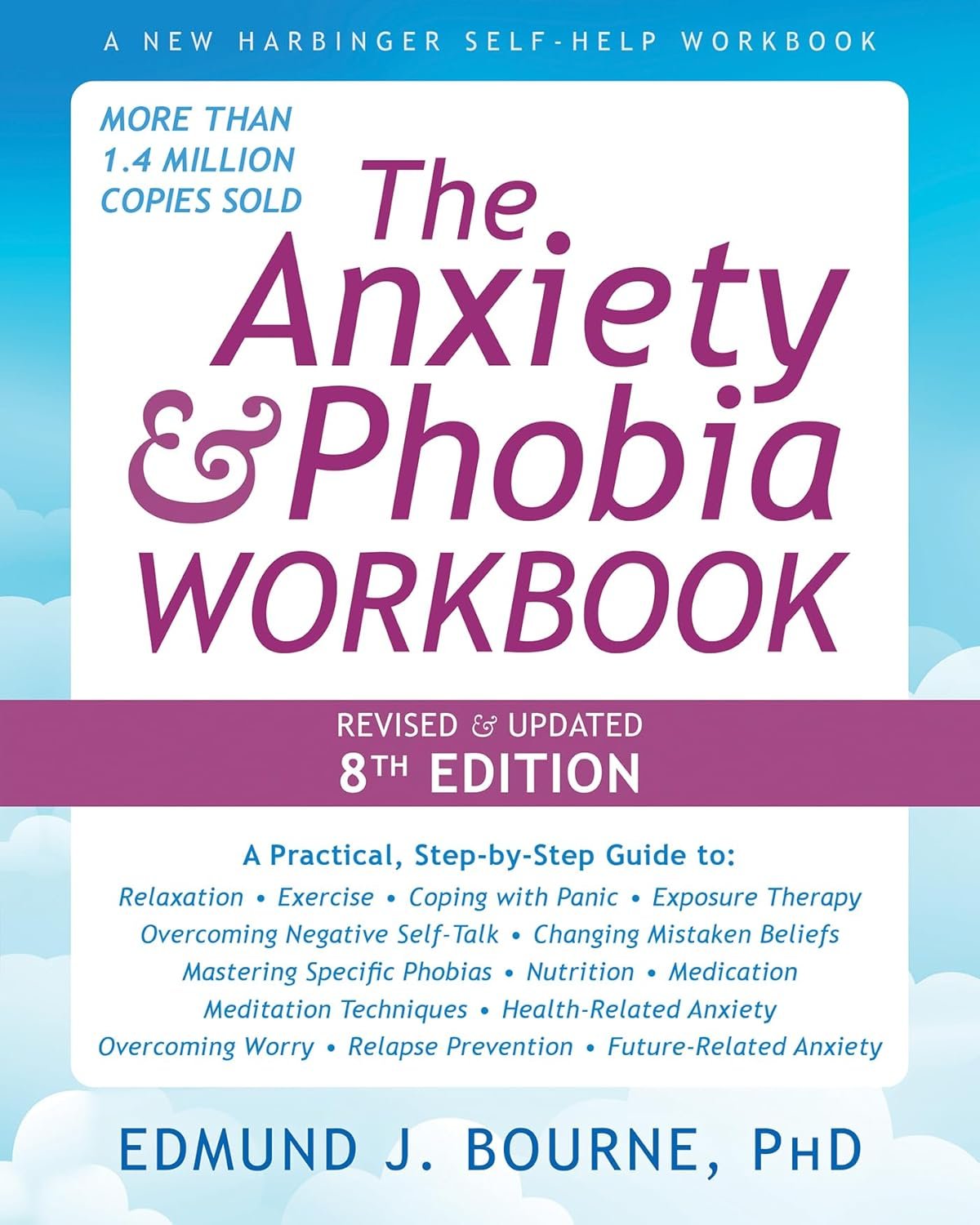 | |
Author | David A. Carbonell, PhD | Ethan Kross, PhD | Gwendoline Smith | Ben Eckstein, PhD | Stefan G. Hofmann, PhD | Meredith Arthur | David A. Clark, PhD | Edmund J. Bourne, PhD |
Best for | Chronic worry and worst-case thinking | Mental chatter and self-talk spirals | General overthinking in daily life | Rumination plus uncertainty | Structured CBT practice | Gentle support for anxious overthinkers | Repetitive negative thoughts | Deep, comprehensive anxiety work |
Style | Practical therapist-led guide | Research-driven popular psychology | Very on-topic, accessible self-help | Newer evidence-based guide | Workbook | Illustrated, relatable guide | Workbook | Large, classic workbook |
Best if you want | To understand why worry hooks you | Science-backed tools for inner voice | A book that speaks directly to overthinking | A newer anti-worry framework | Exercises, not just insight | Something warm and non-intimidating | A focused rumination workbook | The most comprehensive toolkit |
Most useful mood | “My brain always expects the worst” | “My inner voice won’t shut up” | “I overthink everything” | “I keep looping and can’t drop it” | “I want homework and skill drills” | “I need help without dense jargon” | “I keep replaying negative thoughts” | “I want one big reference book” |
Price |  | | | | | | | |
Why this matters
If you are searching for this keyword, you probably do not want a complicated theory lesson. You want to know whether this rule can actually help when your brain will not stop replaying, predicting, second-guessing, or catastrophizing.
That is exactly where the 3-3-3 rule can be useful. It is not about solving the thought. It is about interrupting the loop long enough for your nervous system and attention to settle. Grounding techniques are commonly used to refocus attention on the present, and overthinking itself often creates more stress without offering much resolution.
The short answer
Here is the simplest version:
- Look around and name 3 things you can see
- Listen and name 3 things you can hear
- Move 3 body parts or notice 3 things you can touch
That is the 3-3-3 rule.
It is simple on purpose. When you are overthinking, complicated coping strategies can feel like one more thing to get wrong. The 3-3-3 rule works better because it gives your mind a very small, concrete job.
How the 3-3-3 rule helps overthinking
Overthinking usually pulls you away from the present. You end up stuck in the past, replaying what happened, or in the future, predicting what might go wrong. The 3-3-3 rule cuts across that by forcing attention into what is real and immediate. Verywell Mind explains that the technique helps shift focus from anxious thoughts to present sensory experience, and Cleveland Clinic describes grounding as a way to bring yourself back into the moment when you feel overwhelmed.
That matters because overthinking is not always the same as problem-solving. Cleveland Clinic notes that overthinking often feels productive but usually does not provide real resolution. The more you stay trapped in the loop, the more stressed and mentally exhausted you often become.
So the real job of the 3-3-3 rule is not to answer every fear. It is to help you step out of the spiral first.
Recommended Books for Overthinking
- If your mind always goes to worst-case scenarios, start with The Worry Trick.
- If your issue is nonstop inner narration, start with Chatter.
- If you want the book that speaks most directly to overthinking, start with The Book of Overthinking.
- If you want a newer anti-rumination framework, start with Worrying Is Optional.
- If you want exercises and structured practice, start with The Anxiety Skills Workbook or The Negative Thoughts Workbook.
- If you want something gentler and less clinical, start with Get Out of My Head.
- If you want one big, comprehensive reference, start with The Anxiety and Phobia Workbook.
How to do the 3-3-3 rule step by step
1. Pause and look around
Name 3 things you can see.
Do not rush this part. Actually notice them. Maybe it is the corner of your laptop, the pattern in the rug, and a crack in the ceiling. The point is not to choose impressive objects. The point is to anchor attention in what is physically here.
2. Listen for 3 sounds
Name 3 things you can hear.
Maybe it is a fan, birds outside, traffic, your breath, or the hum of the refrigerator. Again, this works best when you really notice the sounds instead of just racing to finish the exercise.
3. Move 3 body parts or notice 3 touch sensations
Depending on the version you use, either:
- move 3 body parts, like your shoulders, fingers, and toes, or
- notice 3 things you can touch, like your chair, shirt sleeve, and the floor under your feet.
This part matters because movement and touch pull attention into the body, not just the mind. That physical shift is one reason grounding can be helpful when thoughts are racing.
A real-life example
Let’s say you sent a text and now your brain is spiraling:
“Why have they not answered?”
“Did I say something weird?”
“Are they upset?”
“Did I ruin this?”
At that point, trying to argue with every thought may only keep the loop going. Instead:
- you name 3 things you can see in the room
- you notice 3 sounds around you
- you roll your shoulders, wiggle your toes, and unclench your hands
That will not magically answer the text. But it may stop the spiral from taking over the next 30 minutes. Grounding works by interrupting the flow of anxious thoughts and bringing attention back to the present.
Recommended Products for Overthinking
Product | Type | Best for | What stands out | Price | |
|---|---|---|---|---|---|
 | Weighted blanket | Bedtime anxiety and restless sleep | Deep-pressure comfort, premium build, removable cover | | |
 | Weighted sleep mask | Nighttime racing thoughts and travel | Gentle weighted pressure around eyes and temples, strap-free design | | |
 | Diffuser | Wind-down routines and calming sensory cues | Compact size, mist modes, waterless auto-off | | |
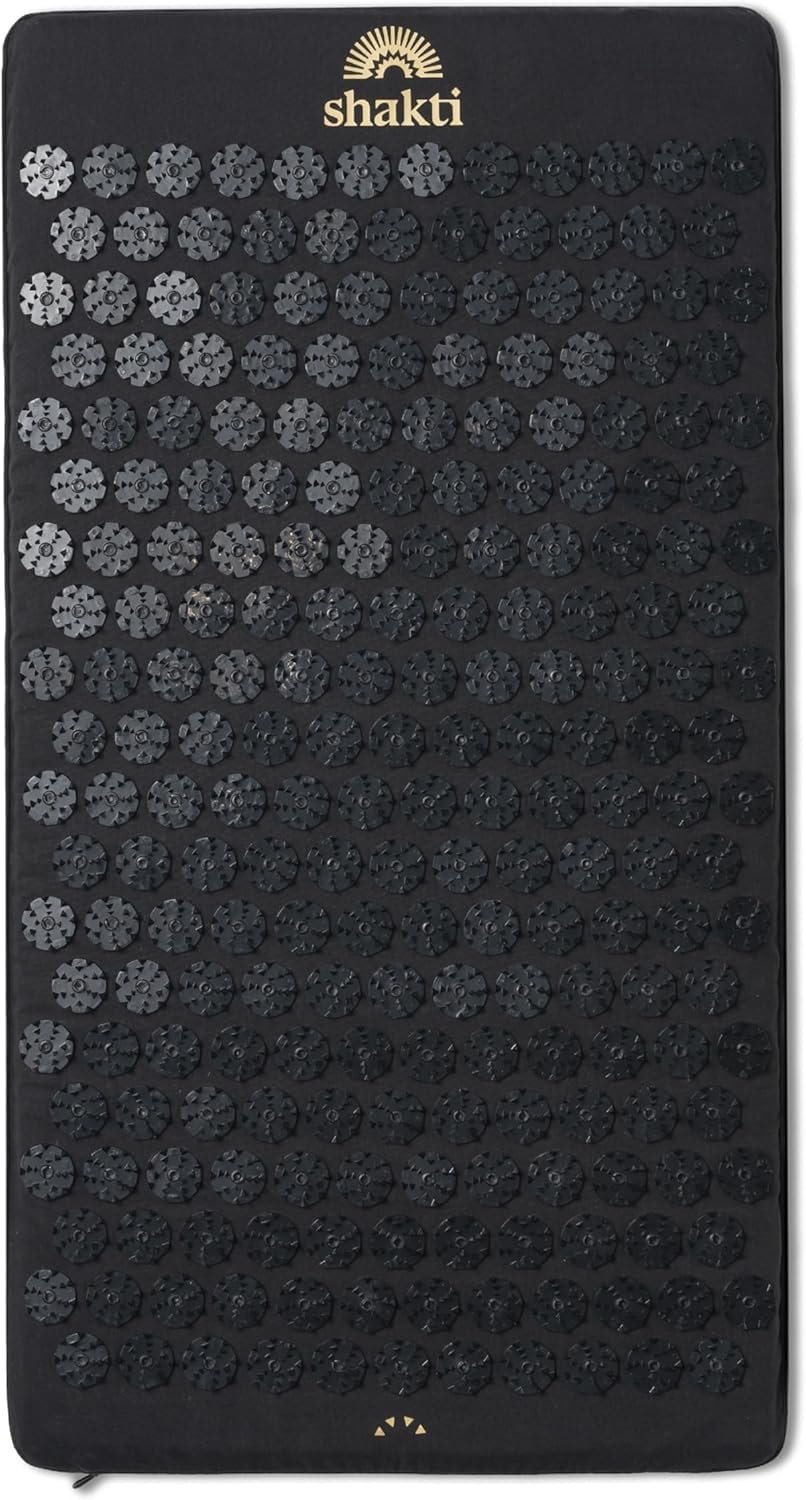 | Acupressure mat | Stress that shows up as body tension | Very direct physical reset, especially for back and shoulders | | |
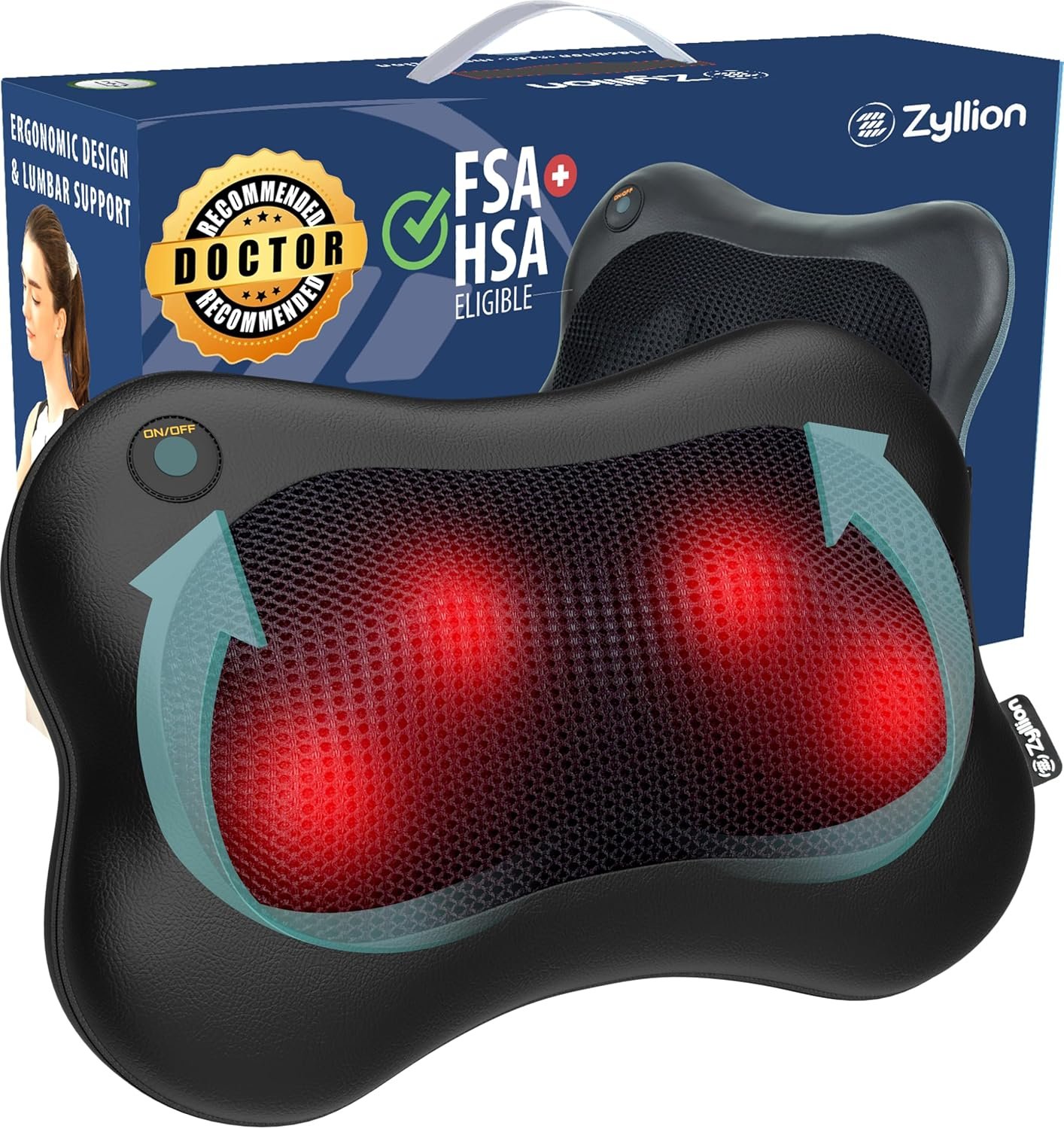 | Heated massager | Tight neck, shoulders, and upper back | Deep kneading plus heat | | |
 | Hot/cold mask | Forehead, eye-area, and facial tension | Flexible hot/cold relief and easy repeat use | | |
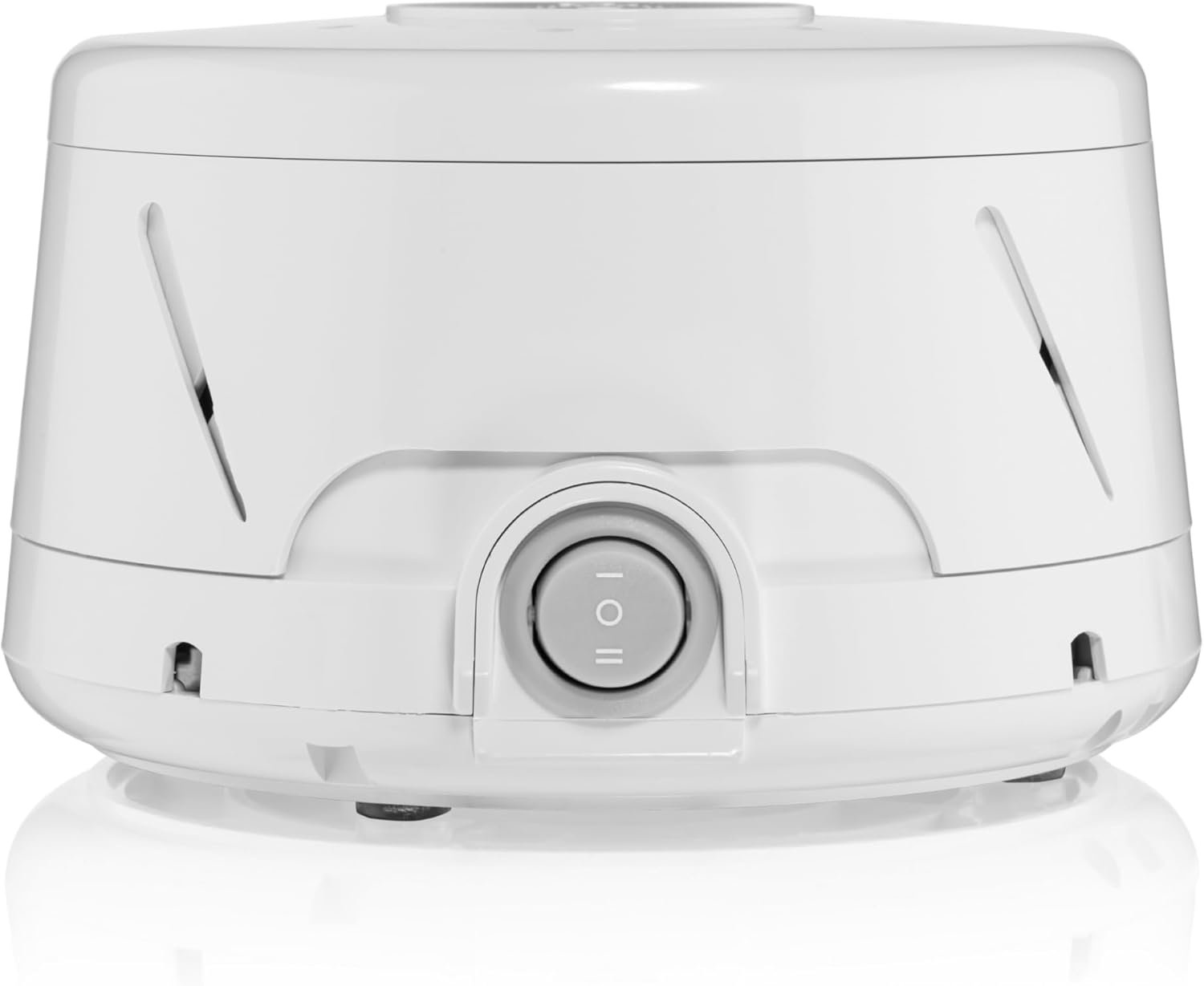 | White noise machine | Noise-sensitive sleepers and overstimulated brains | Real fan-based, non-looping sound | | |
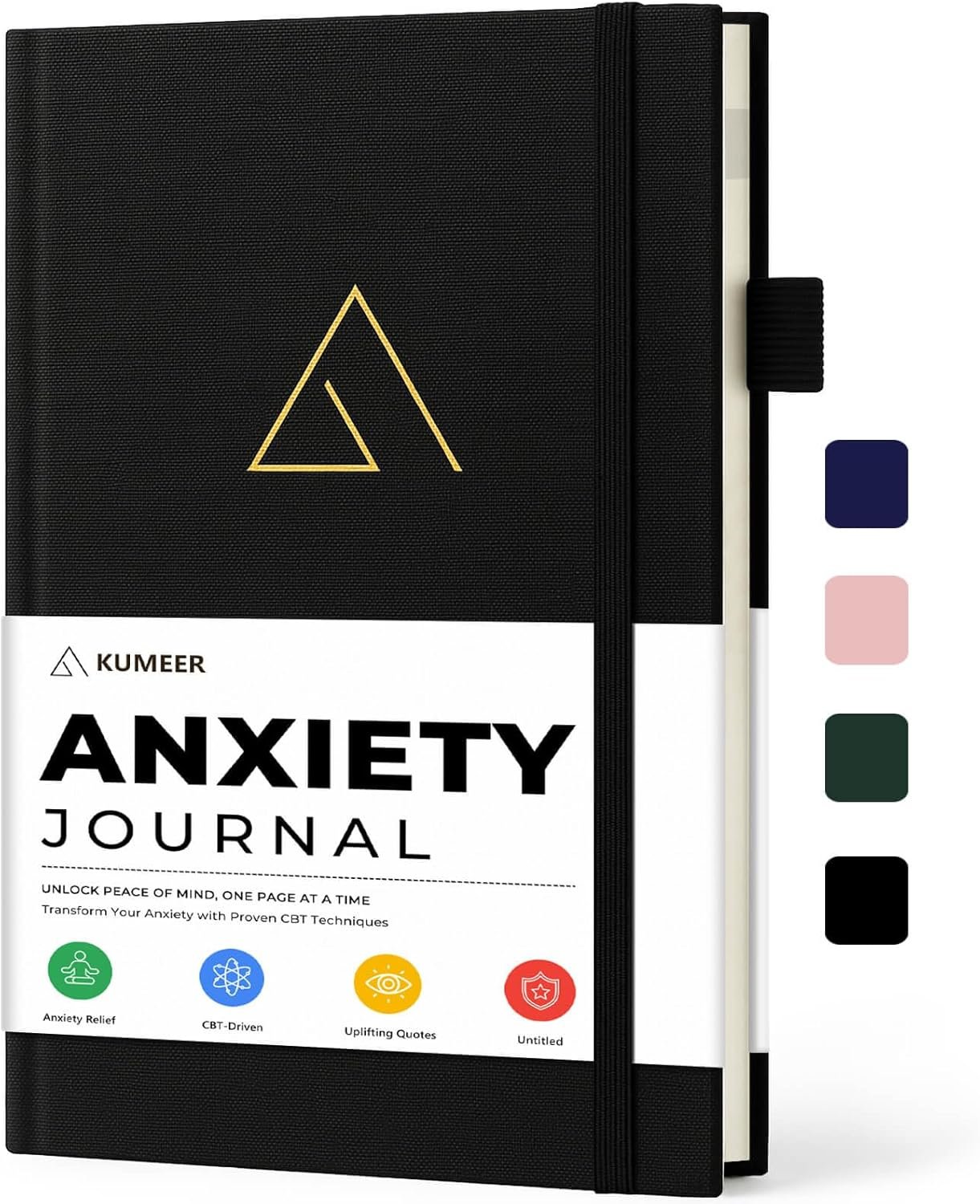 | Guided CBT notebook | Thought spirals and overthinking | Therapist-made CBT structure | | |
 | Fidget tool | Restless hands and anxious energy | Twistable tactile motion, easy to use | | |
 | Textured sensory stickers | Quiet, discreet grounding at work or school | Reusable, low-profile, always-there tactile cue | |
Is the 3-3-3 rule for anxiety or overthinking?
Both, really.
Most clinical-style articles describe it as a rule for anxiety, not specifically overthinking. But overthinking and anxiety overlap a lot. Cleveland Clinic notes that overthinking is commonly associated with anxiety and can create more stress, while NIMH explains that anxiety disorders involve more than occasional worry and can interfere with daily life over time.
So if you are overthinking because you are anxious, overwhelmed, or mentally stuck, the 3-3-3 rule is still a good fit. It is basically a grounding technique being used on an overthinking spiral.
Which version is correct: see-hear-move or see-hear-touch?
You will see both online because there is not one single wording used everywhere.
Verywell Mind describes the rule as 3 things you can see, 3 things you can hear, and 3 ways you can move your body. Cleveland Clinic presents a close variation focused on 3 things you can see, hear, and touch. Both are grounded in the same principle: shifting attention from internal spiraling to external sensory awareness.
For PaulWellness, I would frame it like this:
Use whichever version helps you come back to the present fastest.
If movement feels better, do movement.
If touch feels more calming, do touch.
The spirit of the rule matters more than perfect wording.
When the 3-3-3 rule works best
The 3-3-3 rule tends to work best when:
- your mind is racing
- you are starting to catastrophize
- you are stuck replaying something
- you feel mentally flooded and need a fast reset
- you need something simple you can do in public, at work, or in bed
It is especially useful early in a spiral. Once you are several layers deep into overthinking, it can still help, but you may need to repeat it or pair it with another calming strategy like slow breathing, a short walk, or writing the worry down. Cleveland Clinic recommends sensory grounding and breathing as ways to calm anxious spirals, and NHS recommends writing worries down and setting aside worry time so they do not consume the whole day.
What to do after the 3-3-3 rule
This is another gap in most articles. They define the technique, but they do not tell you what to do next.
Once the spiral eases a little, ask yourself one question:
Is this a problem I can act on right now, or is it a loop?
If it is actionable, take one small step.
If it is not actionable, write it down and come back to it later.
NHS recommends writing worries down, using short worry time, and separating worries you can act on from worries you cannot control right now.
That matters because grounding is a reset, not always a full solution. Sometimes the next step is practical action. Sometimes the next step is letting the thought go for now.
What the 3-3-3 rule does not do
The 3-3-3 rule can help in the moment, but it is not meant to cure anxiety, erase all overthinking, or replace treatment when symptoms are severe.
NIMH explains that anxiety disorders involve more than occasional worry. For people with these disorders, anxiety can persist, show up in many situations, and get worse over time. To diagnose generalized anxiety disorder, worry must be difficult to control on most days for at least six months and come with symptoms like restlessness, fatigue, trouble concentrating, irritability, muscle tension, or sleep problems.
So if you find yourself needing the 3-3-3 rule constantly, or if overthinking is disrupting sleep, work, relationships, or daily functioning, it makes sense to look beyond quick coping tools and get professional support.
A better way to think about it
Do not judge the 3-3-3 rule by asking, “Did it make every anxious thought disappear?”
Judge it by asking:
- Did it interrupt the spiral?
- Did it help me feel more present?
- Did it give me enough space to choose my next step?
That is a fairer and more useful standard.
If the 3-3-3 rule is not enough
If the rule only helps a little, that does not mean you failed. It may just mean you need to pair it with something else.
Helpful next-step options include:
- slow breathing or box breathing
- writing the worry down
- scheduled worry time
- a short walk or other physical movement
- mindfulness or body-based grounding
- therapy if the pattern is persistent or hard to control
Often, a quick grounding tool works best as the first step, not the only step.
FAQ: What Is the 3-3-3 Rule for Overthinking?
What is the 3-3-3 rule for overthinking in simple terms?
It is a grounding exercise where you notice 3 things you can see, 3 things you can hear, and 3 things you can move or touch to pull your attention out of an overthinking spiral and back into the present moment.
Does the 3-3-3 rule actually work for overthinking?
It can help interrupt a spiral because it redirects attention from repetitive thoughts to immediate sensory experience. That is the core purpose of grounding techniques. It is most helpful as a quick reset, especially when your brain is starting to race.
Is the 3-3-3 rule the same as the 5-4-3-2-1 method?
No. They are related, but not the same. Both are grounding tools. The 5-4-3-2-1 method uses a longer sensory scan, while the 3-3-3 rule is shorter and faster. Cleveland Clinic specifically recommends 5-4-3-2-1 as another sensory grounding option for anxiety.
Can I use the 3-3-3 rule at night?
Yes. It can be useful when your mind is racing in bed because it gives you something concrete to focus on instead of continuing the loop. If nighttime overthinking is frequent, NHS also recommends writing worries down and setting aside worry time so thoughts do not take over when you are trying to sleep.
What if the 3-3-3 rule does not calm me down?
You may need to repeat it, slow your breathing, change environments, or pair it with another coping tool. If overthinking or anxiety is hard to control and keeps interfering with daily life, it is worth talking to a mental health professional.
Other Interesting Articles
- Free Therapy Worksheets at Paul Wellness
- 10 of the Best Anxiety Relief Products
- Best Journal for Overthinkers
- Best Books for Overthinking
About the Author
Paul Wellness
Paul Wellness is a mental-health professional and writer dedicated to helping individuals and couples strengthen relationships through evidence-based insight and emotional growth. Combining therapeutic expertise with practical tools, Paul Wellness empowers readers to create trust, connection, and lasting love.
Final takeaway
So, what is the 3-3-3 rule for overthinking? It is a simple grounding tool that helps you step out of a mental spiral by noticing 3 things you can see, 3 things you can hear, and 3 things you can move or touch. It is not magic, but it is practical, fast, and easy to use when your thoughts start running ahead of you.