 by
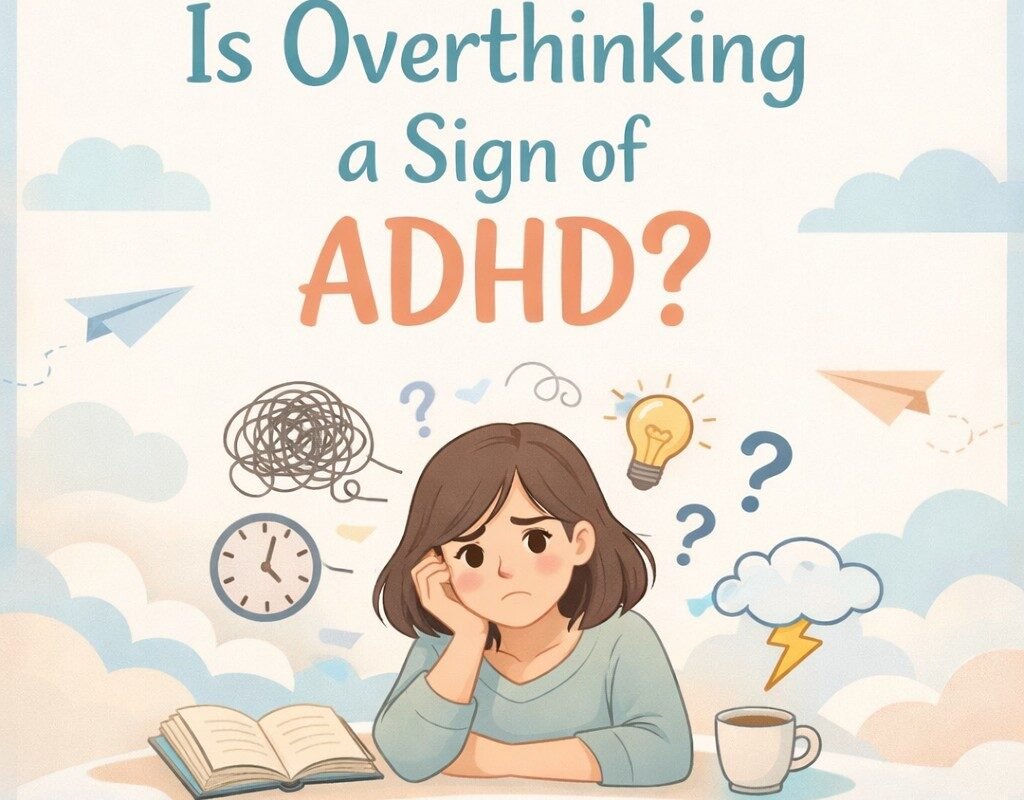
by Is overthinking a sign of ADHD? Sometimes, yes, but not in the way most people mean it. Overthinking is not one of the formal DSM-5 diagnostic criteria for ADHD. The official criteria focus on patterns of inattention and/or hyperactivity-impulsivity, and NIMH likewise describes ADHD as a developmental disorder marked by persistent symptoms in those categories.
At the same time, many people with ADHD do feel like they “overthink.” That can happen because ADHD often affects attention control, executive functioning, internal restlessness, and emotion regulation, and those struggles can create mental loops that feel like nonstop analysis. Adults with ADHD may struggle with attention, organization, behavior control, and internal restlessness, and research reviews find that adults with ADHD tend to use more maladaptive emotion-regulation strategies than people without ADHD.
So the most accurate answer is this: overthinking is not a standalone sign that proves ADHD, but it can absolutely show up alongside ADHD and be driven by ADHD-related difficulties. It can also be caused by anxiety, depression, sleep problems, or other conditions that can look similar, which is why diagnosis has to look at the full pattern, not just one symptom.
Best Books for Overthinking: Comparison Table
Feature | ||||||||
|---|---|---|---|---|---|---|---|---|
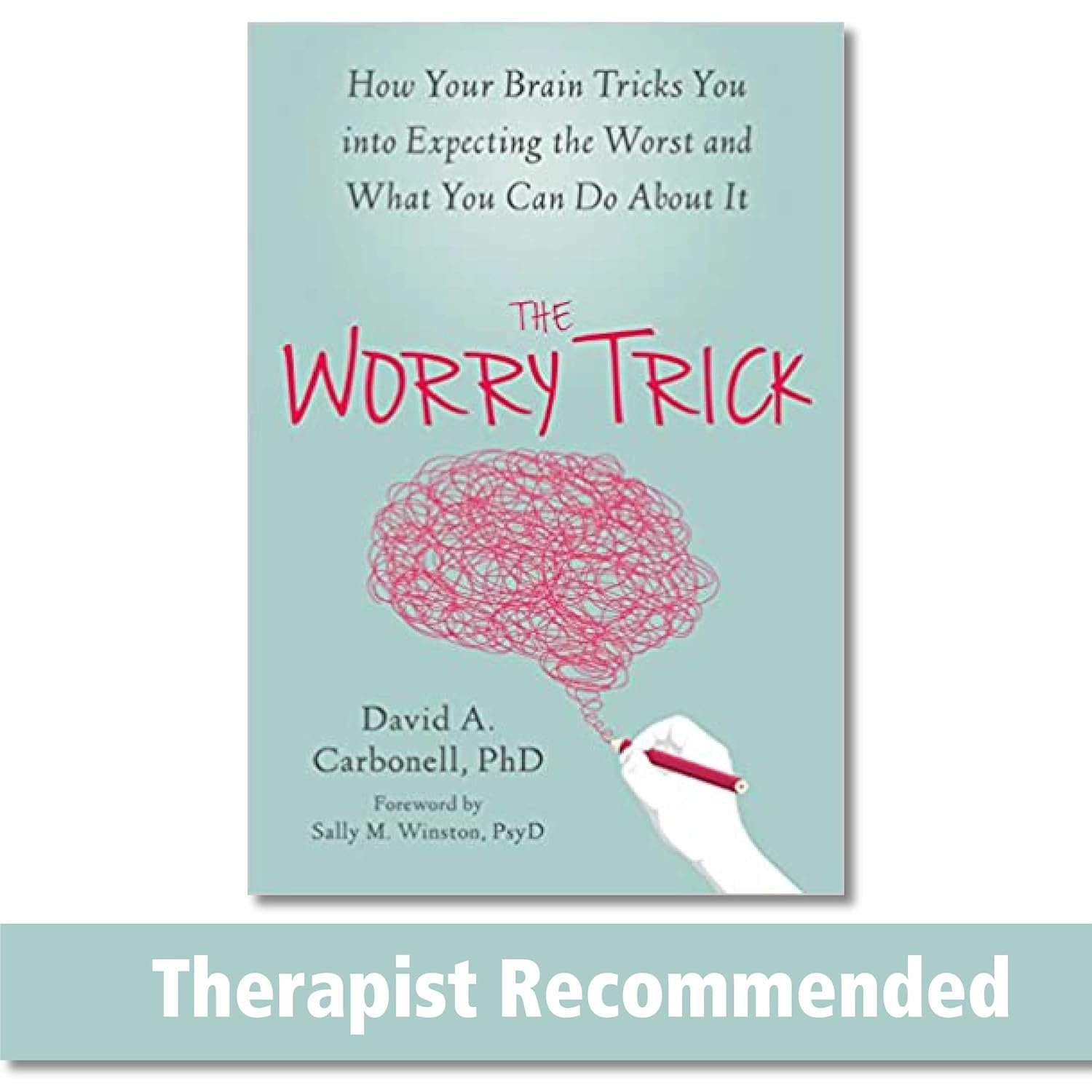 | 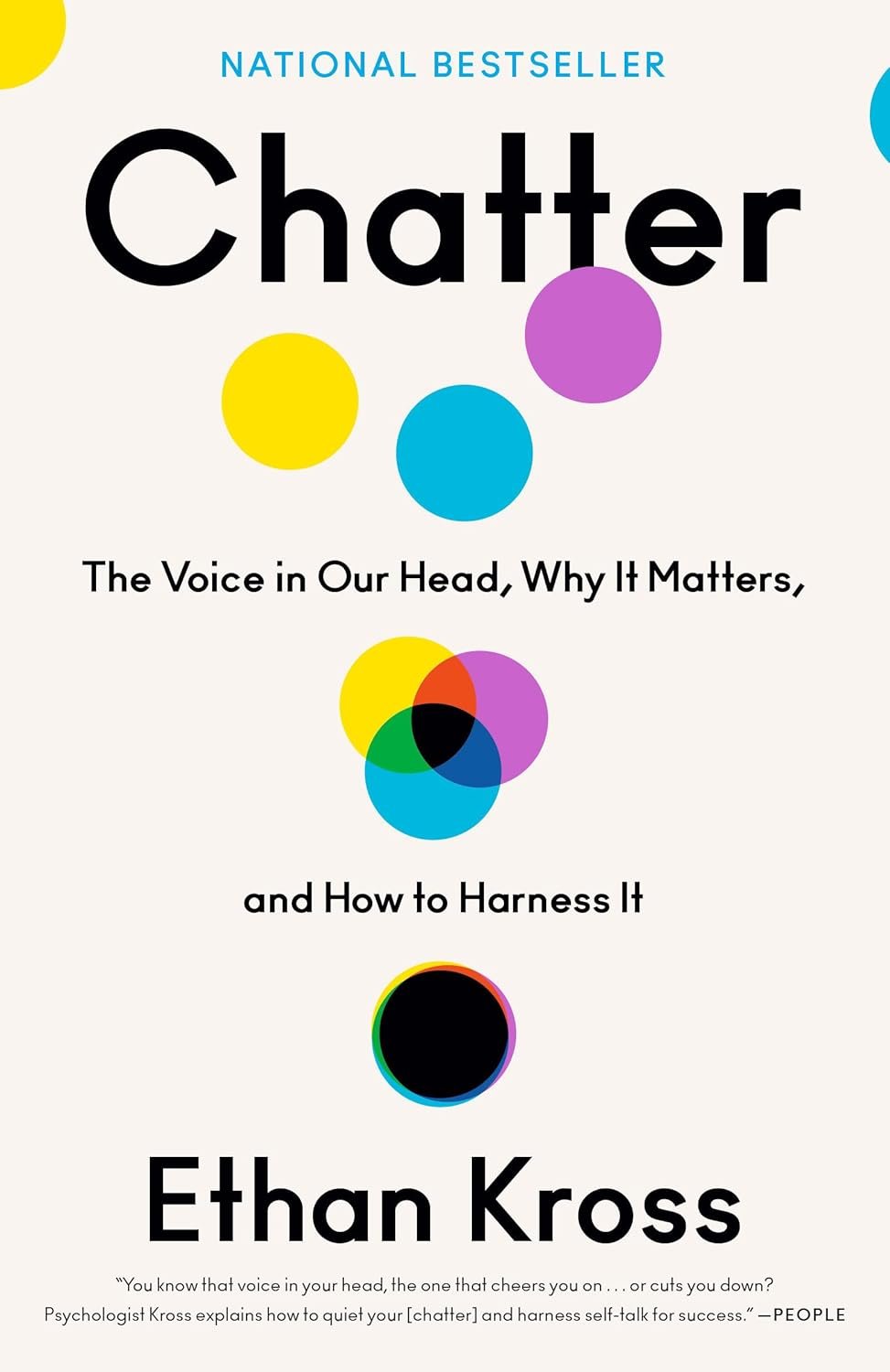 | 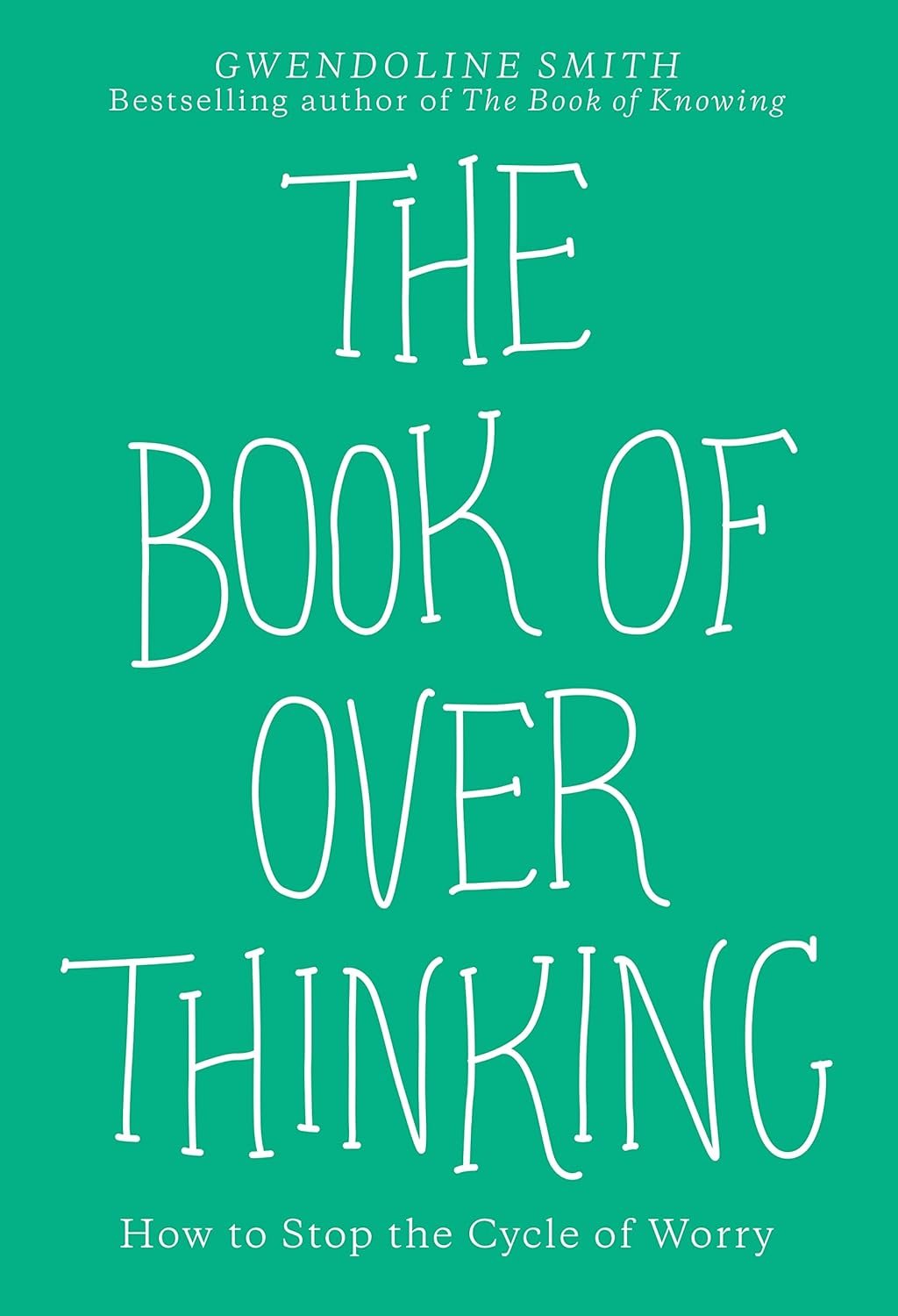 | 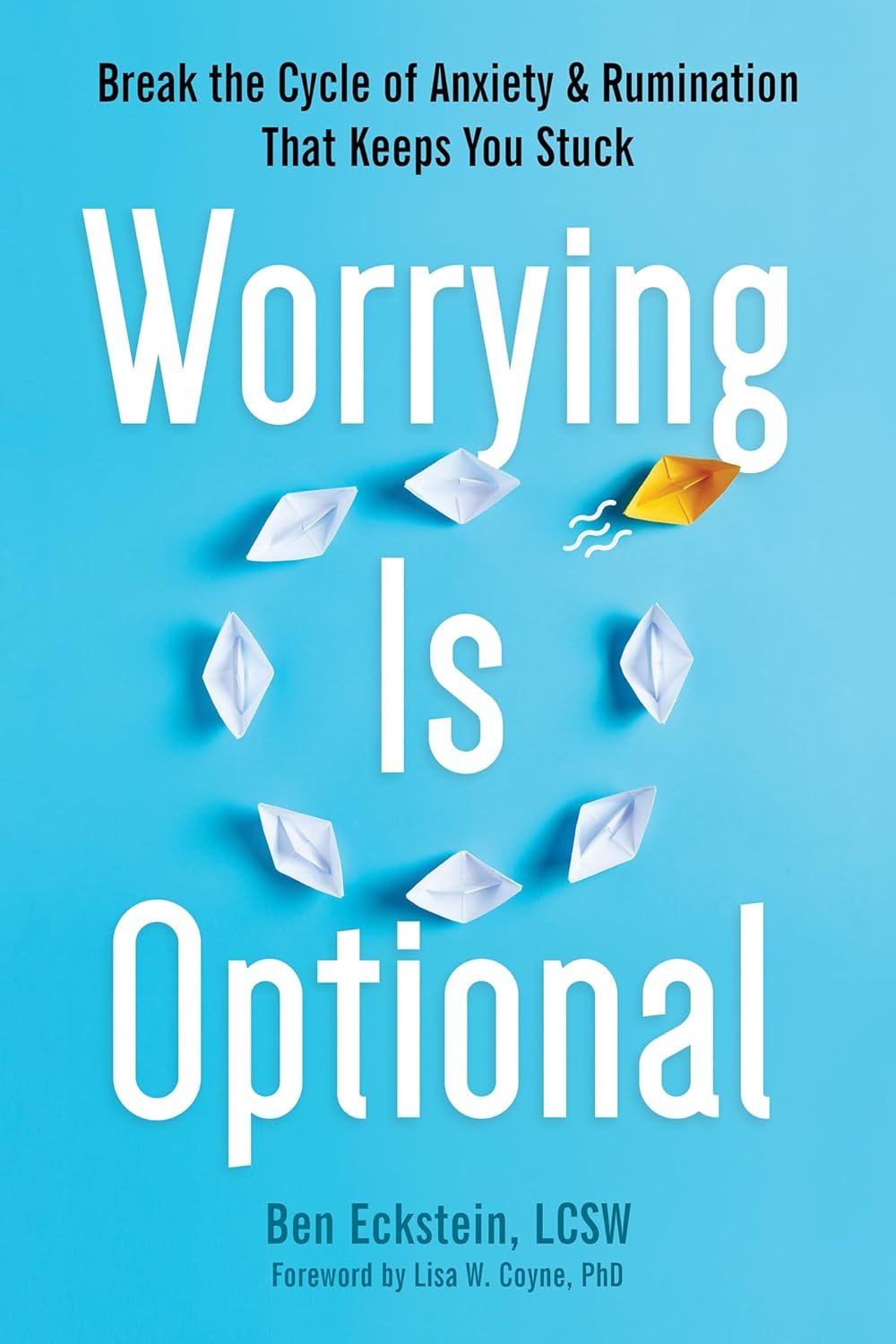 | 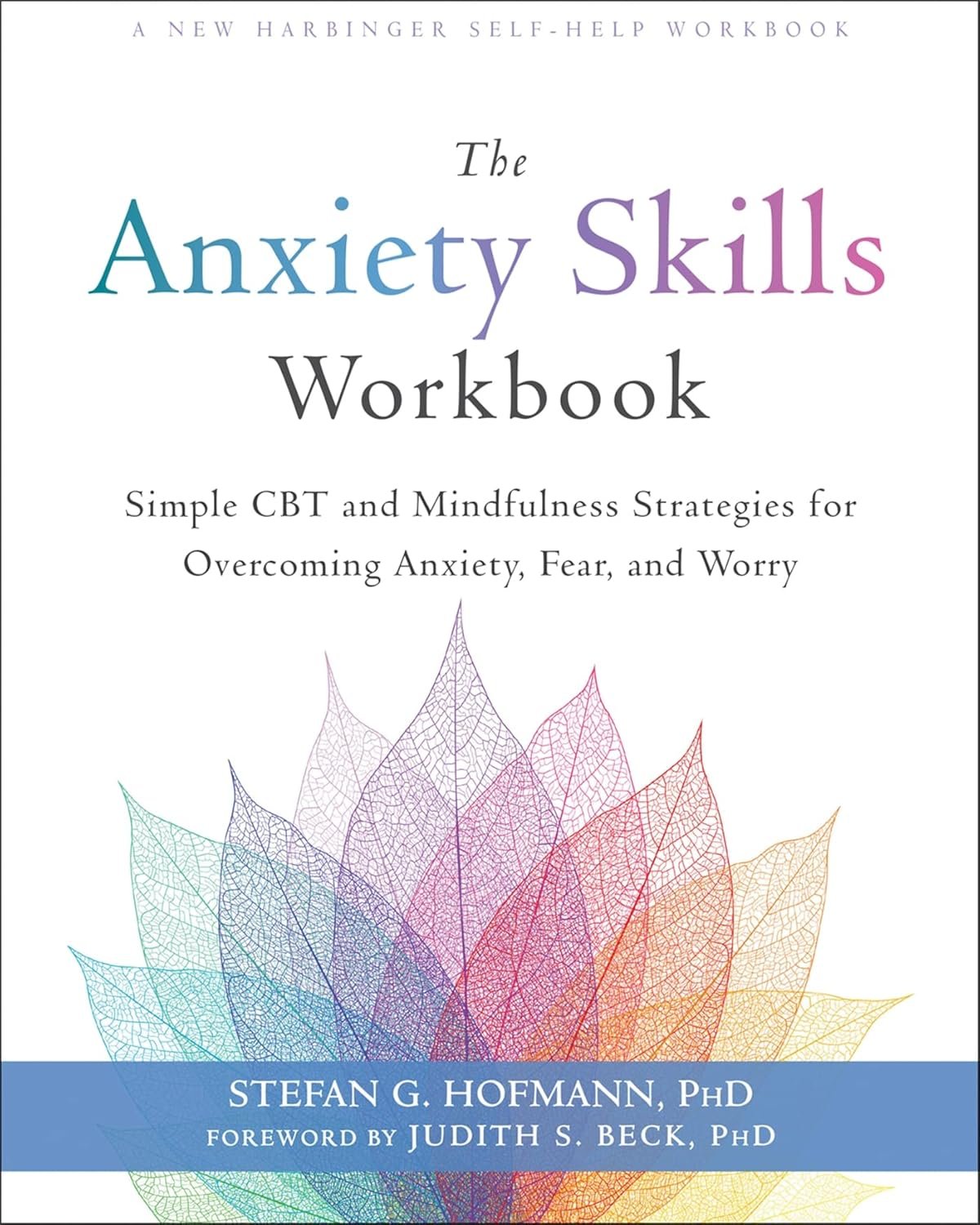 | 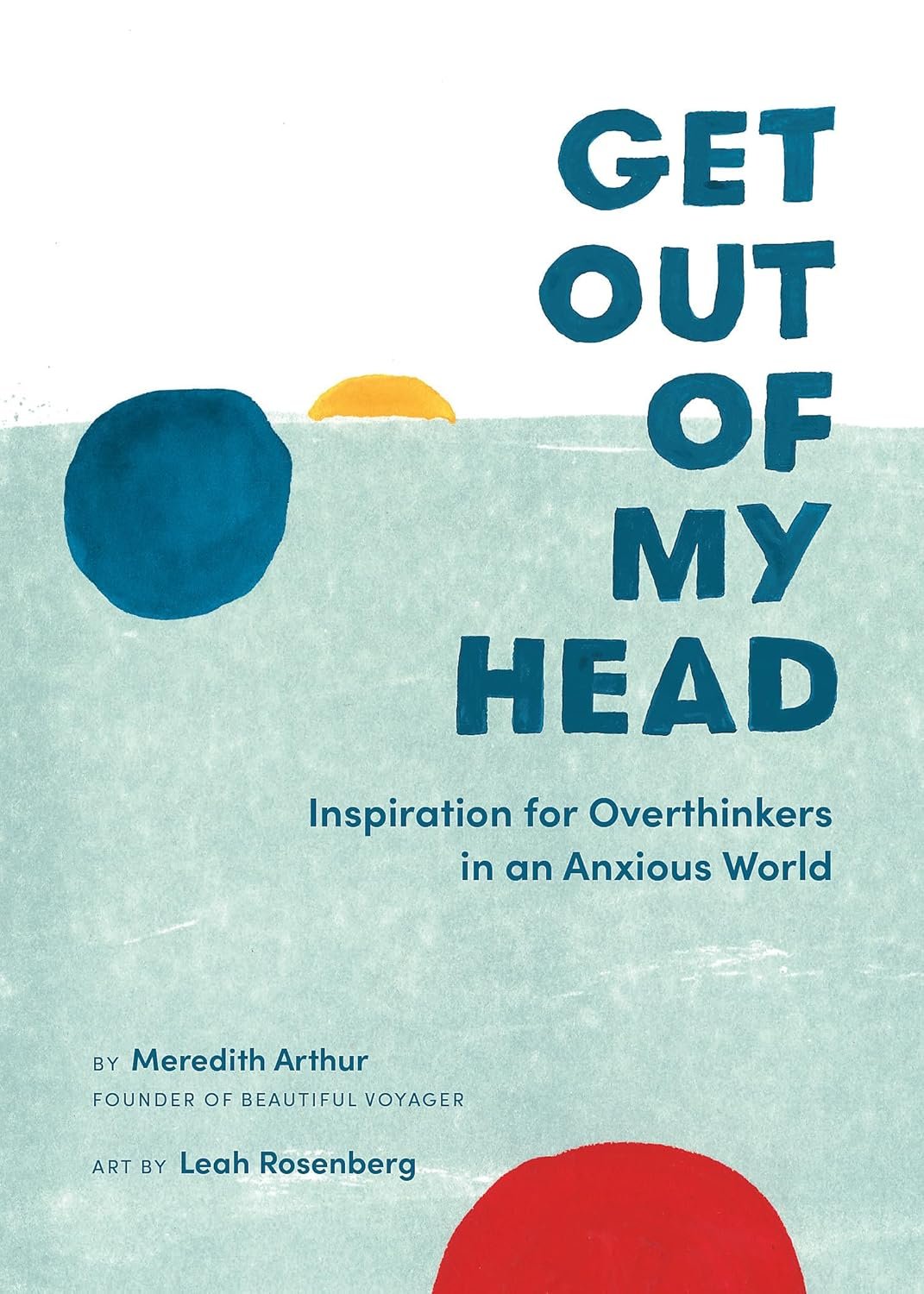 | 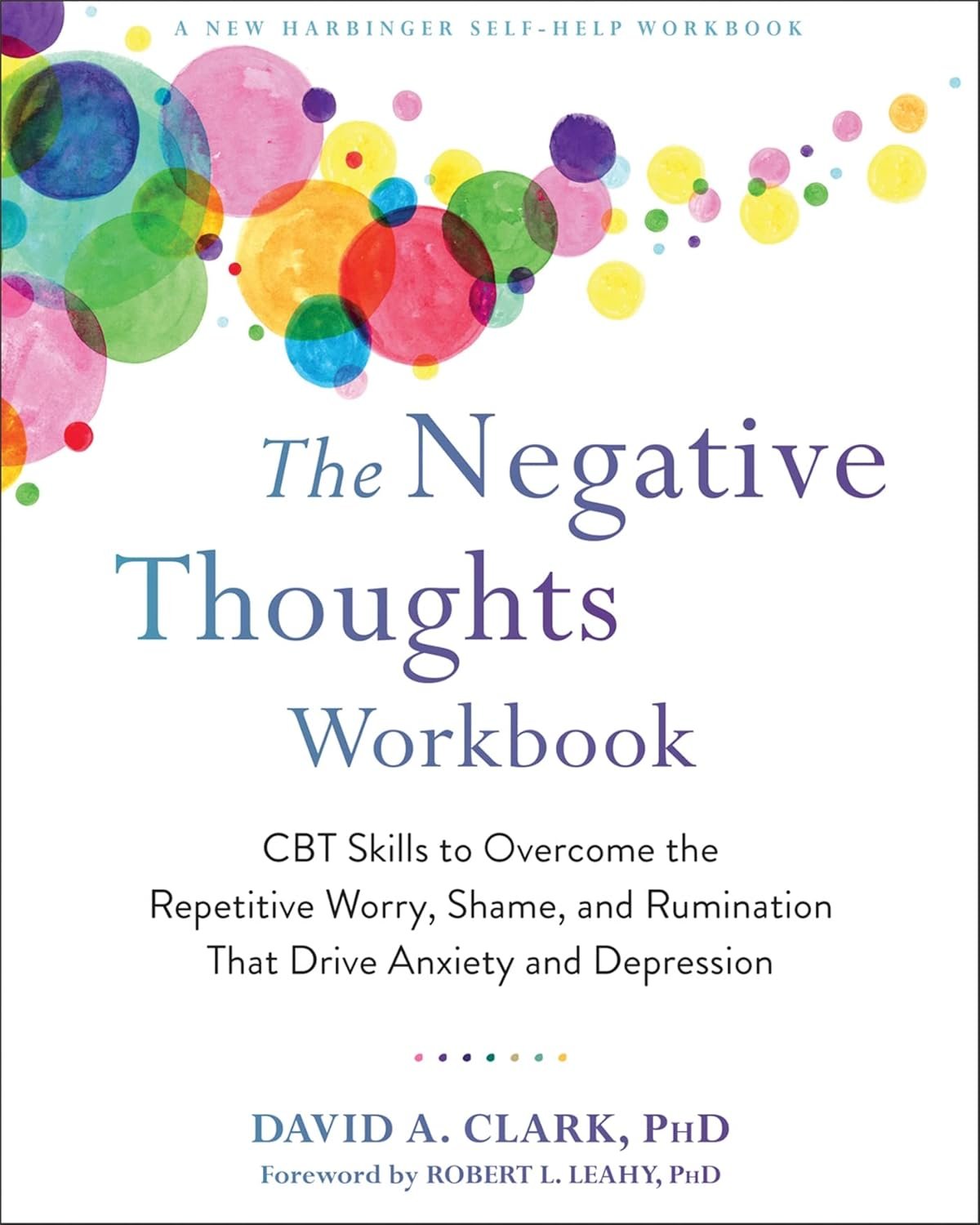 | 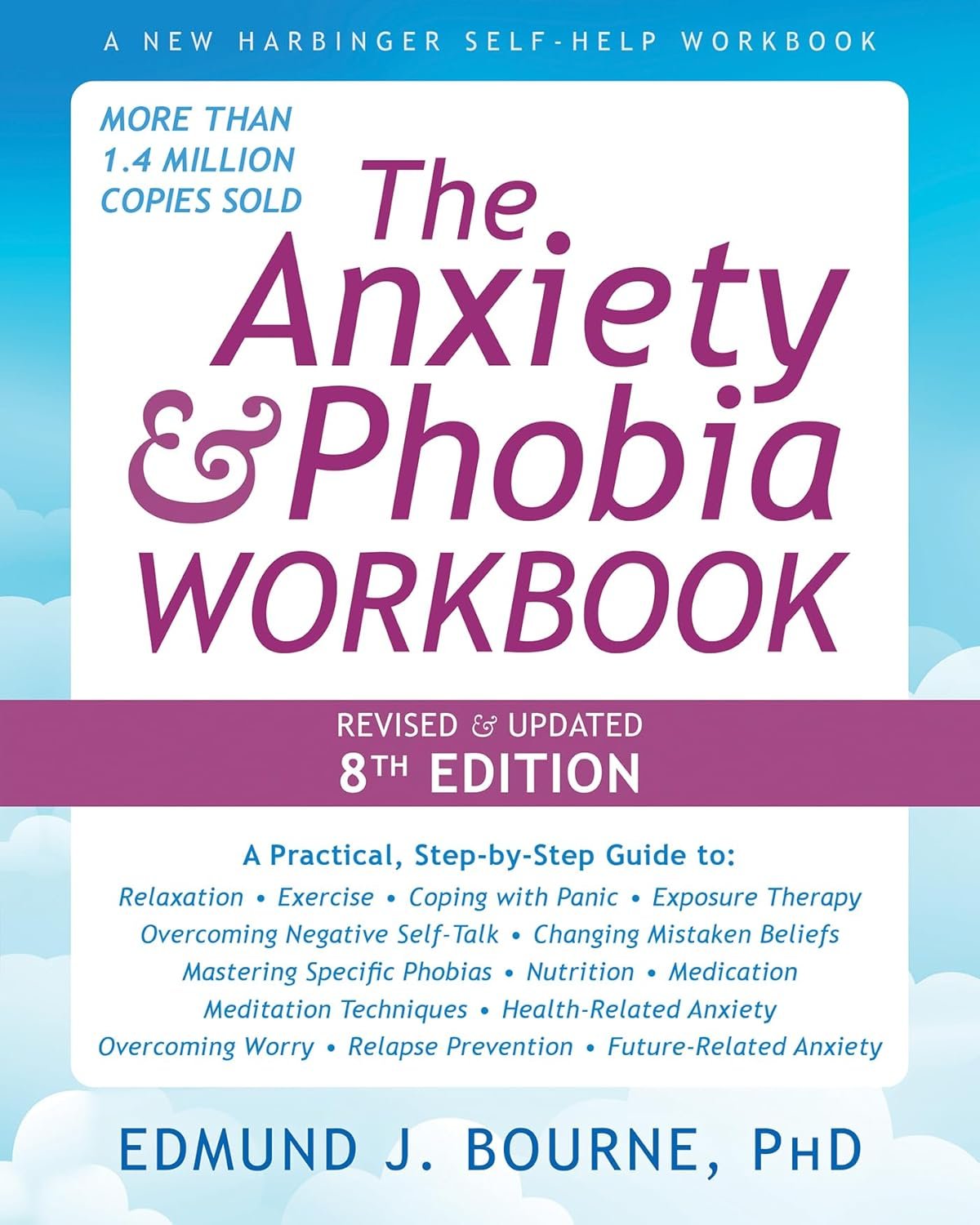 | |
Author | David A. Carbonell, PhD | Ethan Kross, PhD | Gwendoline Smith | Ben Eckstein, PhD | Stefan G. Hofmann, PhD | Meredith Arthur | David A. Clark, PhD | Edmund J. Bourne, PhD |
Best for | Chronic worry and worst-case thinking | Mental chatter and self-talk spirals | General overthinking in daily life | Rumination plus uncertainty | Structured CBT practice | Gentle support for anxious overthinkers | Repetitive negative thoughts | Deep, comprehensive anxiety work |
Style | Practical therapist-led guide | Research-driven popular psychology | Very on-topic, accessible self-help | Newer evidence-based guide | Workbook | Illustrated, relatable guide | Workbook | Large, classic workbook |
Best if you want | To understand why worry hooks you | Science-backed tools for inner voice | A book that speaks directly to overthinking | A newer anti-worry framework | Exercises, not just insight | Something warm and non-intimidating | A focused rumination workbook | The most comprehensive toolkit |
Most useful mood | “My brain always expects the worst” | “My inner voice won’t shut up” | “I overthink everything” | “I keep looping and can’t drop it” | “I want homework and skill drills” | “I need help without dense jargon” | “I keep replaying negative thoughts” | “I want one big reference book” |
Price |  | | | | | | | |
Why this matters
A lot of people ask this question because they do not look “traditionally ADHD” on the outside. They may not be obviously hyperactive, but inside their mind feels crowded, restless, distracted, and hard to shut off. That can be especially true in adults, where hyperactivity may show up more as internal restlessness than obvious physical overactivity.
That is where people get confused. They assume, “If I think too much, maybe I have ADHD,” or, “If I have ADHD, then overthinking must be one of the official symptoms.” Neither of those is quite right. The better question is whether your overthinking seems tied to a broader ADHD pattern like distractibility, disorganization, missed deadlines, impulsivity, poor follow-through, or lifelong problems with attention and self-management.
The short answer
If you want the cleanest answer possible, here it is:
- No, overthinking by itself is not an official ADHD symptom.
- Yes, people with ADHD may still experience overthinking a lot.
- And yes, overthinking in someone with ADHD is often made worse by coexisting anxiety, stress, or emotional dysregulation.
That is why this is tricky. The answer is not a simple yes or no. It is “not a diagnostic criterion, but often part of the lived experience.”
What ADHD overthinking can actually look like
ADHD-related overthinking often does not look like calm, organized reflection. It usually feels more scattered, urgent, and hard to direct. It can sound like:
- replaying what you forgot to do
- getting stuck trying to choose between too many options
- mentally bouncing between five ideas at once
- overanalyzing a task because starting feels overwhelming
- spiraling after social mistakes or criticism
- lying awake with a restless, fast-moving mind
A concrete example helps. Someone with ADHD might need to send one work email, but instead they open the draft, second-guess the wording, remember three other unfinished tasks, worry they already dropped the ball, feel embarrassed about past mistakes, and then shut down. That looks like “overthinking,” but underneath it may be a mix of executive overload, distractibility, internal restlessness, and emotional flooding rather than just simple worry.
Recommended Books for Overthinking
- If your mind always goes to worst-case scenarios, start with The Worry Trick.
- If your issue is nonstop inner narration, start with Chatter.
- If you want the book that speaks most directly to overthinking, start with The Book of Overthinking.
- If you want a newer anti-rumination framework, start with Worrying Is Optional.
- If you want exercises and structured practice, start with The Anxiety Skills Workbook or The Negative Thoughts Workbook.
- If you want something gentler and less clinical, start with Get Out of My Head.
- If you want one big, comprehensive reference, start with The Anxiety and Phobia Workbook.
Why ADHD can lead to overthinking
1) Executive function problems make simple decisions feel bigger
ADHD often affects planning, organizing, prioritizing, and following through. When those skills are strained, even normal decisions can feel mentally crowded, and the brain may keep circling because it is having trouble sorting what matters most. MedlinePlus Magazine notes that ADHD can affect executive functions like planning, organizing, and paying attention.
That means overthinking may not come from loving analysis. It may come from difficulty filtering, sequencing, and committing. What looks like “thinking too much” can sometimes be a brain struggling to reduce clutter.
2) Internal restlessness can become mental restlessness
ADHD is often misunderstood as only physical hyperactivity. But CDC notes that in adults, hyperactivity may decrease or show up as feeling internally restless and fidgety.
For some people, that inner restlessness becomes restless thinking. The body may look still while the mind keeps jumping, scanning, rehearsing, and switching tracks. That can feel exactly like overthinking, even if the underlying issue is not classic anxiety.
3) Emotion regulation problems can turn one moment into a spiral
Research reviews suggest that adults with ADHD more often use maladaptive emotion-regulation strategies, and that emotional dysregulation may be a significant part of ADHD for many adults, even though it is still debated in formal diagnostic models. The same review found links between emotional dysregulation, ADHD severity, executive functioning, and psychiatric comorbidities.
In real life, that can mean a small mistake does not stay small. A missed text, critical comment, or forgotten deadline may trigger shame, frustration, or panic, and then the mind starts looping around it. That is one reason some people with ADHD feel like they cannot “just let things go.”
4) Anxiety often rides along with ADHD
This is a big one. ADHD and anxiety commonly coexist. CDC recommends screening for emotional or behavioral disorders such as anxiety and depression when evaluating ADHD, and MedlinePlus Magazine says over two-thirds of people with ADHD have at least one coexisting condition, including anxiety and mood disorders. CHADD also notes that anxiety can exist as a separate condition alongside ADHD.
So sometimes the “overthinking” is not coming from ADHD alone. It may be ADHD plus anxiety, which can make the mind both distractible and worry-prone. A 2023 adult ADHD study found that ADHD symptoms had an indirect association with anxiety and depression severity through increased excessive mind wandering and rumination, along with lower mindfulness.
Recommended Products for Overthinking
Product | Type | Best for | What stands out | Price | |
|---|---|---|---|---|---|
 | Weighted blanket | Bedtime anxiety and restless sleep | Deep-pressure comfort, premium build, removable cover | | |
 | Weighted sleep mask | Nighttime racing thoughts and travel | Gentle weighted pressure around eyes and temples, strap-free design | | |
 | Diffuser | Wind-down routines and calming sensory cues | Compact size, mist modes, waterless auto-off | | |
 | Acupressure mat | Stress that shows up as body tension | Very direct physical reset, especially for back and shoulders | | |
 | Heated massager | Tight neck, shoulders, and upper back | Deep kneading plus heat | | |
 | Hot/cold mask | Forehead, eye-area, and facial tension | Flexible hot/cold relief and easy repeat use | | |
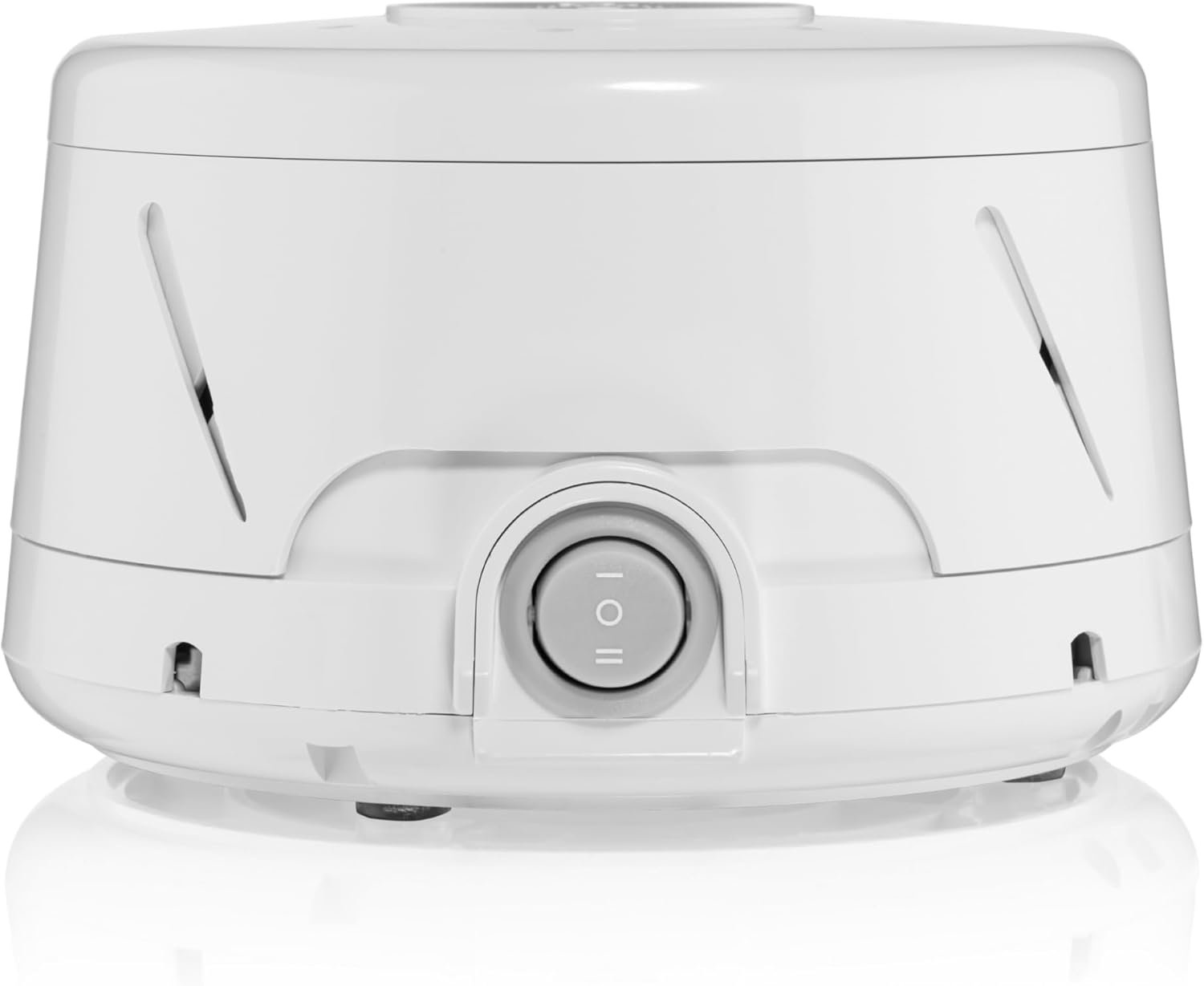 | White noise machine | Noise-sensitive sleepers and overstimulated brains | Real fan-based, non-looping sound | | |
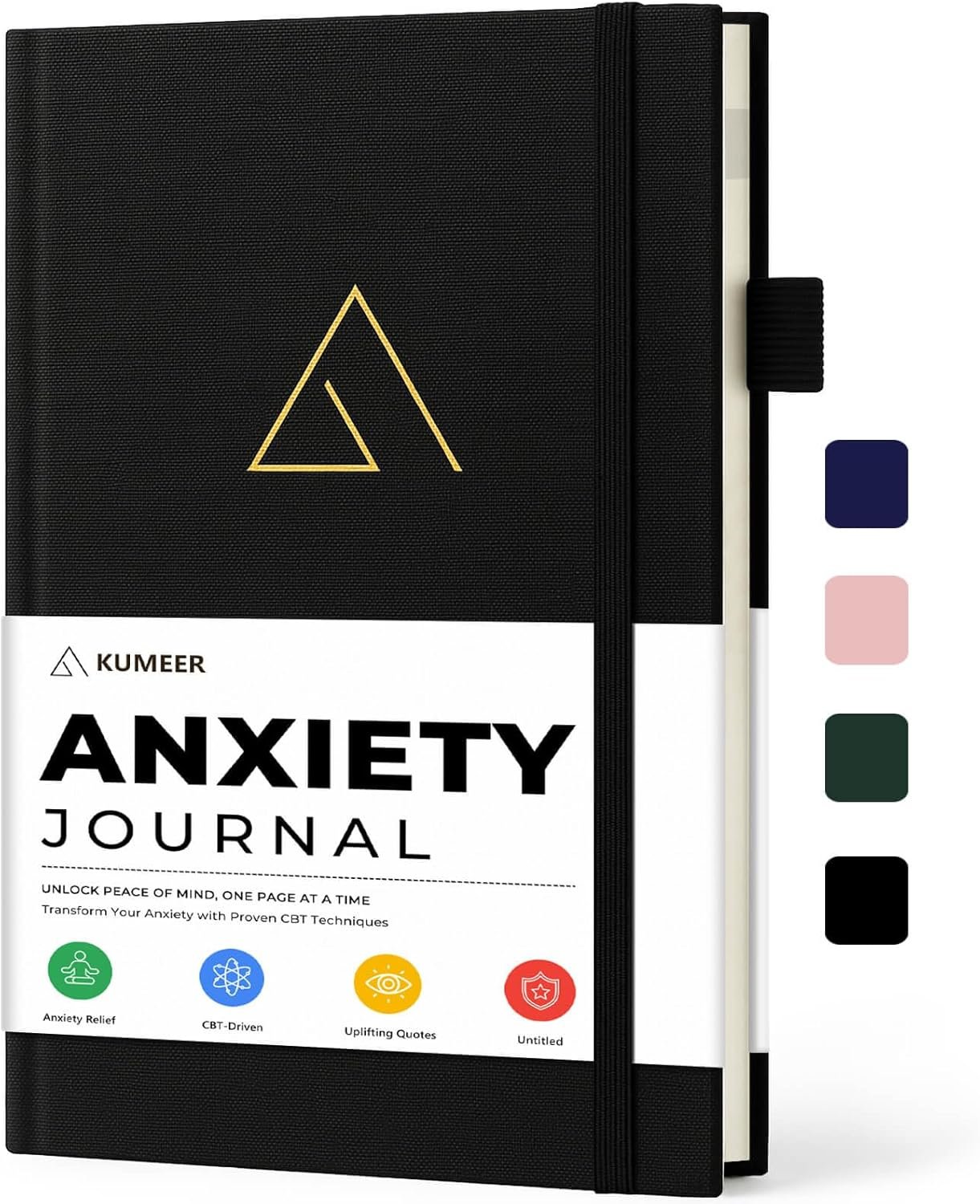 | Guided CBT notebook | Thought spirals and overthinking | Therapist-made CBT structure | | |
 | Fidget tool | Restless hands and anxious energy | Twistable tactile motion, easy to use | | |
 | Textured sensory stickers | Quiet, discreet grounding at work or school | Reusable, low-profile, always-there tactile cue | |
Is ADHD overthinking different from anxiety overthinking?
Often, yes.
ADHD-related overthinking often feels chaotic, branching, and overloaded. The mind keeps hopping, losing the thread, reopening tabs, and getting stuck because of overwhelm, disorganization, or emotional flooding.
Anxiety-related overthinking tends to be more fear-driven. It often centers on worst-case scenarios, constant worry, physical tension, and trying to prevent bad outcomes. Anxiety is also a common coexisting condition in ADHD, so the two patterns can overlap heavily.
A simple example:
- If your brain says, “I have 12 steps, I do not know where to begin, now I am frozen,” that leans more ADHD/executive overload.
- If your brain says, “What if I ruin this, get judged, and everything goes badly,” that leans more anxiety.
- If both are happening, that is also very common.
When overthinking points more toward ADHD
Overthinking is more suggestive of ADHD when it shows up alongside a broader, long-term pattern like:
- chronic distractibility
- losing things often
- trouble finishing tasks
- poor time management
- procrastination
- difficulty organizing
- acting without thinking
- internal restlessness
- childhood-onset symptoms that continued into adulthood
That history matters. ADHD is not diagnosed from one frustrating habit. CDC and NIMH both emphasize that ADHD diagnosis depends on a persistent pattern of symptoms that interferes with functioning, starts in childhood, and meets formal criteria.
When overthinking may be something else
Overthinking can also come from other issues that can mimic or overlap with ADHD. MedlinePlus says other problems with similar symptoms include anxiety, depression, sleep problems, and certain learning disabilities, and CDC advises clinicians to rule out other possible causes and screen for coexisting conditions.
That is why self-diagnosing from “I overthink everything” can go sideways. The same surface experience can come from very different underlying patterns. If the goal is real help, it is better to ask, “What is driving this?” than to lock onto one label too fast.
What actually helps if ADHD is making you overthink
1) Reduce the number of decisions in front of you
ADHD brains often do better with fewer moving parts. Instead of asking, “What is the perfect plan?” narrow the choice to the next step. This fits with the executive-function challenges described in ADHD guidance from MedlinePlus and NIMH.
Example: do not ask, “How do I fix my whole life?” Ask, “What is the next email, next call, or next five-minute task?” That sounds basic, but it reduces the cognitive pileup that feeds overthinking.
2) Get thoughts out of your head and into a system
If your mind keeps recycling tasks, reminders, and worries, do not force your brain to hold all of it. Put it in one place: a note, planner, whiteboard, or app. Externalizing information is a practical response to ADHD-related organization and working-memory strain.
The goal is not a perfect productivity system. The goal is to stop your brain from using overthinking as a backup storage device.
3) Treat anxiety too, not just attention
If anxiety is part of the picture, attention strategies alone may not be enough. CDC recommends screening for anxiety and depression when evaluating ADHD because coexisting conditions can change both the experience and the treatment plan.
That matters because someone may think, “My ADHD is making me overthink,” when really the hardest part is untreated anxiety sitting on top of ADHD. The better approach is often to assess both.
4) Get properly evaluated instead of guessing from one symptom
There is no single test for ADHD. Diagnosis looks at symptom patterns, history, functional impairment, age of onset, and whether something else better explains the symptoms. CDC, NIMH, and MedlinePlus all emphasize a full evaluation rather than diagnosing from one trait.
If your overthinking comes with lifelong distractibility, disorganization, restlessness, procrastination, and follow-through problems, ADHD is worth discussing with a qualified clinician. If it is mostly fear-based, tense, and focused on catastrophe, anxiety may need just as much attention.
FAQ: Is Overthinking a Sign of ADHD?
Is overthinking an official symptom of ADHD?
No. The formal ADHD criteria summarized by CDC focus on inattention and/or hyperactivity-impulsivity, not overthinking itself.
Can ADHD make you overthink?
Yes. ADHD can contribute to overthinking through executive-function problems, internal restlessness, emotion-regulation difficulties, and common coexisting anxiety. Research also links ADHD symptoms with rumination and excessive mind wandering in adults.
Is overthinking more ADHD or anxiety?
It can be either. ADHD-related overthinking often feels overloaded and disorganized, while anxiety-related overthinking is often more fear-driven and worst-case focused. Many people have both patterns at once.
How do I know if my overthinking is ADHD?
Look at the full pattern, not just the overthinking. ADHD diagnosis depends on a persistent history of inattention and/or hyperactivity-impulsivity symptoms that impair functioning and began in childhood.
Can ADHD and anxiety happen together?
Yes. They commonly coexist, and that can make overthinking much worse. CDC recommends screening for anxiety and depression when evaluating ADHD, and MedlinePlus notes that anxiety and mood disorders are common coexisting conditions.
Other Interesting Articles
- Free Therapy Worksheets at Paul Wellness
- 10 of the Best Anxiety Relief Products
- Best Journal for Overthinkers
- Best Books for Overthinking
About the Author
Paul Wellness
Paul Wellness is a mental-health professional and writer dedicated to helping individuals and couples strengthen relationships through evidence-based insight and emotional growth. Combining therapeutic expertise with practical tools, Paul Wellness empowers readers to create trust, connection, and lasting love.
Final takeaway
If you are wondering whether overthinking is a sign of ADHD, the most accurate answer is: not by itself, but it can absolutely be part of the picture. The key is whether it comes with the broader ADHD pattern of lifelong attention, organization, restlessness, and self-management difficulties, or whether another issue like anxiety better explains what is happening.

